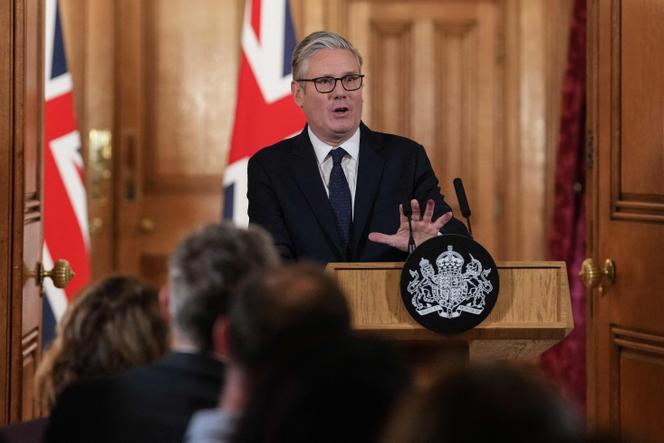
The United Kingdom is set to introduce a nationwide ban on social media use for children under the age of 16, following growing concerns over the impact of online platforms on young people’s mental health, safety, and well-being.
Also read: How to motivate yourself to learn a language
Prime Minister Keir Starmer announced the policy on Monday, describing it as a major step toward creating a safer digital environment for children.
In a video message, Starmer said the government could no longer ignore the risks associated with excessive social media use among young people.
“Social media is making our children unhappy and unsafe, and as a parent, as much as a Prime Minister, I cannot allow that to continue,” he said.
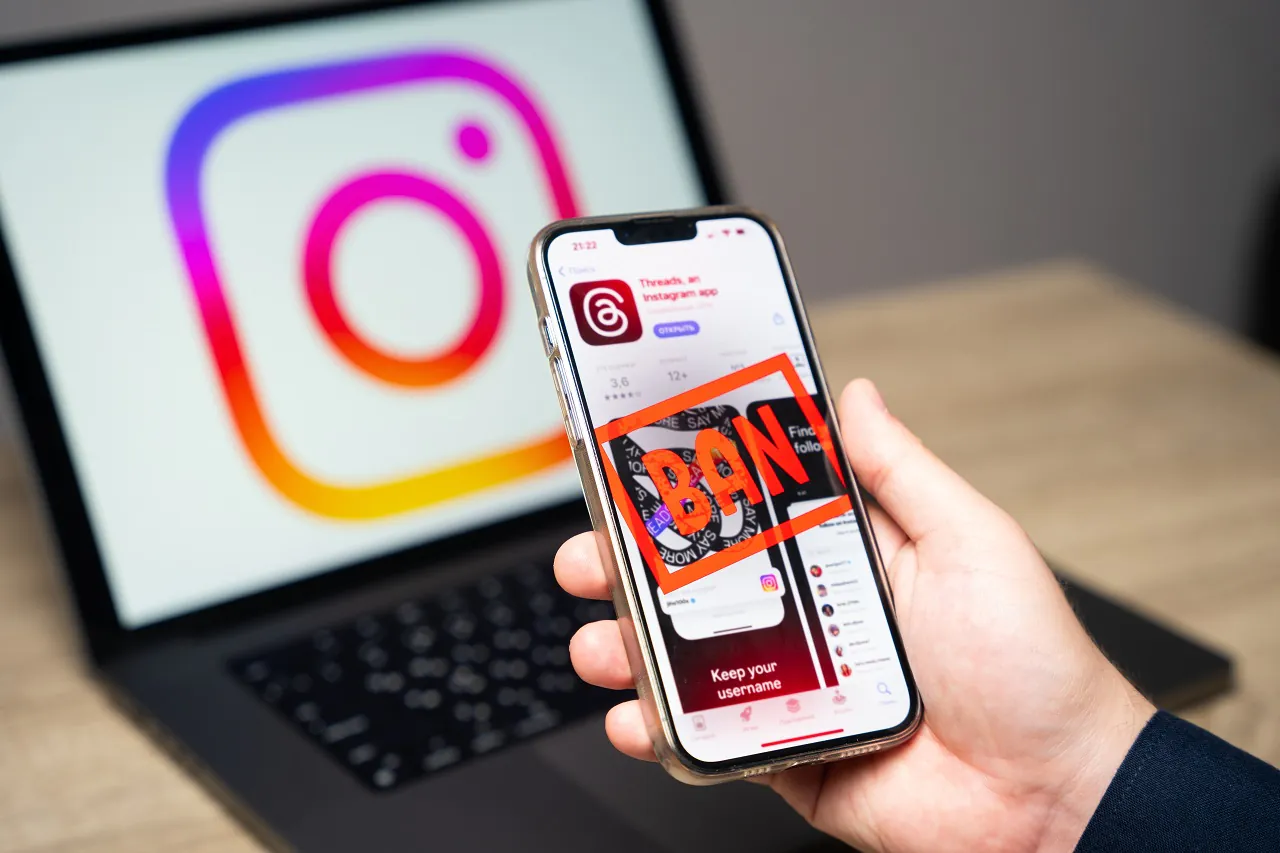
Under the proposed measures, children under 16 will be prohibited from accessing major social media platforms, including TikTok, Instagram, Facebook, Snapchat, YouTube, and X.
However, the government clarified that messaging services such as WhatsApp and Signal will not be affected by the restrictions.
The announcement follows months of discussions within government circles and increasing pressure from child welfare groups calling for stronger safeguards for minors online.
It also comes after a nationwide public consultation conducted between March and May, which attracted more than 116,000 responses from parents, educators, and other stakeholders.
According to the consultation findings, more than 83 per cent of respondents believed that the risks associated with social media outweigh its benefits for children, while 90 per cent supported setting the minimum age for social media access at 16.
The British government described the move as a landmark reform aimed at tackling online harms and protecting young people from exposure to harmful content, cyberbullying, and inappropriate interactions.
In addition to restricting access to social media platforms, the new regulations will also prevent under-16s from using features such as livestreaming and direct communication with strangers online.
Government officials said the legislation would be presented to Parliament before the end of the year, with implementation expected by next spring.
Starmer acknowledged that enforcing the restrictions would be challenging, particularly because many young people often find ways to bypass age-verification systems.
“It is not an easy thing to do. We have carefully studied the evidence and will continue adapting our approach as technology evolves,” he said.
The Prime Minister also noted that the policy could face resistance from major technology companies but insisted that the government remained committed to protecting children.
“We will take on those challenges because the need for action has never been clearer,” he added.
The move follows similar actions in other countries, particularly Australia, which became the first nation to pass legislation banning children under 16 from accessing major social media platforms.
Reactions to the announcement have been mixed.
Child protection organisations welcomed the decision, arguing that stronger online safeguards are necessary to reduce risks facing young users.
The National Society for the Prevention of Cruelty to Children praised the government’s efforts but urged authorities to ensure that technology companies implement robust age-verification measures to make the policy effective.
However, some technology firms expressed concerns about the proposed restrictions.
A spokesperson for YouTube argued that a blanket ban could prevent young people from accessing educational and supervised content available on the platform, potentially driving them toward less regulated and riskier online spaces.
The proposed legislation is expected to spark further debate among policymakers, parents, educators, and technology companies as the UK moves toward one of the strictest child online safety regimes in the world.
3 Comments
Famous Young Artists Today: Who's Shaping Culture Right Now – Teen Trust News
[…] looks different depending on the medium, but the underlying forces are similar everywhere: social platforms that reward originality and consistency, industry outlets actively searching for “the next […]
Young Famous Painters: Contemporary Art – Teen Trust News
[…] young Chinese painter based in the UK who recently completed her MA in painting at the Royal College of Art. Her visceral paintings […]
17 Teen Fashion Trends in 2026: What's Actually In Right Now – Teen Trust News
[…] Social platforms like TikTok and Instagram have largely replaced traditional fashion media as the main source of trend-setting for teens. […]
Leave a Comment