By Lilian Mann
Also read: Earth in Peril: The time to act is now
You know that moment in class when someone says something small and suddenly the whole room feels tense?
Or when your neighbour gets something new, and you feel uneasy for no reason?
That is not bad behaviour. Those are your emotions speaking.
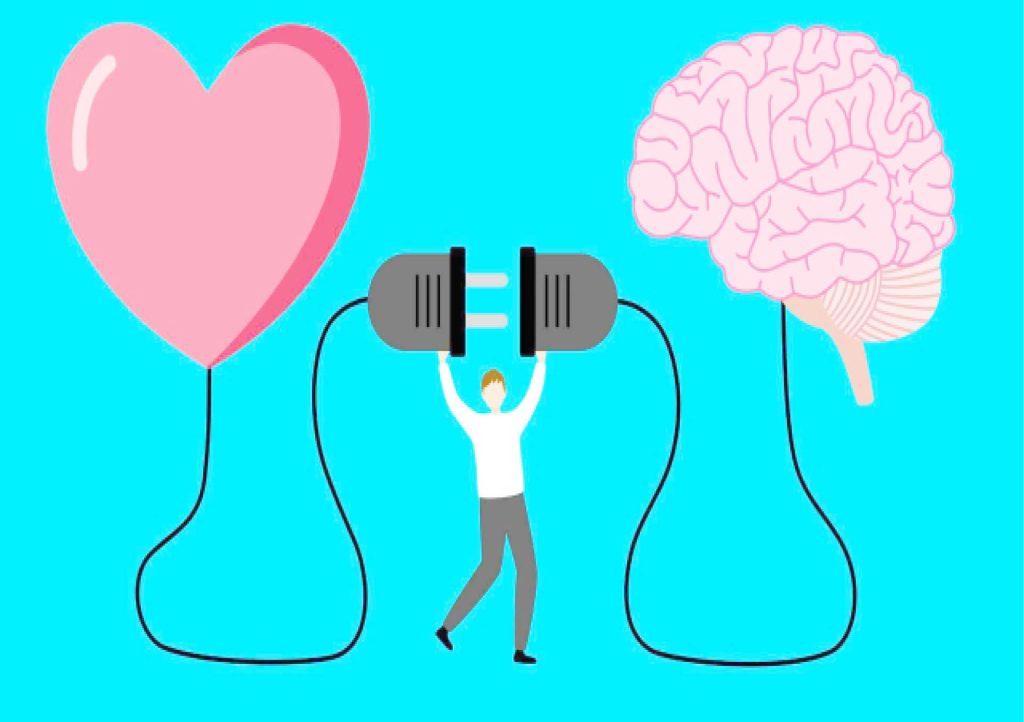
Learning to notice them, understand them, and choose your response is called emotional intelligence, or EQ.
So what is emotional intelligence?
Forget complex definitions. Emotional intelligence is knowing three things:
- What you are feeling is “I am angry”, not just “I am upset for no reason.”
- Why you are feeling it – I am angry because I felt disrespected, not just “I hate that person.
- What you choose to do next – react immediately, pause and think, speak calmly, or walk away.
IQ helps you pass examinations. EQ helps you keep your relationships, your reputation, and your peace of mind.
Why it matters: What happens without EQ?
People lose a great deal when they cannot control their emotions. Here are patterns you have probably seen:
- People lose friendships because they cannot control their anger. One harsh reply in a heated moment, and a three-year friendship ends.
- People ruin opportunities because they cannot manage their jealousy. Instead of learning from someone who is doing well, they speak ill of them and burn bridges.
- Students lose marks and respect because they react before thinking. One outburst in class gets you sent out, and now you have missed the lesson.
- Families drift apart because small annoyances turn into shouting matches. No one pauses to say, I am hurt, not angry.
- People damage their own reputation online because they post in anger. A ten-second post you cannot delete follows you for years.
None of these happened because the people were “bad”; they happened because emotions got ahead of judgement.
The story: The broken pen and the whole period ruined
It is Tuesday, SS2B.
Aisha is rushing to submit her chemistry practical. She reaches for her pen, but it is gone.
She turns to Kemi: Where is my pen? You took it yesterday!
Kemi rolls her eyes. “I did not take your pen. Check your bag.
Aisha snaps back, ‘You are always acting innocent.’ You always do this!”
Now the whole class is watching. Miss Amaka calls them out. Both lose marks for disturbance.
After class, Aisha finds her pen in her other bag. She feels embarrassed.
Kemi says, You always assume the worst.
What EQ would have looked like:
Aisha: “I am stressed because I cannot find my pen. Have you seen it?
Kemi: I am annoyed you assumed it was me, but let me help you check.
Ten seconds. Problem solved. Peace was kept.
Your challenge: The name it to tame it method
For five days this week, when you feel angry, jealous, or embarrassed, stop for ten seconds and ask yourself:
- I am feeling _.
- I am feeling this because —3. What is the wisest thing I can do right now?
That pause is where emotional intelligence lives. It is the space between what happens to you and how you respond.
Bottom line
You cannot control everything that happens in class, at home, or online.
But you can control what happens in the ten seconds after it happens.
That is emotional intelligence. And it starts now.
Quiz: Test your EQ
- What does EQ help you avoid?
- Feeling any emotion
- Acting inappropriately when emotions run high
- Having friends
- A friend does better than you in a test. What is the high-EQ response?
- Ignore them and act bitter.
- Ask how they studied so you can improve.
- Spread rumours about them
- Pause, Reflect, Respond” means:
- Ignore your feelings completely.
- Take a moment before reacting so you choose wisely.
- Always agree to avoid conflict.
Leave a Comment