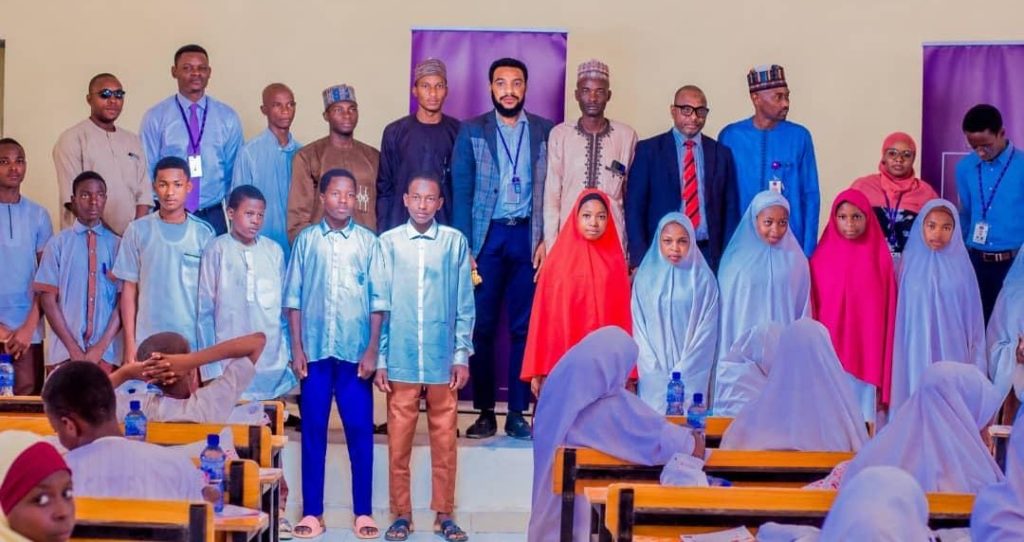
Polaris Bank has reinforced its commitment to youth empowerment and financial inclusion by providing financial literacy training to students and teachers in Katsina State as part of activities marking the 2026 Global Money Week (GMW).

Also read: How to become Social Media Influencer and make money from it
The initiative, held at Community Day Secondary School, Tsaski Yan’albasa in Charanchi Local Government Area, impacted 90 students and 10 teachers with practical lessons on savings, budgeting, responsible spending, financial planning, and informed decision-making.
The programme forms part of Polaris Bank’s ongoing efforts to equip young Nigerians with essential financial knowledge while supporting the Central Bank of Nigeria’s financial inclusion agenda. Through its participation in Global Money Week, the bank continues to promote economic awareness, entrepreneurship, and responsible money management among young people.
Speaking on the importance of the initiative, Managing Director and Chief Executive Officer of Polaris Bank, Mr. Kayode Lawal, described financial literacy as a critical foundation for building a responsible and economically empowered generation.
According to him, helping young people understand the principles of saving, budgeting, and financial discipline at an early stage prepares them to make sound financial decisions and contribute positively to the economy.
He noted that the bank’s commitment goes beyond teaching students how to save money, stressing that the programme is designed to help young people appreciate the connection between financial responsibility, planning, discipline, and long-term success.
The training featured several interactive sessions led by financial experts who introduced students to key concepts such as the importance of a savings culture, the role of the Central Bank of Nigeria in the financial system, goal setting, smart spending habits, and financial discipline.
Participants also received guidance on banking fundamentals, managing peer pressure, and making independent financial decisions. Discussions highlighted how banks support individuals in safeguarding and growing their finances while encouraging students to develop healthy financial habits.
Representing the Managing Director at the event, Group Head of Kano Group, Polaris Bank, Mr. Dahiru Tukur, engaged students in a “Smart Money Talk” session, where he emphasised the importance of making responsible financial choices from a young age.
He encouraged the students to view financial literacy as a life skill that would shape their future opportunities and help them become financially independent adults.
As part of the practical learning experience, students were introduced to the Polaris Young Achievers Account, a product designed to encourage savings among young people. The session also provided information on account-opening procedures and the benefits of cultivating a savings habit early in life.
The programme concluded with an interactive question-and-answer session, during which students demonstrated strong interest in financial management topics. Participants were also presented with branded gift items to reinforce the lessons learned.
Principal of Community Day Secondary School, Mr. Samaila Umar Sanda, commended Polaris Bank for bringing the initiative to the school, describing it as a valuable opportunity for students to connect classroom learning with real-world financial decisions.
He noted that the programme would help nurture a generation of financially responsible young people who understand the importance of planning, discipline, and prudent money management.
Polaris Bank said the initiative reflects its broader commitment to education, youth development, financial inclusion, and sustainable community impact. The bank added that such programmes align with its support for the United Nations Environment Programme Finance Initiative (UNEP-FI) Principles for Responsible Banking, particularly in promoting financial health and inclusion across communities.
Through initiatives like Global Money Week, Polaris Bank continues to champion efforts aimed at equipping young Nigerians with the knowledge and skills needed to make informed financial decisions and participate actively in the formal economy.
1 Comment
Access Bank, Partners Expand Education for Vulnerable Children – Teen Trust News
[…] speaking, the Chief Executive Officer of The Access Bank UK, Jamie Simmonds, described the event as “polo with purpose,” […]
Leave a Comment