By Habeebat Ajayi
Writers and literary practitioners have called for greater investment in creative spaces for young people, saying literature can encourage critical thinking, promote self-expression and deepen understanding of the social factors that contribute to crime.
Also read: NGO Partners Lagos, Others to Promote Public School Talent Through Inter-School Championship
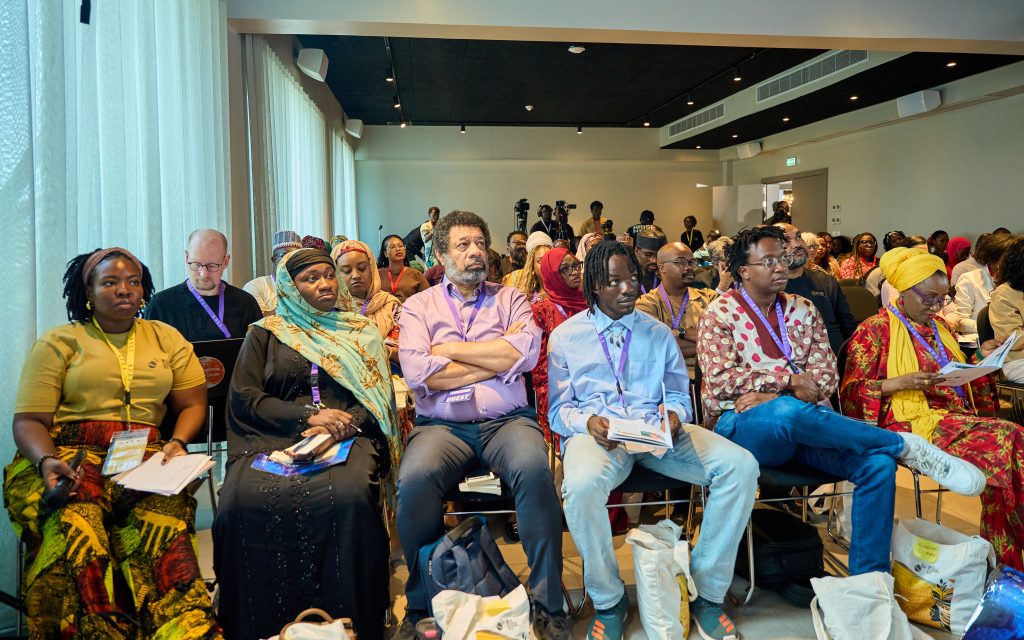
The call was made at the inaugural sports-festival/">Abuja Festival of Literature and Ideas (AFLI), held on October 9 and 10, 2026, where writers, poets and other cultural practitioners explored the power of storytelling through poetry performances, prose readings, book conversations and panel discussions.
The discussions highlighted how literary works could help audiences look beyond police reports, arrest figures and headlines to understand the circumstances surrounding crime and its consequences for victims, offenders and communities.
Aisha Adejumo, an independent writer, said literature provided context to incidents that might otherwise be reduced to brief news reports.
She noted that constant exposure to reports of killings, arrests and violent incidents through news platforms and social media could leave audiences emotionally exhausted and less responsive to victims’ experiences.
“Literature contextualises events,” Adejumo said, explaining that stories offer perspectives conventional news reports may miss.
According to her, literary accounts can help readers understand what breeds crime, its consequences and how individuals and communities can interrupt the cycle.
She said placing victims at the centre of stories could encourage empathy and a deeper understanding of the human cost of crime.
Adejumo also described creative spaces as potential alternatives to negative influences, particularly for young people navigating social pressures.
She said reading, writing and participation in literary activities could expose young people to different perspectives, encourage critical thinking and provide a sense of belonging.
Publisher Usman Aliyu said literature could influence young people’s attitudes and decisions because it reflects the realities of society in an engaging and accessible way.
He said writers were increasingly exploring issues such as cybercrime, drug abuse and cultism because these subjects reflected challenges confronting communities.
Aliyu cited young poets and writers who use creative expression to address social issues, noting that their work could communicate important messages while engaging audiences through storytelling.
However, he identified visibility and guidance as major needs for emerging writers, urging stakeholders to provide platforms through which young talents could develop their skills and reach wider audiences.
The festival’s programme provided several opportunities for audiences to engage with literature and ideas. Poetry performances by Deborah Johnson, known as the Global Poet, explored African identity, inherited disadvantage and the possibilities of a better future for younger generations. Nkereuwem Albert also read from his prose work, bringing written storytelling directly to the audience.
Other activities included book conversations, literary panels and Youth Speak: What Does the Future Look Like for Northern Nigerian Youth?, a session that gave young people a platform to discuss their aspirations and the future they want.
A session titled Improbable Dialogues: How Divided Societies Learn to Speak Again also explored how dialogue could help divided communities rebuild understanding and trust.
The festival director, Lola Shoneyin, said Abuja deserved a world-class literary festival because culture should occupy a central place in national life rather than remain at the margins.
At the welcome event, Sweden’s Ambassador to Nigeria, Anna Westerholm, said stories could challenge established assumptions and encourage people to consider different perspectives.
“Through stories we question what we know,” she said.
While literature alone cannot eliminate crime, the discussions highlighted its potential to complement broader efforts to engage young people, promote constructive expression and deepen public understanding of insecurity.
The participants called for sustained support for reading culture, writing workshops and accessible creative platforms to help young people develop their talents and engage critically with the challenges facing their society.
Leave a Comment