Ibitokun Toluwani, Lagooz Schools
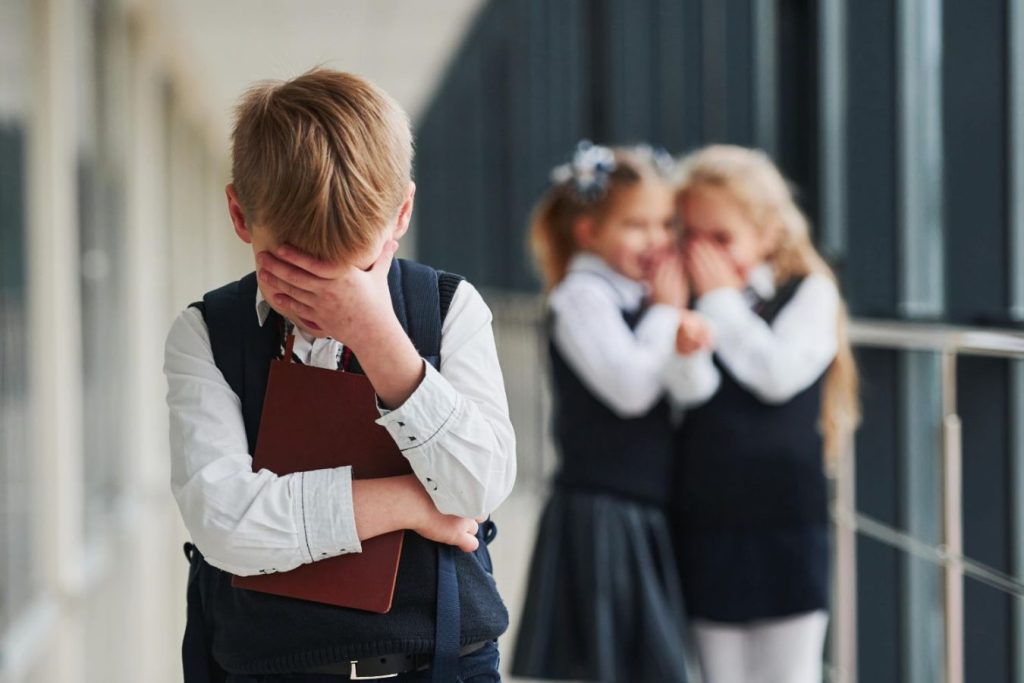
For many students, leaving school does not always mean leaving bullying behind. Hurtful comments, embarrassing pictures and threatening messages can follow them home through their phones and social media accounts.
Also read: The truth about teachers
Unlike traditional bullying, which often happens in classrooms, corridors and playgrounds, cyberbullying takes place online. It can happen at any time, even when students are relaxing at home or spending time with their families.
This is why cyberbullying has become a growing concern among young people.
What is cyberbullying?
Cyberbullying is when someone uses the internet or digital devices to threaten, embarrass, insult or deliberately hurt another person. It can happen on WhatsApp, Instagram, TikTok, Facebook and other online platforms. Some common examples include spreading false stories about someone, sharing their embarrassing pictures without permission, creating fake accounts to make fun of them, sending threatening messages and leaving cruel comments on their posts. Sometimes, people also leave someone out of online groups on purpose to make them feel unwanted.
What makes cyberbullying particularly harmful is that it can continue long after school closes. A hurtful post can be shared by many people, making it difficult for the person affected to escape the embarrassment.
How does cyberbullying affect students?
Being bullied online can affect how a student feels about themselves and others. Some victims may become anxious, lonely, embarrassed or lose confidence.
Others may stop enjoying activities they once loved, avoid their friends or struggle to concentrate on their schoolwork.
Imagine discovering that an embarrassing photograph of you has been shared in a class group chat. Even after leaving school, you may worry about who has seen it and what others are saying about you.
This shows that cyberbullying is not just harmless fun or an ordinary disagreement. Words and actions online can cause real emotional pain.
Why do some students bully others online?
There are different reasons why people engage in cyberbullying. Some do it to impress their friends, gain attention, get revenge or make themselves feel powerful. Others join in because their friends are doing it. They may laugh at cruel comments, share embarrassing pictures or add their own insults without thinking about how the person being targeted feels. Some people also believe they can get away with bad behaviour because they are hiding behind a screen or using a fake account. However, being online does not mean you can treat people badly without consequences. Something you consider a joke may be deeply hurtful to someone else.
What can schools do?
Schools have an important role to play in preventing cyberbullying because its effects often follow students into the classroom.
They can help by:
Teaching digital responsibility: Students should learn how to behave respectfully online, protect their privacy and understand the dangers of cyberbullying.
Providing safe ways to report bullying: Students should be able to report incidents to teachers or school counsellors without being embarrassed or threatened.
Having clear anti-bullying rules: Schools should make it clear that bullying, including online harassment involving members of the school community, will not be accepted.
Organising awareness programmes: School debates, assemblies and discussions can help students understand the effects of cyberbullying.
Supporting affected students: Students who experience cyberbullying should be able to speak to trusted teachers and counsellors who can help them. Parents and guardians also need to talk to children about their online activities and encourage them to report anything that makes them feel unsafe.
What should you do if you experience cyberbullying?
If someone is bullying you online, remember that you do not have to handle it alone. Instead of responding with insults or threats, take screenshots of the messages, posts or comments as evidence. Keep the usernames and dates where possible. You can then block and report the account. Most importantly, tell a trusted adult, such as a parent, guardian, teacher or school counsellor. Do not allow fear or embarrassment to stop you from asking for help. If you witness someone being bullied online, do not join in or share the hurtful content. Instead, show support for the person affected and report the incident to someone who can help.
Think before you post
The internet is a great place to learn, make friends, share ideas and show your talents. But enjoying these benefits also means treating others with respect.
Before posting a comment, sharing a picture or forwarding a message, think about how it might affect another person.
Remember that there is a real human being behind every profile picture. A message that takes only a few seconds to type can hurt someone for a long time.
The school bell may signal the end of lessons, but kindness and respect should continue wherever we go, including online.
Leave a Comment