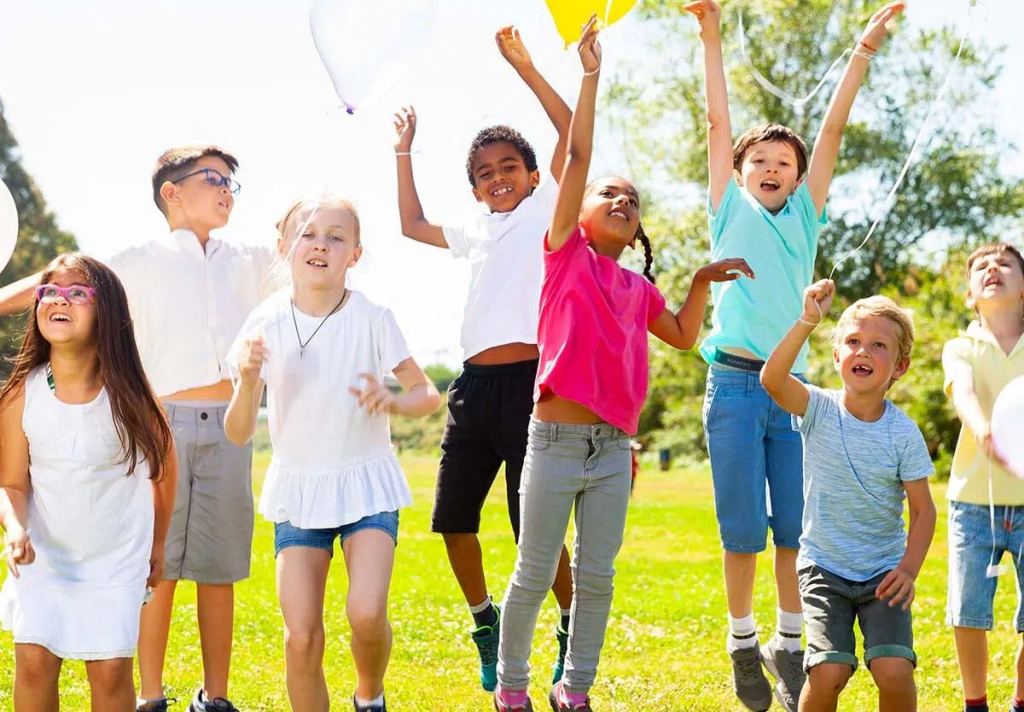
Children are the heartbeat of every society. They carry dreams, shape communities, and become the voices of future generations. Across different countries and cultures, Children’s Day is observed as a special occasion dedicated to celebrating children while reminding society of its responsibility to protect their rights, nurture their talents, and create opportunities for them to thrive.
Also read: How to prepare efo riro
While the date of celebration may differ from one country to another, the message remains universal: every child deserves care, education, safety, love, and the chance to reach their fullest potential.
What is Children’s Day?
Children’s Day is a commemorative occasion set aside to honor children and promote awareness about their welfare, rights, education, and development.
The celebration often includes activities designed to make children feel seen, appreciated, and inspired. Schools, communities, organizations, and families organize events ranging from educational programs and cultural performances to recreational activities and charitable outreach.
The day also serves as a reminder that investing in children means investing in a better future.
Why Is Children’s Day Celebrated?
Many people ask, why is Children’s Day celebrated?
Children’s Day is celebrated to recognize the importance of children in society and to encourage actions that support their well-being. It highlights issues affecting children, including access to quality education, healthcare, protection from abuse, equal opportunities, and emotional development.
The celebration promotes several important goals:
- Encouraging children to dream and develop confidence.
- Creating awareness about children’s rights.
- Strengthening family and community support systems.
- Celebrating children’s uniqueness and achievements.
- Inspiring governments and institutions to prioritize child welfare.
Beyond gifts and festivities, the day encourages meaningful conversations about creating a world where every child feels valued.
7 Ways to Celebrate National Children’s Day
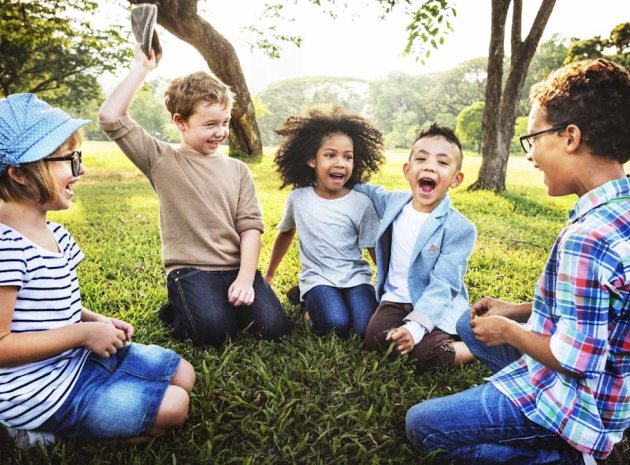
National Children’s Day is more than a date on the calendar. It is a reminder that children deserve moments of joy, encouragement, discovery, and celebration. Childhood is one of the most important stages of life because it shapes confidence, values, dreams, and identity. The experiences children have today often become the memories and lessons they carry into adulthood.
For this reason, celebrating Children’s Day should go beyond decorations and entertainment. It should create opportunities for children to feel valued, develop their talents, strengthen relationships, and discover new possibilities.
The good thing is that meaningful celebrations do not require extravagant spending or complex planning. Small and intentional activities often leave the strongest impressions. Whether organized by families, schools, churches, foundations, or communities, National Children’s Day can become an unforgettable experience when designed around the interests and growth of children.
1. Organize a Talent Showcase

Every child possesses something unique. Some children are naturally expressive and enjoy standing in front of an audience, while others communicate through art, creativity, problem-solving, or storytelling. A talent showcase creates an environment where children are given the freedom to reveal abilities that may not always appear inside a classroom.
A Children’s Day talent showcase can include singing performances, spoken word, dance presentations, storytelling sessions, painting displays, instrumental performances, drama acts, or public speaking opportunities. The purpose should not be to identify who is best but to celebrate individuality and effort.
When children stand before an audience and receive applause and encouragement, something important happens internally. They begin to trust their abilities. They realize that their ideas and skills matter. That confidence often extends into school performance, friendships, and future aspirations.
Parents and teachers can make this experience even more meaningful by acknowledging every participant. Instead of focusing only on winners, recognize qualities such as originality, courage, creativity, determination, and effort.
A talent showcase transforms Children’s Day into a platform where children feel seen and appreciated.
2. Host a Fun Learning Day
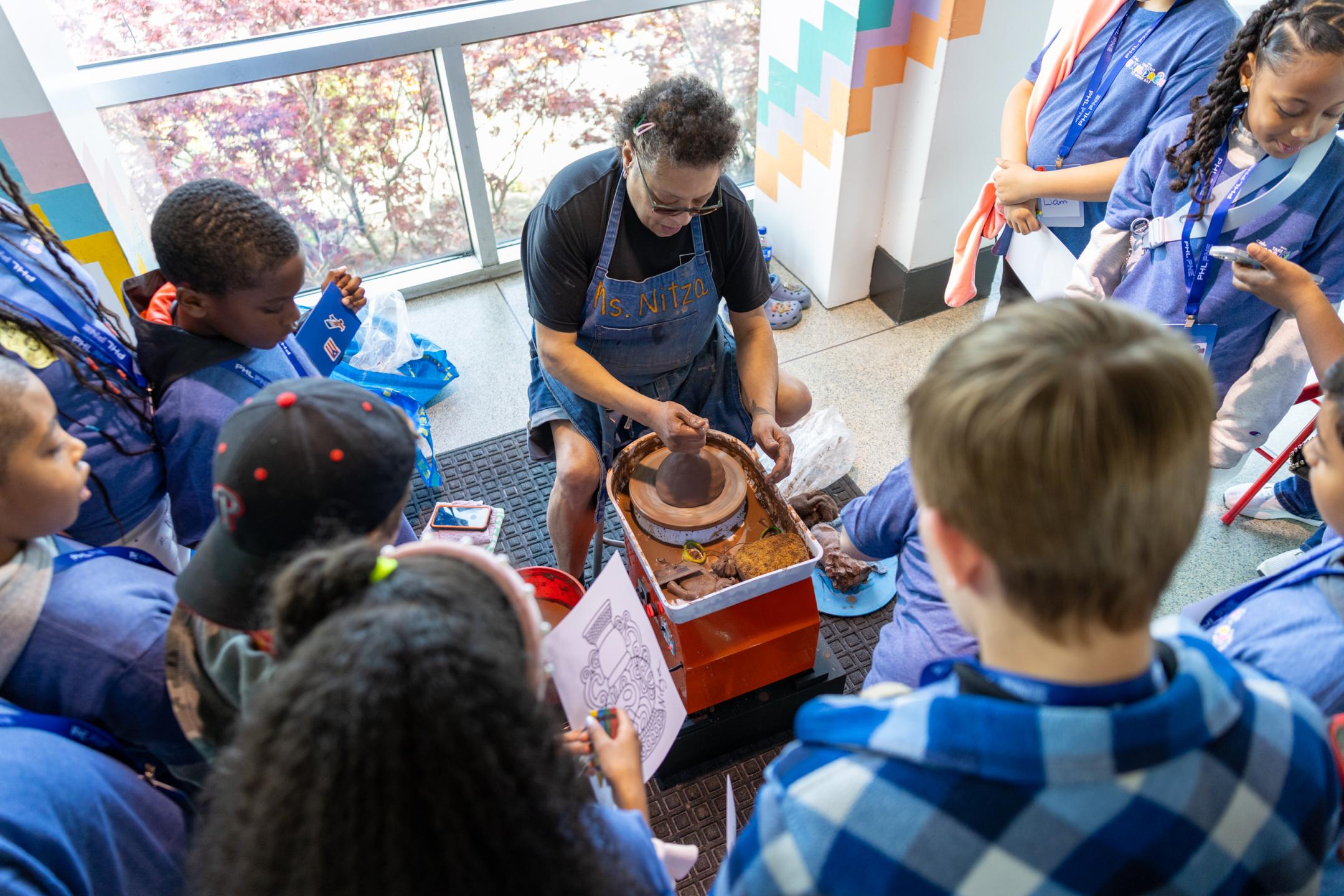
Learning becomes powerful when children enjoy the process.
Children’s Day presents a wonderful opportunity to remove the traditional pressure often associated with education and replace it with curiosity, interaction, and excitement. Instead of regular classroom routines, schools and communities can create experiences that encourage exploration.
A fun learning day may include science experiments that allow children to observe reactions and discover how things work. Reading circles can encourage imagination and discussion. Creative writing sessions can invite children to express thoughts through stories, poems, or letters to their future selves.
Interactive quizzes and educational games also make learning enjoyable because children participate actively instead of simply listening.
Another engaging approach is creating themed learning corners. One section may focus on science, another on geography, another on innovation, and another on art. Children move from one station to another and explore different subjects.
This kind of celebration teaches children that education is not only about examinations. It becomes an experience of discovery and excitement.
When children associate learning with positive emotions, they often become more motivated to continue learning beyond Children’s Day.
3. Plan an Outdoor Adventure
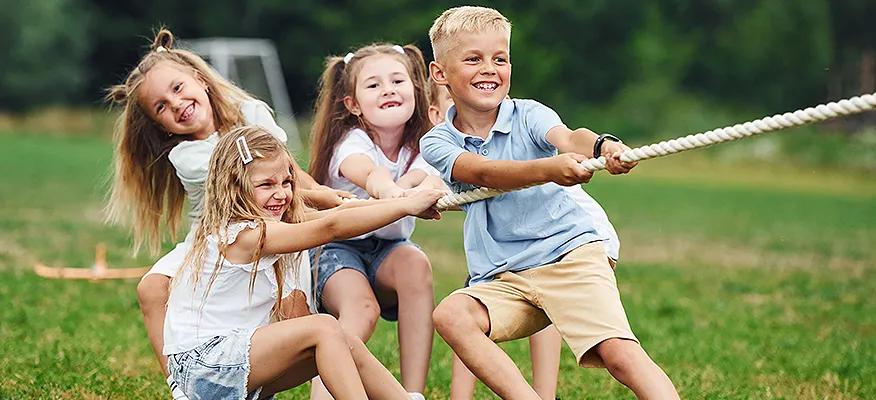
Modern childhood has changed significantly. Many children now spend more time indoors than previous generations. Screens, digital entertainment, and structured schedules sometimes reduce opportunities for outdoor exploration.
National Children’s Day offers the perfect moment to reconnect children with active experiences.
Outdoor adventures do not need expensive locations or complicated arrangements. A local park, school field, community center, or open recreational space can become a place filled with excitement.
Children enjoy movement because it allows them to release energy and engage naturally with others. Activities such as nature walks encourage observation and environmental awareness. Sports competitions develop teamwork and healthy competition. Relay games create excitement while promoting cooperation.
Simple picnic gatherings can also become memorable. Sharing food, telling stories, and playing group games outdoors often creates a relaxed environment where children build stronger social connections.
Outdoor experiences support physical wellness while helping children develop communication skills, confidence, and emotional balance.
More importantly, they remind children that joy can be found beyond screens and devices.
4. Give Recognition Awards
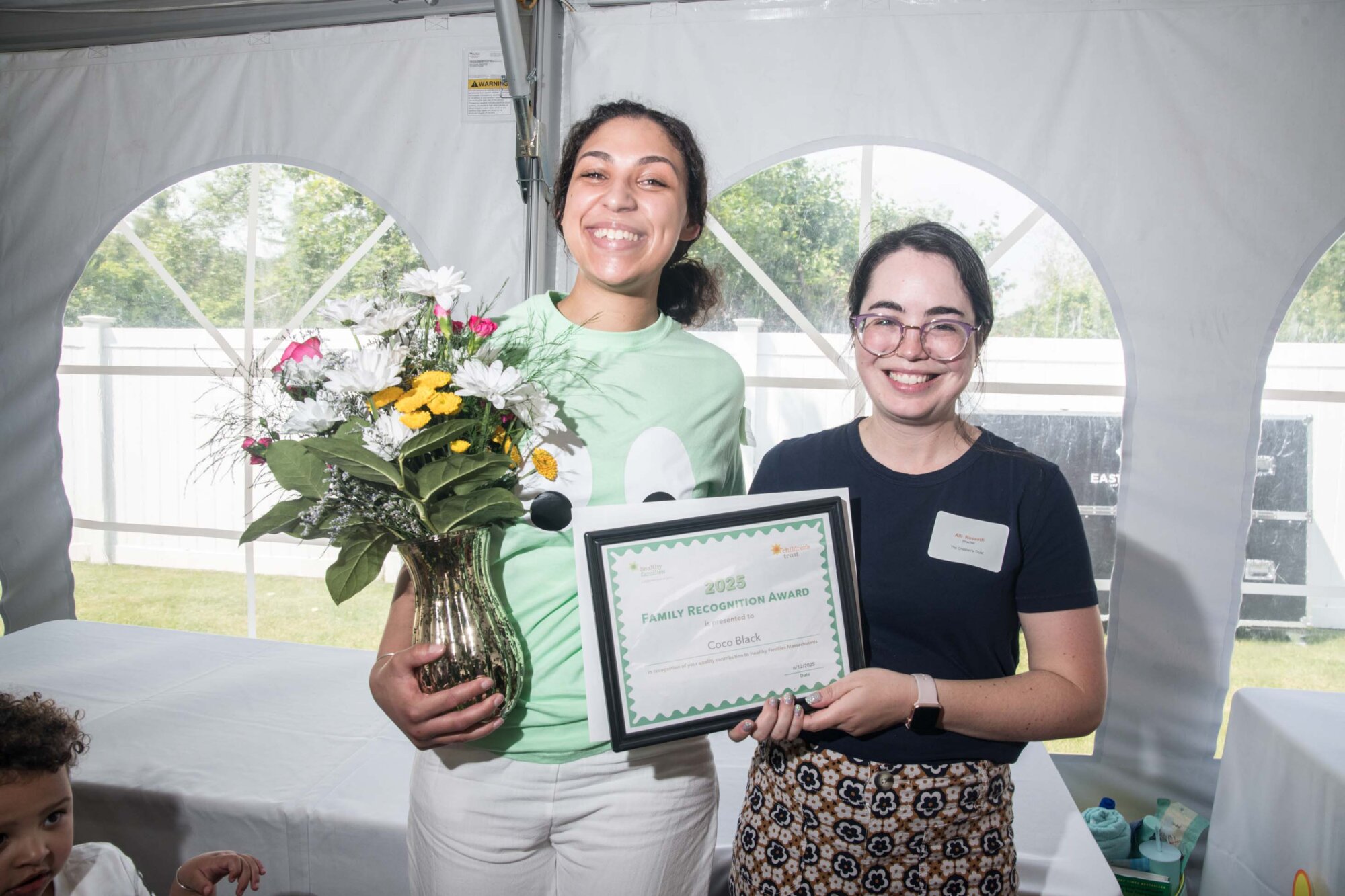
One of the most powerful gifts adults can offer children is recognition.
Children constantly seek signs that their efforts matter. Recognition does not always mean rewarding perfection or academic excellence. Sometimes children simply need someone to notice their growth, persistence, and character.
National Children’s Day is an excellent opportunity to celebrate qualities that may not usually receive attention.
Recognition can focus on kindness, leadership, creativity, resilience, teamwork, helpfulness, consistency, courage, and improvement.
For example, one child may not have the highest grades but may consistently support classmates. Another child may have overcome challenges quietly and shown remarkable determination.
When these qualities are acknowledged publicly, children begin to understand that success has many forms.
Recognition can take different forms. Certificates, appreciation notes, books, small gifts, or verbal acknowledgment can create powerful emotional impact.
The goal should not be competition but affirmation.
Children who feel recognized often become more confident and willing to contribute positively in future environments.
5. Encourage Community Service

Children’s Day is also an opportunity to teach children that celebration and responsibility can exist together.
Community service introduces children to values that extend beyond personal enjoyment. It teaches empathy, kindness, gratitude, and social awareness.
Children can participate in simple age-appropriate service activities. They may organize donation drives, participate in environmental cleanup exercises, visit care homes, prepare appreciation messages for essential workers, or support community beautification projects.
These activities allow children to understand that their actions can make a difference.
Community service also develops leadership and emotional intelligence. Children begin to appreciate different life experiences and understand the importance of contributing positively to society.
Parents and teachers should encourage reflection after these activities by discussing lessons learned and how small actions can create meaningful change.
Children who grow up understanding service often become adults who care about people and communities.
6. Create a Dream Wall

Children naturally dream without limitations.
Some imagine becoming doctors, artists, pilots, engineers, athletes, teachers, inventors, or leaders. Others dream about changing the world in ways adults may not even imagine.
A Dream Wall gives children permission to express these ambitions publicly.
Create a space where children can write, draw, or display their dreams. Allow them to answer simple questions such as: What do you want to become? What would you like to invent? What change would you like to make in the world?
The responses often reveal incredible imagination and hope.
This activity becomes even more meaningful when adults engage with children’s dreams instead of dismissing them.
Teachers and parents can discuss practical steps, encourage exploration, and show children that goals are achievable through effort and growth.
Displaying dreams publicly also inspires children to believe in possibilities.
Years later, many children remember moments when someone took their dreams seriously.
7. Hold a Family Celebration

While schools and communities often organize Children’s Day events, family remains one of the most meaningful spaces for celebration.
Children value experiences of connection more than expensive gifts.
Family celebrations provide opportunities to create emotional memories and strengthen relationships.
Families can spend the day playing games, preparing meals together, sharing stories, watching inspiring movies, or simply having conversations without distractions.
Parents may create appreciation sessions where every family member shares encouraging words about one another.
Storytelling can also become meaningful when parents talk about their childhood experiences and lessons learned.
Another beautiful idea is creating memory journals where children record what they enjoyed about the day and their hopes for the future.
Children who experience intentional family moments often develop stronger emotional security and healthier communication patterns.
Children’s Day becomes more powerful when the celebration begins at home.
10 School or Community Activities to Celebrate World Children’s Day
World Children’s Day presents an opportunity for schools and communities to create experiences that go beyond celebration and contribute meaningfully to children’s growth. While gifts and entertainment can make children happy, activities that encourage learning, creativity, leadership, and social interaction often leave a deeper impact.
Schools and communities play an important role in shaping children’s values, interests, confidence, and sense of belonging. Children spend a significant part of their lives within these environments, making them ideal spaces to create memories that inspire and empower.
The goal of World Children’s Day should not simply be to organize events but to create moments where children feel heard, celebrated, and encouraged to dream bigger.
Below are ten engaging school and community activities that can make World Children’s Day memorable and meaningful.
1. Educational Debates and Speech Competitions

Educational debates and speech competitions are powerful activities that encourage children to think critically and communicate effectively.
Children often have ideas, opinions, and perspectives that deserve expression. Creating a platform where they can speak confidently helps develop skills that benefit them throughout life.
Schools can organize age-appropriate debate topics that encourage children to discuss issues related to education, leadership, kindness, technology, environmental awareness, or future ambitions.
Speech competitions may include inspirational talks, storytelling presentations, public speaking challenges, or prepared speeches around Children’s Day themes.
These activities teach children how to organize thoughts, express ideas respectfully, and speak confidently before an audience.
Beyond communication skills, debates help children learn listening, reasoning, and confidence-building.
Children who participate often discover strengths they did not realize they possessed.
2. Cultural Dress and Heritage Exhibitions

Children’s Day is an excellent opportunity to expose children to the beauty of cultural identity and diversity.
A traditional dress and heritage exhibition allows children to showcase traditions, attire, languages, food, music, and customs from different backgrounds.
Children can attend school wearing traditional clothing that represents their cultural heritage. Schools may also create exhibition corners displaying cultural artifacts, maps, traditional instruments, and local crafts.
Storytelling sessions can introduce children to historical figures and cultural values.
This activity encourages children to appreciate differences while developing pride in their own identity.
It also promotes inclusion and mutual respect by helping children understand that every culture contributes something valuable to society.
Children who learn cultural appreciation at an early age are more likely to grow into respectful and open-minded adults.
3. Art and Craft Exhibitions
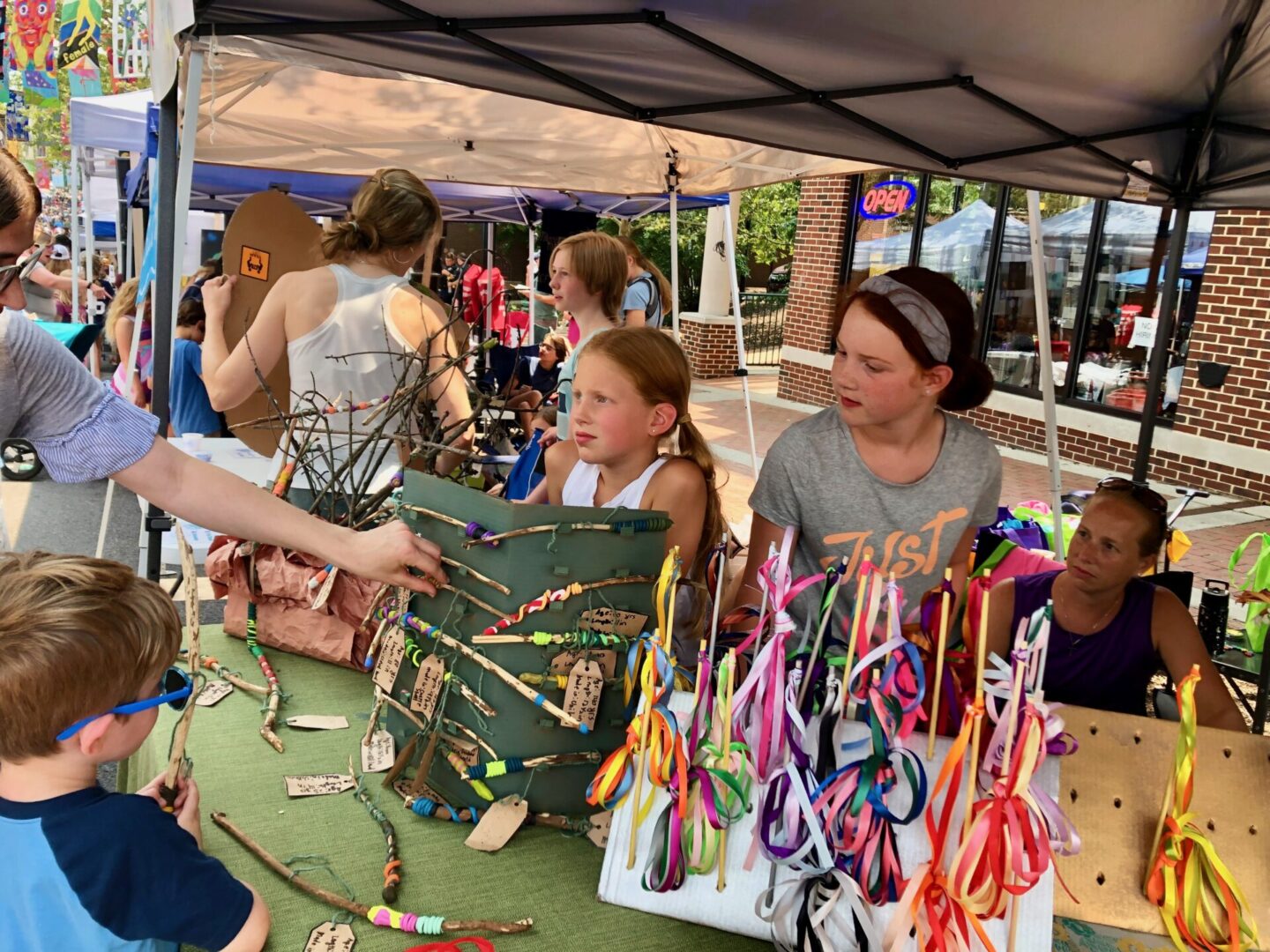
Art gives children freedom to communicate thoughts and emotions in ways that words sometimes cannot.
An art and craft exhibition creates space for imagination, creativity, and self-expression.
Children can create paintings, paper crafts, drawings, sculptures, handmade decorations, recycled art projects, and visual storytelling pieces.
Schools may select a theme such as:
“Dream Big”
“My Future”
“The World I Want”
“Kindness Changes Everything”
Displaying children’s artwork publicly gives them a sense of achievement and confidence.
Art activities also improve concentration, creativity, observation skills, and emotional expression.
Community members and parents can visit the exhibition to celebrate the children’s efforts and encourage continued creativity.
Children often gain confidence when they see their work appreciated by others.
4. Sports Tournaments and Relay Games
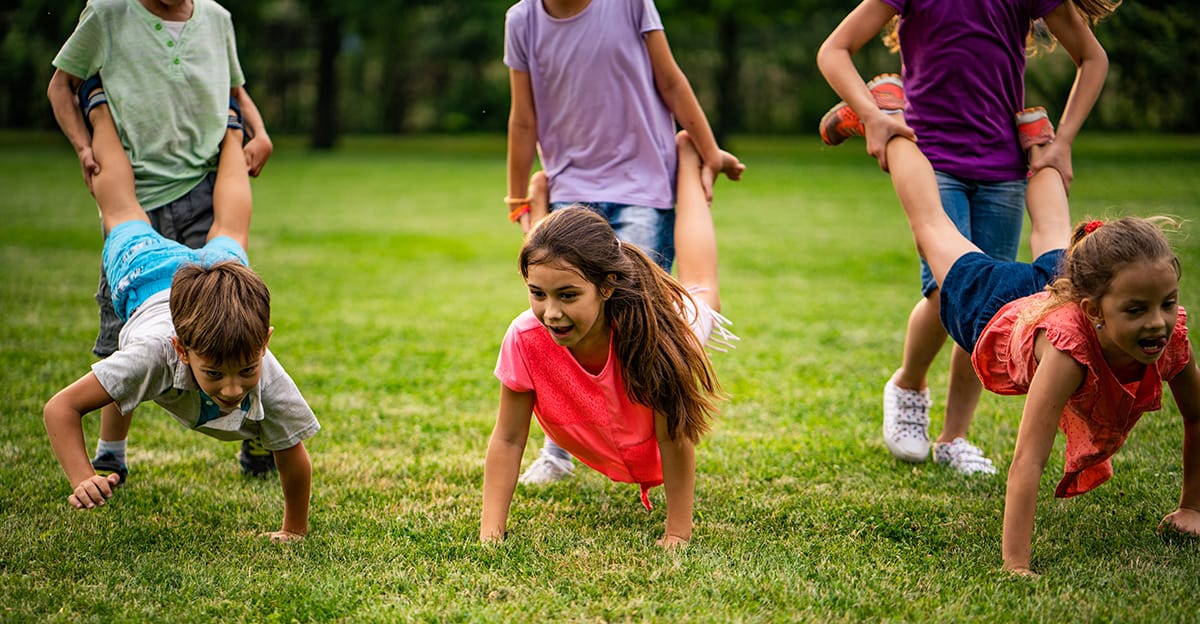
Physical activities remain one of the most exciting parts of Children’s Day celebrations.
Sports tournaments and relay games bring children together through movement, teamwork, and healthy competition.
Activities may include football matches, relay races, sack races, obstacle courses, volleyball, skipping competitions, and fun fitness challenges.
Unlike traditional competitive sports environments, Children’s Day sporting activities should emphasize participation and enjoyment.
Sports teach children valuable life lessons.
Children learn discipline, perseverance, cooperation, and resilience. They also discover how to handle both success and disappointment positively.
Physical activity contributes to healthier lifestyles while strengthening friendships and social interaction.
The atmosphere of cheering, encouragement, and celebration often creates unforgettable memories.
5. Career Inspiration Sessions
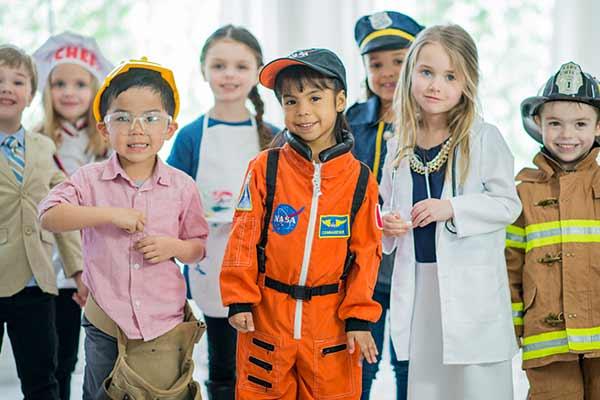
Children’s Day is also an opportunity to expose children to future possibilities.
Career inspiration sessions help children explore different professions and understand that their dreams can become reality.
Schools and communities can invite professionals from various fields to interact with children.
Doctors, engineers, teachers, entrepreneurs, artists, scientists, writers, designers, pilots, and business leaders can share stories about their career journeys.
Children should be encouraged to ask questions and learn about educational pathways and real-world experiences.
Career sessions help children broaden their understanding of opportunities beyond familiar environments.
These conversations can spark curiosity and motivate children to work toward future goals.
Many adults remember a single conversation or experience that inspired their career direction.
6. Book Donation Campaigns

Books remain one of the most valuable gifts children can receive.
A book donation campaign turns Children’s Day into an investment in learning and imagination.
Schools and communities can encourage students, parents, and organizations to donate books to libraries, schools, or children with limited access to reading materials.
Children can also participate by donating books they have outgrown.
Reading sessions may accompany the campaign to create excitement around books.
The objective is not simply collecting books but promoting a culture where reading becomes enjoyable and accessible.
Books expand imagination, improve communication, and expose children to new ideas and perspectives.
Children who develop reading habits early often gain confidence and stronger learning skills.
7. Creative Storytelling Circles

Storytelling remains one of the oldest and most effective ways to teach, entertain, and connect.
Creative storytelling circles provide children with opportunities to listen, imagine, and share their own narratives.
Children can gather in groups and participate in storytelling sessions led by teachers, parents, guest speakers, or fellow students.
Stories may focus on adventure, kindness, courage, friendship, leadership, or personal growth.
Children can also create original stories and present them creatively.
Storytelling develops imagination while improving communication, vocabulary, listening skills, and emotional understanding.
Interactive storytelling sessions become even more engaging when combined with costumes, props, sound effects, and role-playing.
Children often remember stories because they connect emotionally with the lessons.
8. Drama Presentations and Role Plays

Drama allows children to experience learning through action and creativity.
Role plays and theatrical presentations encourage children to express emotions, solve problems, and explore different perspectives.
Schools can organize performances around themes such as:
1. Friendship.
2. Environmental protection.
3. Leadership.
4. Kindness.
5. Dreams and ambition.
6. Children’s rights.
Drama activities allow children to develop confidence while strengthening teamwork and communication.
Children who participate in performances often become more comfortable expressing themselves publicly.
Role play also helps children understand emotions and situations from another person’s perspective.
These experiences strengthen empathy and emotional intelligence.
Children enjoy stepping into different roles and discovering their creative abilities.
9. Leadership and Teamwork Workshops

Leadership development should begin early.
World Children’s Day creates an opportunity to teach children how to work together, communicate effectively, and take responsibility.
Leadership workshops can include team-building games, problem-solving activities, group discussions, and collaborative projects.
Children can participate in exercises that require planning, decision-making, and delegation.
Activities may include creating solutions to community challenges or organizing mini events.
These experiences teach children that leadership is not about authority but about service, cooperation, and influence.
Teamwork workshops also help children understand the importance of respecting different opinions and working toward shared goals.
Children who develop leadership skills early often become more confident and responsible.
10. Community Appreciation Projects

One of the most meaningful Children’s Day activities is helping children recognize the people who contribute to their communities.
Community appreciation projects encourage gratitude and social awareness.
Children can write appreciation letters, create thank-you cards, present performances, or organize recognition moments for teachers, healthcare workers, security personnel, sanitation workers, volunteers, and community leaders.
Simple acts of appreciation help children understand the value of kindness and service.
Schools can also organize small outreach activities where children participate in community improvement efforts.
These experiences remind children that every contribution matters.
Children who learn gratitude early often develop stronger empathy and healthier relationships.
Children’s Day Celebration Ideas for Students
Children’s Day celebrations for students should go beyond entertainment and become opportunities for inspiration, growth, confidence-building, and self-discovery. Students are at a stage where they are gradually forming their identity, developing interests, and imagining the kind of future they want to create for themselves.
A meaningful Children’s Day celebration can therefore become more than a break from normal school activities; it can become an experience that shapes mindset, ambition, and personal development.
The most memorable celebrations are often the ones that make students feel seen, heard, challenged, and appreciated. By combining fun with purposeful activities, schools can create an environment where students celebrate while learning valuable life lessons.
1. Academic Challenge Events
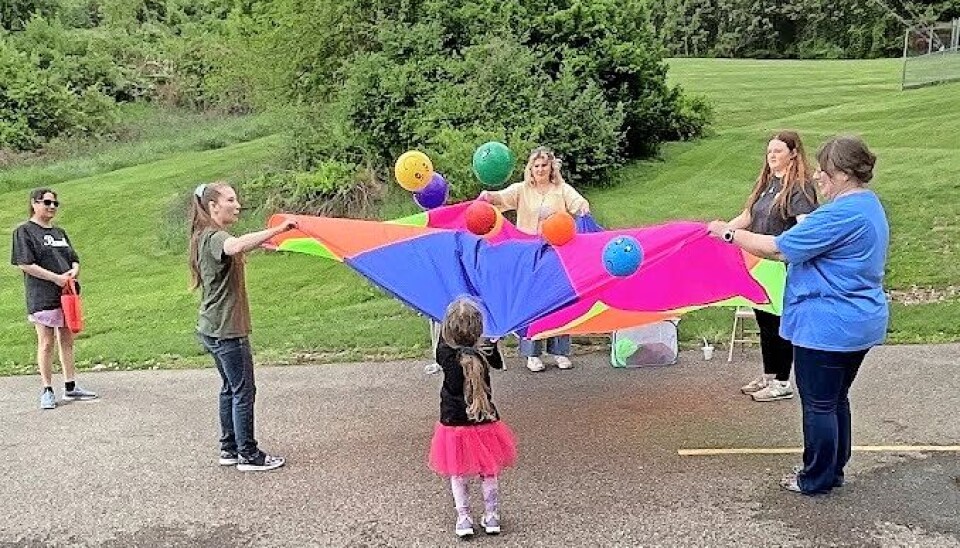
Academic activities do not always have to feel serious or stressful. When presented creatively, intellectual challenges can become exciting experiences that encourage curiosity and healthy competition.
Children’s Day is a great opportunity to organize activities that stimulate thinking while maintaining an atmosphere of celebration. Academic challenge events help students realize that learning can be engaging and enjoyable.
Schools can organize quiz competitions across different subjects such as science, literature, current affairs, mathematics, technology, or general knowledge. Innovation challenges may encourage students to propose ideas that solve simple school or community problems.
Another engaging approach is team-based competitions where students collaborate instead of competing individually. This encourages communication and teamwork while reducing pressure.
Students can also participate in spelling competitions, educational puzzles, reading contests, coding challenges, or problem-solving exercises.
The objective is not merely identifying top performers but encouraging participation and helping students discover strengths they may not normally display in traditional classrooms.
These activities help students build confidence, improve critical thinking, and develop a positive relationship with learning.
2. Vision Board Creation
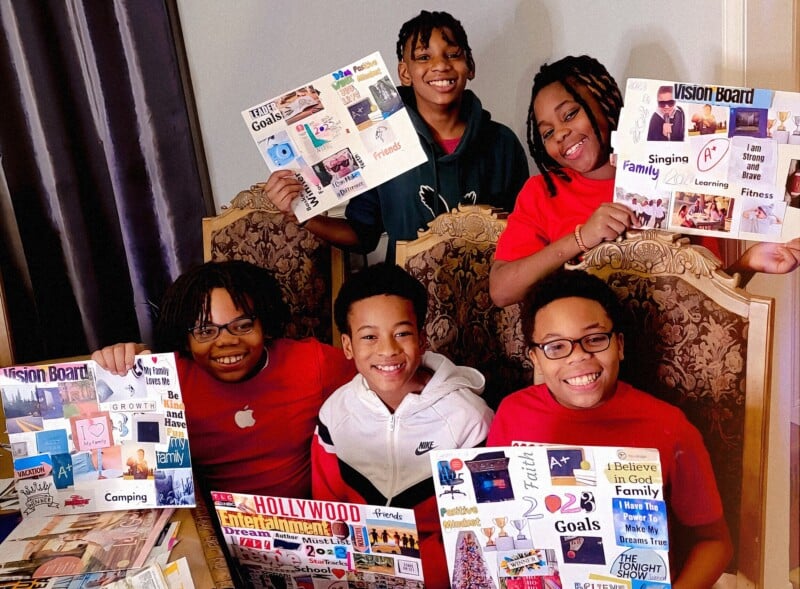
Children’s Day is an ideal moment to encourage students to think intentionally about their future.
Vision board creation is a reflective and inspiring activity that allows students to visualize their dreams, goals, and aspirations.
Students can use cardboard, magazines, photographs, drawings, colored paper, and written affirmations to create boards representing what they hope to achieve in life.
Their boards may include future careers, educational goals, travel ambitions, personal values, family dreams, or qualities they want to develop.
Teachers should encourage students to think beyond limitations and focus on possibilities.
After completing their vision boards, students may be invited to present and explain their ideas. This process helps strengthen communication and self-awareness.
Vision boards also create opportunities for meaningful conversations between students and teachers about goal-setting and growth.
Children often perform better when they can imagine a future they are excited about.
A simple board created during Children’s Day may become the beginning of a lifelong dream.
3. Career Discovery Sessions

Students are naturally curious about the future but often have limited exposure to different career paths.
Career discovery sessions provide opportunities to expand their understanding of what is possible.
Schools can invite professionals from different industries to speak with students about their experiences, journeys, and lessons learned.
Students may interact with doctors, lawyers, engineers, entrepreneurs, architects, teachers, media professionals, designers, scientists, artists, writers, and business leaders.
Rather than delivering formal lectures, guest speakers can engage students through storytelling and practical examples.
Students should be encouraged to ask questions such as:
1. What inspired your career choice?
2. What challenges did you overcome?
3. What advice would you give students?
4. What skills should young people develop today?
Career discovery sessions help students realize that there are many paths to success.
These conversations expose students to opportunities they may not have previously considered and encourage them to dream with greater confidence.
4. Appreciation Ceremonies
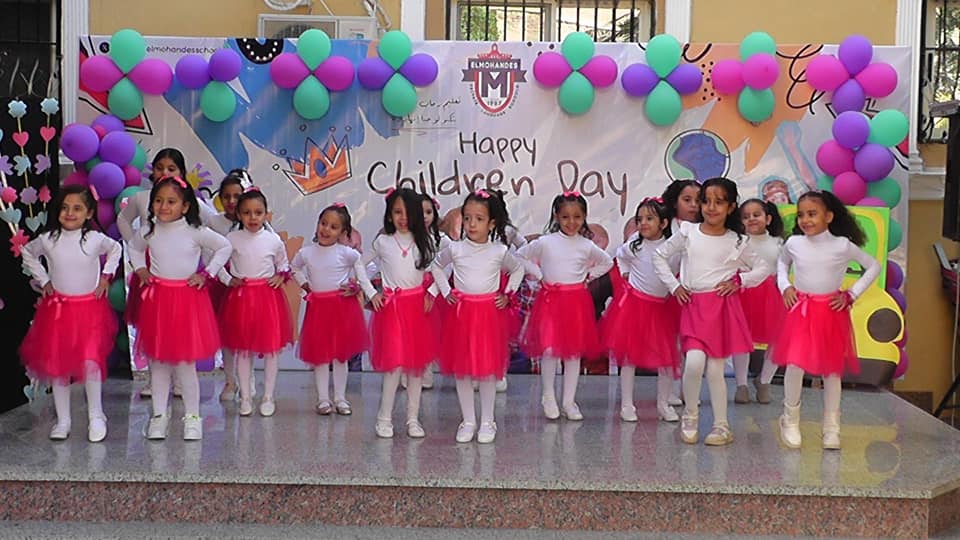
One of the most meaningful ways to celebrate students is through recognition.
Children often remember moments when their efforts were acknowledged more than the rewards themselves.
Appreciation ceremonies create opportunities to celebrate qualities that are not always measured by grades.
Recognition categories may include perseverance, creativity, leadership, kindness, punctuality, teamwork, consistency, courage, and personal growth.
Some students quietly contribute to the school environment in meaningful ways but rarely receive public acknowledgment.
Children’s Day creates space to celebrate these efforts.
Teachers may present certificates, appreciation notes, books, or simple verbal recognition.
Parents can also participate by writing encouraging messages to their children.
Recognition builds confidence and helps students understand that progress and character matter just as much as achievement.
Students who feel valued often become more motivated and engaged.
5. Student Leadership Activities

Leadership skills become stronger when children are trusted with responsibility.
Children’s Day celebrations can become more meaningful when students are involved in planning and organizing parts of the event.
Schools can create student committees responsible for welcoming guests, coordinating activities, introducing performances, managing schedules, or facilitating group sessions.
Students may also lead discussion groups, organize games, or coordinate community service initiatives.
Leadership activities teach practical skills such as communication, teamwork, decision-making, and accountability.
They also help students develop confidence and independence.
When students contribute to creating an event rather than simply attending it, they develop a sense of ownership and pride.
These experiences prepare them for future leadership opportunities both inside and outside school.
6. Open Mic Sessions

Children often have thoughts, stories, talents, and ideas they rarely get opportunities to express.
Open mic sessions create safe spaces where students can speak, perform, and share without fear of judgment.
Students may participate through poetry, spoken word, storytelling, speeches, comedy, music, singing, or personal reflections.
This activity encourages authenticity and self-expression.
Open mic sessions can also be themed around topics such as dreams, kindness, courage, friendship, gratitude, or future ambitions.
Teachers should create an encouraging environment where participation is celebrated regardless of performance quality.
Many students who appear quiet in regular settings become more confident when given creative platforms.
Open mic sessions remind students that their voices matter.
When students leave Children’s Day feeling heard, the celebration becomes truly meaningful.
Children’s Day Celebration Ideas for Kindergarten
Children in kindergarten experience the world through imagination, movement, curiosity, and play. At this stage, celebrations should focus less on structure and more on discovery, creativity, and joyful interaction.
The goal is to create an environment where children feel excited, safe, engaged, and encouraged to explore.
Colorful experiences and hands-on activities often create the strongest memories for young children.
1. Storytelling Adventure Corner

Storytelling is one of the most powerful experiences for young children.
A storytelling adventure corner transforms ordinary reading into an exciting journey.
Teachers can create themed spaces with colorful decorations, cushions, costumes, picture books, puppets, and visual props.
Stories can include adventure tales, friendship stories, animal journeys, and lessons about kindness or courage.
Children should also be encouraged to participate by making sounds, answering questions, acting out scenes, or predicting story endings.
Interactive storytelling strengthens listening skills, vocabulary, creativity, and emotional understanding.
Children become active participants rather than passive listeners.
Storytelling also helps children develop imagination and communication abilities from an early age.
2. Mini Costume Parade

Children naturally enjoy pretending and imagining different identities.
A mini costume parade allows kindergarten children to dress as characters they admire or future professions they dream about.
Some children may choose to become doctors, teachers, firefighters, pilots, artists, chefs, astronauts, or community helpers.
The experience becomes even more meaningful when children are invited to explain their costumes.
Teachers and parents can ask simple questions that encourage conversation and imagination.
Children enjoy being celebrated and photographed during these moments.
Costume activities also encourage confidence and creativity.
Most importantly, they create opportunities for children to imagine possibilities for their future.
3. Music and Dance Time

Movement and music are essential parts of early childhood development.
Music and dance activities instantly create excitement and encourage participation.
Teachers can organize singing circles, simple choreography sessions, musical games, and movement activities.
Songs with actions and repetition work especially well for younger children.
Dance encourages self-expression while improving coordination and social interaction.
Children also benefit emotionally because movement often creates joy and reduces anxiety.
Music sessions do not need to be perfect or structured.
The objective is to create moments of laughter, connection, and celebration.
4. Finger Painting Sessions
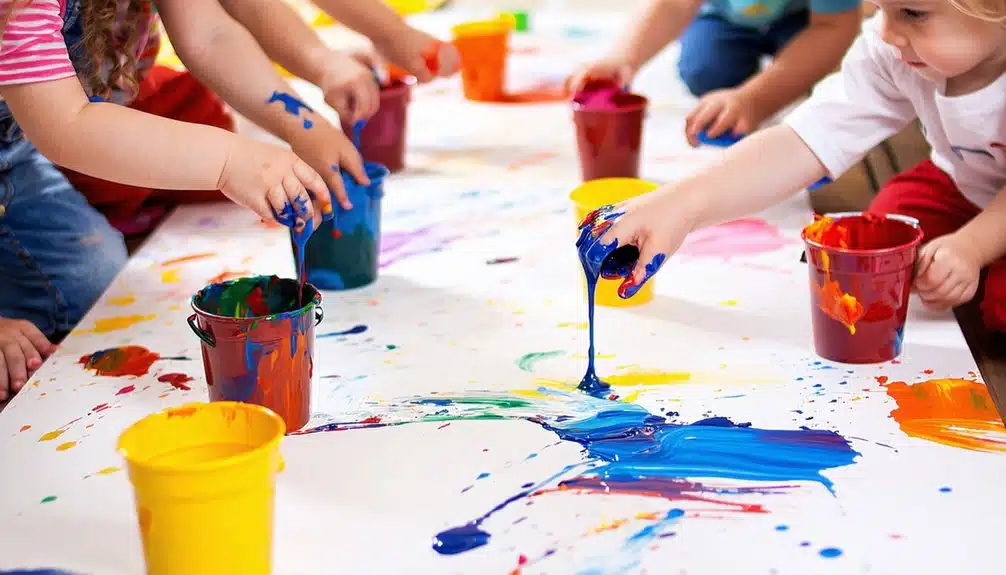
Children often communicate emotions and ideas through art long before they can express them verbally.
Finger painting gives children freedom to explore color, texture, and imagination.
Teachers can provide safe paint materials and encourage children to create pictures related to Children’s Day themes.
Children may paint family scenes, favorite animals, dreams, nature, or abstract creations.
Finger painting strengthens creativity while supporting fine motor development.
It also teaches children to experiment without fear of mistakes.
Displaying their artwork afterward creates excitement and reinforces confidence.
Young children feel proud when their creativity is acknowledged.
5. Treasure Hunt Games
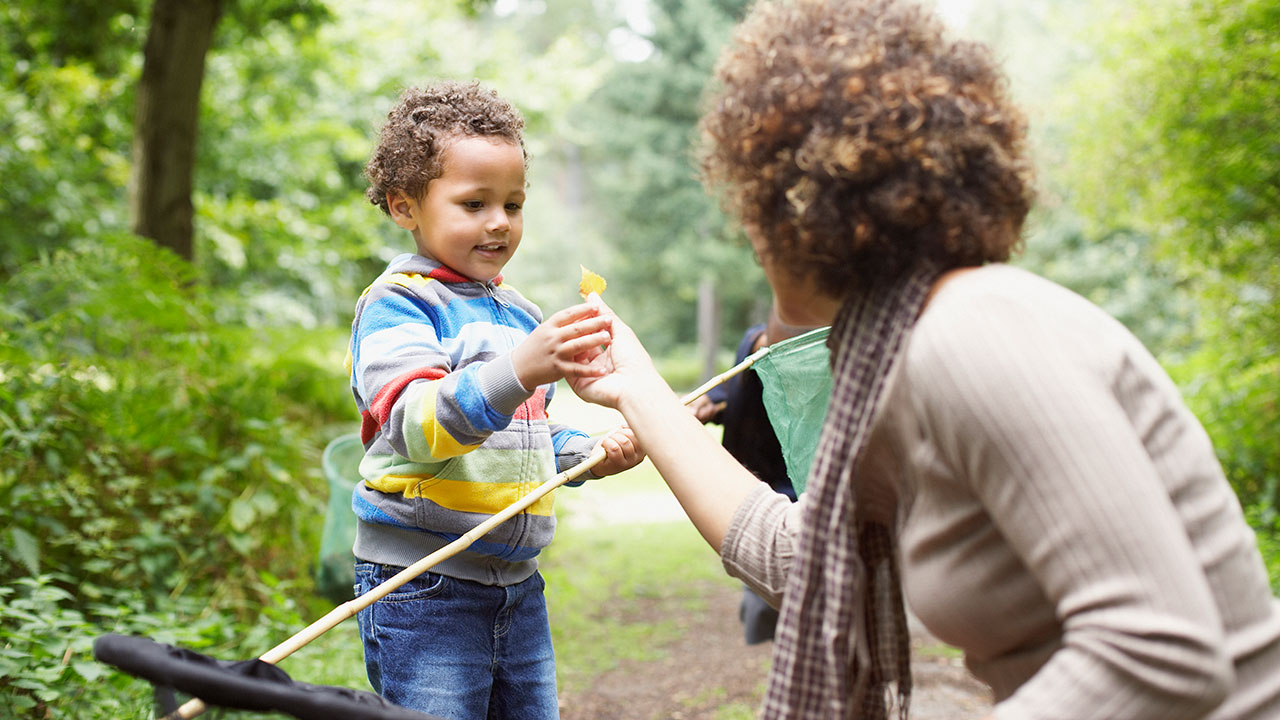
Treasure hunts transform simple activities into exciting adventures.
Kindergarten treasure hunts should remain playful and age-appropriate.
Teachers can hide objects around classrooms or playgrounds and provide easy clues that guide children from one discovery point to another.
The activity can include colorful objects, shapes, letters, stickers, or themed surprises.
Treasure hunts encourage observation, curiosity, teamwork, and problem-solving.
Children enjoy the excitement of discovering something unexpected.
The sense of accomplishment after completing the hunt often becomes one of the highlights of the celebration.
6. Bubble and Balloon Activities
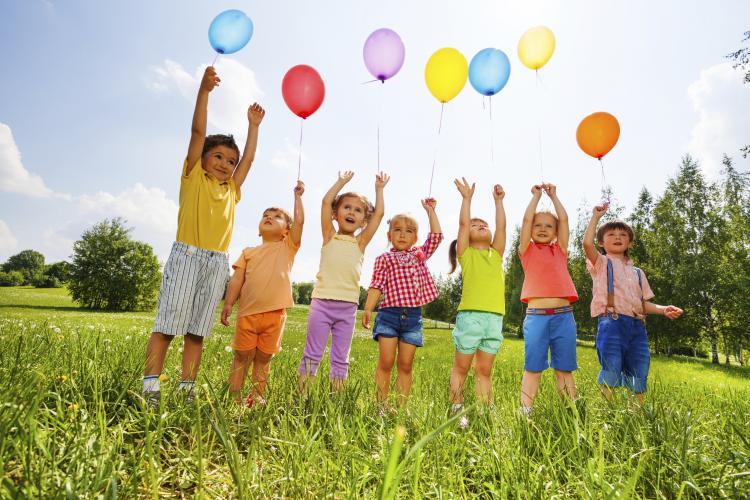
Sometimes the simplest activities create the greatest joy.
Bubbles and balloons introduce movement, color, and excitement into Children’s Day celebrations.
Children can participate in bubble-catching games, balloon relays, balloon art activities, and creative play sessions.
These experiences encourage movement and social interaction while creating visually exciting moments.
For young children, joy often comes from simple experiences shared with others.
Bubble and balloon activities help create those moments of laughter and wonder.
In conclusion, children’s Day celebrations become memorable when they are designed around children’s needs, interests, and stage of development. For students, meaningful activities inspire confidence, leadership, ambition, and self-expression.
For kindergarten children, playful experiences encourage imagination, creativity, and joyful discovery.
When children are celebrated intentionally, they leave with more than memories, they leave with encouragement, confidence, and inspiration that can shape how they see themselves and their future.
3 Comments
20 Most Popular and Cute Love Songs for Teenagers – Teen Trust News
[…] celebrate friendship turning into affection, others explore admiration from afar, and many reflect personal growth, emotional discovery, and […]
Group Raises Fresh Opposition to Comprehensive Sexuality Education in Schools – Teen Trust News
[…] argued that children should be protected from what the organisation considers inappropriate sexual content and […]
14 Countries Allow Eligible International Students to Bring Family Members – Teen Trust News
[…] a spouse or children can accompany the student has become an important consideration, particularly for international […]
Leave a Comment