By Al-Mustapha A. Mustapha
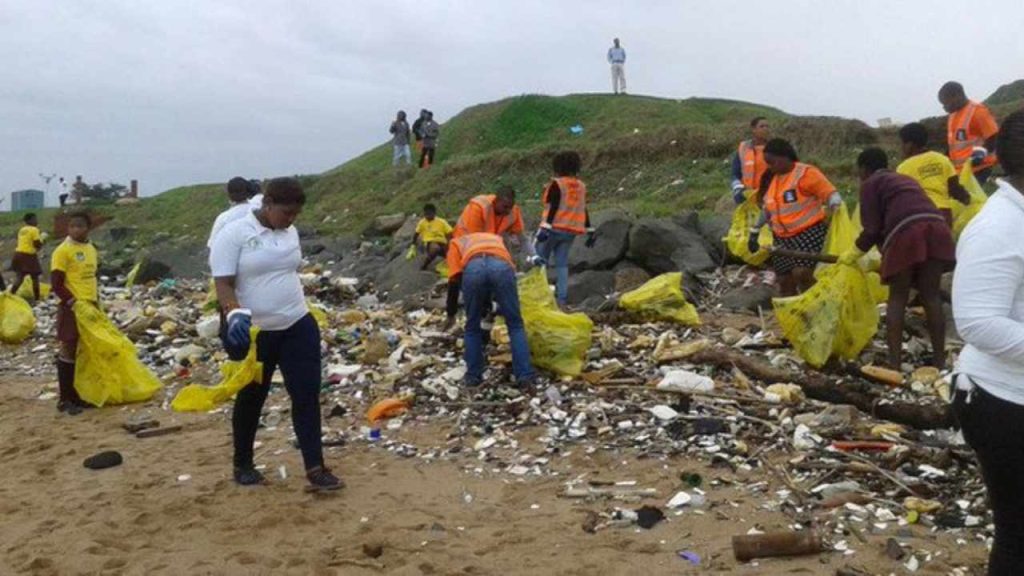
For many students, environmental protection sounds like something meant for scientists, government officials, or international organizations holding climate conferences in distant countries, but look around your school for a moment. The plastic bottle lying beside a classroom block.
Also read: Time Management in our Lives
The sachet water nylons scattered after break time. The overflowing waste bin behind a school fence. The tree that was cut down to make space for a building. These things may seem small, but they are all environmental issues. And they show that protecting the environment is not a job for adults alone. Students have a role to play too.
When people hear the word “environment,” they often think about forests, oceans, wildlife, and climate change. While those things are important, the environment also includes the places where we live, learn, play, and interact every day.
A clean classroom, a school compound free of litter, and a neighbourhood with proper waste disposal are all part of a healthy environment. This means students do not need to wait until they become adults before making a difference. They can start from where they are.
One of the simplest ways students can contribute is by educating others. Many environmental problems continue because people do not fully understand their effects. Some students throw waste on the ground because they assume someone else will clean it up. Others burn refuse without thinking about the pollution it causes.
Students who understand these issues can help create awareness among their classmates, friends, and family members. This can happen through discussions, school debates, environmental clubs, posters, social media posts, and school campaigns. Sometimes, a simple conversation can change a person’s habits.
Many teenagers believe environmental protection requires huge projects and large amounts of money. The truth is that some of the most effective actions are surprisingly simple, picking up litter instead of walking past it, and using waste bins properly. Avoiding unnecessary use of plastic materials. Switching off lights and electrical appliances when they are not needed.
Planting and caring for trees within school compounds and communities. Individually, these actions may seem small. But when hundreds of students practise them consistently, the impact becomes significant.
One of the most common environmental activities carried out in schools is tree planting. It may seem ordinary, but trees play an important role in keeping the environment healthy. They provide shade, improve air quality, reduce heat, and help control erosion.
In many parts of Nigeria, increasing temperatures and environmental degradation have made tree planting more important than ever. Students who participate in tree planting exercises are not simply decorating their schools. They are contributing to a healthier future.
Environmental protection is also about conservation. Conservation means using resources carefully so that future generations can benefit from them as well. Water, forests, land, and energy are valuable resources. When they are wasted or misused, everyone is affected.
Students can support conservation by reducing waste, avoiding unnecessary consumption, and encouraging responsible use of resources both at home and in school. The habits formed during teenage years often continue into adulthood.
Today’s students are growing up in a world shaped by science and technology, so this gives them opportunities previous generations did not have. Students interested in science, technology, engineering, and innovation can develop ideas that help solve environmental challenges.
Across the world, young people are creating recycling projects, developing cleaner energy solutions, and finding creative ways to reduce waste. Not every student will invent a groundbreaking technology, but every student can think critically about environmental problems and contribute ideas.
No individual can solve environmental challenges alone. Real progress happens when people work together. Schools can organise sanitation exercises, environmental awareness campaigns, recycling projects, and tree planting activities. Communities can support clean-up efforts and encourage responsible waste management. When students participate in these activities, they learn important values such as leadership, teamwork, responsibility, and service.
These lessons often extend beyond environmental protection and become useful in other areas of life. The future belongs to today’s students Climate change, pollution, deforestation, and waste management are challenges that will continue to affect future generations.
The decisions made today will influence the kind of world young people inherit tomorrow. This is why students should not see environmental protection as someone else’s responsibility. They are not just future leaders; they are present stakeholders.
Every plastic bottle properly disposed of, every tree planted, every awareness campaign organised, and every environmentally friendly habit adopted contributes to a healthier planet.
Protecting the environment does not always require grand speeches or expensive projects. Often, it begins with simple choices made every day. Students may not control government policies or international climate agreements, but they have the power to influence their schools, homes, and communities. And sometimes, real change starts with exactly that, with a small action, a better habit, a decision to care.
Leave a Comment