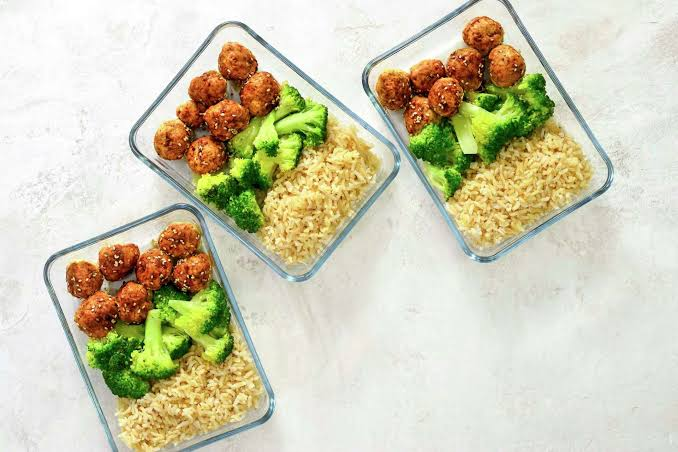
Healthy food for 14-year-olds plays an important role in physical growth, brain development, and emotional well-being. At this age, teenagers experience rapid changes that increase their nutritional needs. Therefore, eating balanced meals helps them stay active, focused, and healthy.

Also read: A bag of coins
However, choosing health-in-college/">nutritious foods can feel challenging when school, sports, social activities, and busy schedules compete for attention. Fortunately, healthy eating does not require expensive ingredients or complicated recipes. With the right food choices, teenagers can build healthy habits that last into adulthood.
This guide explores the best foods for 14-year-olds, essential nutrients, healthy meal ideas, and practical tips for maintaining a balanced diet.
Why Healthy Food Matters for 14 Year Olds
Fourteen-year-olds experience significant physical and mental development. Consequently, their bodies need enough energy, protein, vitamins, minerals, and healthy fats.
A balanced diet supports several important functions. First, it provides energy for school, exercise, and everyday activities. Additionally, it supports muscle development, bone strength, and immune function.
Healthy eating also benefits concentration and memory. For example, eating breakfast can help teenagers feel more prepared for school. Similarly, drinking enough water supports normal body functions throughout the day.
Most importantly, teenagers should understand that food provides nourishment rather than simply controlling body weight. Developing a positive relationship with food encourages healthier choices without unnecessary restrictions.
Best Healthy Foods for 14 Year Olds

A nutritious diet includes different food groups. Each group provides nutrients that help teenagers grow and remain active.
1. Fruits and Vegetables
Fruits and vegetables provide vitamins, minerals, antioxidants, and dietary fibre. These nutrients support digestion, immunity, and overall health.
Excellent choices include bananas, oranges, apples, mangoes, carrots, spinach, broccoli, tomatoes, and peppers.
For example, bananas make convenient snacks before school or physical activities. Meanwhile, leafy vegetables provide folate and other important nutrients.
Teenagers should eat a variety of colourful fruits and vegetables daily. Fresh, frozen, and appropriately prepared canned options can all contribute to a balanced diet.
2. Protein-Rich Foods
Protein helps build and repair muscles, tissues, and other body structures. Therefore, teenagers benefit from including protein sources in regular meals.
Good options include eggs, fish, chicken, beans, lentils, yoghurt, milk, groundnuts, and other nuts.
For Nigerian teenagers, beans, moi moi, eggs, fish, and chicken offer practical choices. Additionally, combining different protein sources throughout the week supports dietary variety.
Protein supplements are not usually necessary when teenagers eat an adequate, balanced diet. Food should remain the primary source of protein unless a qualified healthcare professional recommends otherwise.
3. Whole Grains and Energy-Giving Foods
Carbohydrates provide energy for learning, exercise, and daily activities. Whole grains also supply fibre and other valuable nutrients.
Healthy choices include oats, whole-wheat bread, brown rice, whole-grain cereals, and corn.
Traditional Nigerian foods can also fit into a healthy diet. For instance, rice, yam, potatoes, and garri provide energy when eaten in appropriate portions alongside vegetables and protein.
Rather than eliminating carbohydrates, teenagers should focus on variety and balanced meals.
4. Calcium-Rich Foods for Strong Bones
During adolescence, bones grow rapidly. Consequently, calcium and vitamin D are especially important for developing strong bones.
Milk, yoghurt, cheese, calcium-fortified alternatives, and certain leafy vegetables provide calcium. Eggs and oily fish can contribute vitamin D, while fortified foods may provide additional amounts.
However, not every food contains enough vitamin D to meet daily needs. Sunlight exposure also contributes to vitamin D production, although individual needs vary.
Teenagers who avoid dairy products should choose suitable calcium-fortified alternatives. Checking food labels helps them identify useful options.
5. Healthy Fats for Brain Development
Healthy fats support brain function, hormone production, and the absorption of fat-soluble vitamins.
Good sources include avocados, groundnuts, seeds, olive oil, and oily fish such as sardines and salmon.
For example, adding groundnuts to a snack or including fish in lunch provides beneficial fats. Nevertheless, teenagers should vary their food choices rather than relying on one source.
Healthy fats belong in a balanced diet and should not be avoided unnecessarily.
Healthy Meal Ideas for 14 Year Olds

Planning meals ahead makes nutritious eating easier. The following examples combine familiar foods with important nutrients.
Healthy Breakfast Ideas
Breakfast provides energy before school and helps teenagers meet their daily nutritional needs.
Options include:
- Oatmeal with milk, banana, and groundnuts.
- Boiled eggs with whole-wheat bread and fruit.
- Akara with pap and a serving of fruit.
- Whole-grain cereal with milk and sliced bananas.
- Moi moi with bread and water.
Teenagers who feel hungry shortly after breakfast can add more protein, fibre, or other satisfying foods.
Nutritious Lunch Ideas
Lunch should provide enough energy to support afternoon classes and activities.
Consider these combinations:
- Rice with beans, vegetables, and grilled fish.
- Jollof rice with chicken and mixed vegetables.
- Yam with egg sauce and vegetables.
- Beans and plantain with a side of vegetables.
- Whole-wheat sandwiches with eggs, chicken, or beans.
Whenever possible, include different food groups rather than relying entirely on starchy foods.
Balanced Dinner Ideas
Dinner provides another opportunity to replenish energy and obtain essential nutrients.
Suitable options include:
- Eba with vegetable soup and fish.
- Boiled potatoes with chicken and vegetables.
- Rice with beans and vegetable sauce.
- Pounded yam with a nutritious soup and protein.
- Grilled fish with sweet potatoes and steamed vegetables.
Portions should reflect individual hunger, activity levels, and nutritional needs. Growing teenagers may need more food during periods of rapid growth.
Healthy Snacks for Teenagers
Snacks help bridge the gap between meals when teenagers feel hungry.
Healthy options include:
- Fresh fruit and groundnuts.
- Yoghurt with fruit.
- Boiled eggs.
- Roasted corn.
- Whole-grain crackers with cheese.
- Homemade smoothies made with fruit and milk.
Additionally, keeping nutritious snacks available makes convenient choices easier during busy school days.
Essential Nutrients for 14 Year Olds
Teenagers need several nutrients to support healthy development. However, individual requirements depend on factors such as sex, activity, and overall health.
Protein: Supports tissue growth and repair.
Calcium: Helps build strong bones and teeth.
Iron: Supports red blood cell production and oxygen transport. Menstruating teenagers may have increased iron needs.
Vitamin D: Helps the body absorb calcium and supports bone health.
Fibre: Supports healthy digestion and helps prevent constipation.
Healthy fats: Support brain function and the absorption of certain vitamins.
Water: Maintains hydration and supports normal body functions.
A varied diet usually provides many essential nutrients. However, a healthcare professional can assess whether supplementation is necessary.
Foods 14 Year Olds Should Limit
Teenagers do not need to completely avoid their favourite treats. Instead, they should develop balanced eating habits that prioritise nutritious foods.
Foods worth limiting include sugary drinks, sweets, heavily salted snacks, and meals that frequently replace more nutritious options.
For example, water makes an excellent everyday drink. Meanwhile, fruit can provide a satisfying alternative when teenagers want something sweet.
Highly processed foods can still fit occasionally into a balanced diet. The overall eating pattern matters more than labelling individual foods as completely good or bad.
Tips for Building Healthy Eating Habits at 14
Healthy eating becomes easier when teenagers follow realistic routines.
First, eat regular meals and respond to hunger cues. Avoid skipping meals simply because of schoolwork or concerns about body size.
Second, drink water throughout the day, especially during exercise and hot weather. Keeping a reusable water bottle nearby can help.
Third, involve teenagers in grocery shopping and meal preparation. Learning to prepare simple dishes encourages independence and builds practical life skills.
Additionally, get enough sleep and participate in enjoyable physical activities. Nutrition works alongside sleep, movement, and other healthy habits to support development.
Finally, avoid restrictive diets without appropriate medical guidance. Teenagers need sufficient food to support growth, and concerns about nutrition or weight deserve compassionate professional advice.
Frequently Asked Questions
What is the Healthiest Breakfast for a 14-year-old?
A balanced breakfast combines carbohydrates, protein, and other nutrients. Oatmeal with milk and fruit, eggs with whole-grain bread, or moi moi with pap can work well.
How Many Meals Should a 14-year-old eat Daily?
Many teenagers enjoy three main meals with snacks when hungry. However, individual appetites, activity levels, schedules, and growth patterns differ.
Is Rice Healthy for 14-year-olds?
Yes. Rice provides carbohydrates that supply energy. Pairing it with vegetables and protein creates a more balanced meal.
What Foods Help Teenagers Grow?
No single food guarantees growth. A varied diet containing protein, calcium, vitamin D, iron, and sufficient energy supports normal development.
What Should a 14-year-old Drink Daily?
Water is an excellent everyday choice. Milk or suitable fortified alternatives can also provide valuable nutrients, depending on individual dietary needs.
Can 14-year-olds Eat Snacks Every Day?
Yes. Nutritious snacks can help teenagers meet their energy needs between meals. Fruit, yoghurt, eggs, and groundnuts are practical options.
Leave a Comment