
Life skills for 11–13 year olds help children become more independent, responsible, confident, and prepared for everyday challenges. Between the ages of 11 and 13, children experience important changes in their emotions, relationships, responsibilities, and decision-making abilities. Therefore, learning practical life skills during this stage can prepare them for adolescence and adulthood.
Also read: Sensyne Ring Light with Stand
Although academic subjects teach valuable knowledge, children also need skills they can apply outside the classroom. For example, knowing how to manage money, communicate respectfully, prepare simple meals, and solve problems can make everyday life easier.
Parents, teachers, and caregivers can introduce these skills through practical activities, regular conversations, and age-appropriate responsibilities.
Life Skills for 11–13 Year-Olds
 Education Outside the Classroom" title="Life Skills for 11–13 Year Olds: Essential Skills Every Young Teen Should Learn">
With consistent guidance, young teenagers can gradually develop the confidence to handle challenges independently.
1. Communication Skills
Communication is one of the most important life skills for young teenagers. It helps them express their thoughts, explain their feelings, ask questions, and build healthy relationships.
Children aged 11–13 should learn how to listen without interrupting, speak respectfully, and communicate their needs clearly. Additionally, they should understand the importance of body language, tone of voice, and choosing appropriate words.
For example, a child who disagrees with a classmate can explain their opinion calmly instead of shouting or insulting the other person.
Parents can encourage communication by asking children about their day, listening to their concerns, and allowing them to express different opinions respectfully.
2. Time Management and Organisation
As children enter their teenage years, they often face increasing academic and personal responsibilities. Consequently, learning to manage time can help them balance schoolwork, hobbies, friendships, and relaxation.
Young teenagers should know how to create a simple schedule, organise school materials, and complete assignments before deadlines. They should also understand how to break large tasks into smaller, manageable steps.
For instance, a 12-year-old can set aside time for homework, household chores, meals, and leisure activities.
Using a calendar, planner, or checklist can make these responsibilities easier to manage. Over time, children learn to become more organised and accountable for their commitments.
3. Basic Money Management
Financial literacy is another essential life skill for 11–13 year olds. Learning how money works helps children develop responsible spending habits before they become financially independent.
At this age, children can learn the difference between needs and wants, how to save money, and why it is important to compare prices before buying something.
For example, a child who receives pocket money can divide it between spending, saving, and a chosen goal. They can also learn how to calculate change when shopping.
Parents can introduce simple budgeting activities using realistic examples. Furthermore, discussing advertising and online shopping helps children recognise the difference between genuine needs and impulsive purchases.
4. Personal Hygiene and Self-Care
Personal hygiene becomes especially important during early adolescence because puberty brings physical changes. Therefore, children should learn how to care for their bodies confidently and consistently.
Essential habits include bathing regularly, brushing teeth twice daily, washing hands properly, wearing clean clothes, and maintaining appropriate hair and nail care.
Children should also understand puberty, body odour, menstruation, and other age-appropriate health topics. These conversations should be factual, respectful, and free from embarrassment.
Additionally, young teenagers should learn the importance of sufficient sleep, balanced meals, physical activity, and emotional well-being.
Teaching self-care helps children develop healthy routines and take greater responsibility for their personal needs.
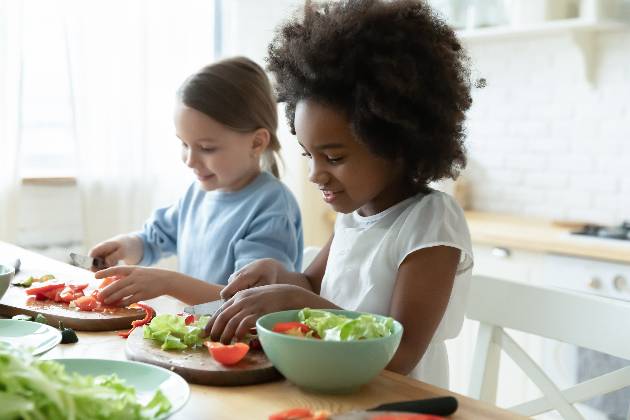
5. Basic Cooking and Food Preparation
Knowing how to prepare simple meals encourages independence and helps children develop a healthier relationship with food.
Children aged 11–13 can learn to wash fruits and vegetables, prepare sandwiches, mix simple salads, measure ingredients, and make basic breakfasts. With appropriate supervision, they can also practise using kitchen appliances.
For example, a parent can teach a child how to prepare oatmeal, make an egg sandwich, or assemble a nutritious snack.
Food safety is equally important. Children should wash their hands before handling food, store ingredients properly, and understand the risks associated with hot surfaces and sharp utensils.
These experiences can help teenagers make practical food choices and contribute to family responsibilities.
6. Problem-Solving and Critical Thinking
Problem-solving helps children approach challenges logically instead of becoming overwhelmed or immediately depending on others.
Young teenagers should learn to identify problems, consider possible solutions, evaluate consequences, and choose an appropriate response.
For instance, if a student forgets an assignment, they can consider how to communicate with their teacher, complete the work, and prevent the same mistake.
Critical thinking also helps children question information, recognise misleading claims, and make informed decisions.
Parents and teachers can develop these abilities by encouraging children to explain their reasoning rather than simply giving them answers. As a result, children become more confident in handling unfamiliar situations.
7. Emotional Intelligence and Self-Control
Emotional intelligence involves recognising feelings, understanding other people’s emotions, and responding appropriately.
Between 11 and 13, children may experience stronger emotions as they navigate friendships, school expectations, and personal changes. Learning emotional regulation can help them handle these experiences more effectively.
They should practise identifying emotions, expressing frustration respectfully, managing disappointment, and asking for help when necessary.
For example, a child who feels angry after losing a game can take a break, calm down, and discuss the situation without hurting others.
It is also important to teach empathy. Understanding another person’s perspective can improve friendships and reduce unnecessary conflict.
8. Digital Literacy and Online Safety
Technology is an important part of modern childhood. However, young teenagers need the knowledge and judgment to use digital platforms responsibly.
They should understand how to protect passwords, avoid sharing personal information, recognise suspicious links, and question information found online.
Additionally, children need to understand cyberbullying, online privacy, and the importance of treating others respectfully on social media and messaging platforms.
For example, they should know not to share their home address, school location, or private photographs with strangers online.
Parents can also discuss screen-time boundaries and encourage children to report uncomfortable online interactions without fear of punishment.
9. Decision-Making and Personal Responsibility
Decision-making skills help children understand that their choices can produce different outcomes.
At ages 11–13, children can begin evaluating options, considering risks, and thinking about the short-term and long-term consequences of their actions.
For example, a child deciding whether to study or play video games can consider an upcoming test and choose an appropriate balance.
Personal responsibility also involves admitting mistakes, keeping promises, completing assigned chores, and accepting reasonable consequences.
Allowing children to make age-appropriate decisions helps them develop independence. However, adults should continue providing guidance when decisions involve significant safety risks.
10. Conflict Resolution and Healthy Relationships
Disagreements are a normal part of friendships, family relationships, and school life. Therefore, children need practical ways to resolve conflicts without aggression or disrespect.
They should learn to listen to different perspectives, explain their feelings, apologise when appropriate, and negotiate fair solutions.
For instance, two friends who disagree about a game can take turns choosing activities rather than ending their friendship over the disagreement.
Young teenagers should also recognise unhealthy relationships, peer pressure, bullying, and controlling behaviour.
Importantly, they must understand that setting boundaries is acceptable. They should feel comfortable saying no and seeking help from a trusted adult when someone makes them feel unsafe.
11. Basic First Aid and Personal Safety
Understanding basic first aid can help children respond more confidently during minor emergencies.
Young teenagers can learn how to clean a small scrape, apply a plaster, recognise when someone needs medical assistance, and contact emergency services where available.
They should also know how to respond to common safety situations at home, school, and in public spaces.
For example, children should understand why they must never touch exposed electrical wires or take medication without appropriate adult guidance.
First-aid training should be age-appropriate and supervised by a qualified instructor when practical skills are involved.
12. Teamwork and Cooperation
Teamwork teaches children how to collaborate, share responsibilities, and appreciate different perspectives.
Whether they participate in sports, school projects, or household activities, young teenagers benefit from learning how to contribute fairly and respect other people’s strengths.
For example, siblings can work together to organise a room, with each person handling a specific task.
Children should also learn to accept constructive feedback, manage disagreements, and recognise the contributions of others.
These abilities can support future success in education, employment, and community life.
13. Basic Household Skills
Household responsibilities help children become more independent and understand the importance of contributing to family life.
Children aged 11–13 can learn to make their beds, organise their belongings, fold laundry, wash dishes, sweep floors, and keep their study areas tidy.
Depending on their abilities and circumstances, they may also help prepare shopping lists or organise groceries with an adult.
These activities teach responsibility, cooperation, and practical problem-solving.
However, chores should remain appropriate for the child’s age and abilities. Children should receive guidance when learning unfamiliar tasks and should not be expected to manage adult responsibilities.
14. Self-Confidence and Setting Boundaries
Self-confidence helps young teenagers recognise their strengths, express their opinions, and make decisions without constantly seeking approval.
Children should learn that making mistakes does not make them failures. Instead, mistakes provide opportunities to learn and improve.
They also need to understand personal boundaries. For example, they can decline activities that make them uncomfortable, protect their privacy, and seek support when facing pressure from peers.
Parents and teachers can encourage confidence by recognising effort, allowing children to practise new skills, and respecting their growing independence.
Healthy confidence does not mean believing they are always right. Rather, it means trusting their abilities while remaining open to learning.
How Parents and Teachers Can Teach Life Skills to 11–13 Year Olds
Children learn life skills most effectively through practice, encouragement, and consistent guidance.
Instead of explaining everything theoretically, adults can create opportunities for children to apply their knowledge. For example, a child can help plan a family meal, manage a small budget, or organise a weekly study schedule.
Furthermore, adults should allow children to make manageable mistakes and reflect on the results. This approach encourages learning without unnecessary criticism.
Regular conversations about friendships, online safety, emotions, and decision-making can also help children feel supported.
Most importantly, every child develops at a different pace. Adults should adapt activities to individual abilities, cultural circumstances, and levels of confidence.
Leave a Comment