By Christiana Ibrahim
Also read: Types of Mammals
Staying active is one of the most important things children can do for their bodies and minds. In a world filled with televisions, phones, tablets, and video games, many children are spending less time playing and exercising. But exercise and play are not just fun—they help children grow strong, stay healthy, think clearly, and feel happy. This article explains why exercise and play matter and how kids can enjoy them every day.
What is exercise?
Exercise is any activity that makes your body move, your heart beat faster, and your muscles work. It can be jumping, running, stretching, dancing, or riding a bicycle. Exercise helps keep your body strong, fit, and full of energy. You do not need a gym or expensive equipment to exercise. Even simple movement, like playing in the yard, counts as exercise.
What is play?
Play is what children naturally love to do. It includes games, sports, pretend play, jumping, climbing, throwing, skipping, and even chasing your friends around. Play is fun, but it also teaches you important skills like sharing, teamwork, problem-solving, and creativity. Play can happen anywhere—at home, at school, on the field, or even inside the house when the weather is bad.
Why exercise and play are important
- Makes your body stronger
Exercise strengthens your muscles and bones. When you run, jump, and stretch, your body becomes stronger. This helps you stand tall, walk easily, and stay active without getting tired too quickly.
- Keeps you healthy
Regular exercise helps prevent illnesses such as obesity. It also improves your heart, lungs, and blood circulation. Active children sleep better, breathe better, and feel better.
- Helps your brain grow
Did you know that exercise helps your brain learn more? Moving your body increases blood flow to your brain, making it easier to concentrate in class, remember what you read, and solve problems faster.
- Makes you happy
Exercise releases special chemicals called “happy hormones” that help you feel cheerful, relaxed, and confident. If you are ever feeling sad, bored, or worried, a little exercise or play can brighten your mood.
- Teaches social skills
When you play with others, you learn teamwork, communication, patience, and kindness. Games teach you how to win politely and lose respectfully. You also learn how to share, wait for your turn, and help others.
- Develops creativity
Play helps your imagination grow. Building with blocks, pretending to be a pilot, creating new games, or dancing to your own rhythm teaches you to think in new and creative ways.
- Helps you build healthy habits early
Children who exercise regularly grow into adults who value fitness and health. Starting early gives you the best chance of becoming a strong and healthy adult.
Different types of exercise and play
There are many ways kids can exercise and have fun every day. Here are some activities children love:
- Running and jogging
This is one of the best exercises for building endurance and strong legs. Kids can run during games like tag, relay races, or even while walking the dog.
- Jumping and skipping
Jumping rope, hopping on one foot, and trampoline jumping all help strengthen muscles and improve balance.
- Ball games
Football, basketball, volleyball, and throw-and-catch games teach coordination, teamwork, and focus. Even simple ball bouncing is great exercise.
- Dancing
Dancing is fun and helps the whole body move. You can dance to your favourite songs at home, during parties, or with friends at school.
- Cycling and scootering
Riding a bicycle or scooter builds leg strength and improves balance. It is also a great way to explore your neighbourhood safely.
- Stretching and yoga
Gentle stretching keeps your muscles flexible. Kids’ yoga helps you relax, focus, and improve posture.
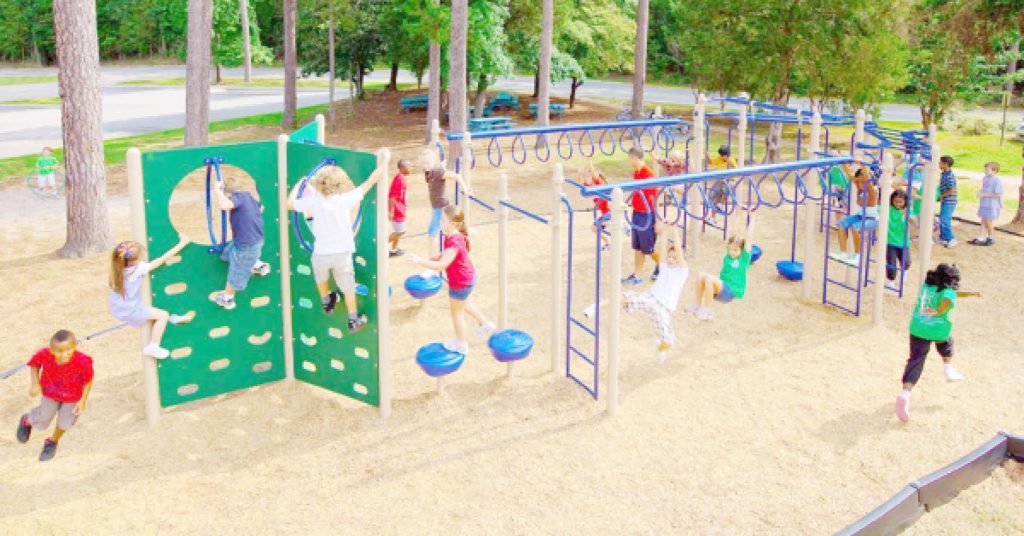
- Playground activities
Climbing, sliding, swinging, and balancing are excellent for coordination, strength, and confidence.
- Traditional games
Games like hide and seek, ten-ten, suwe, catcher, police and thief, and swimming are not only fun but also help you bond with friends.
How long should kids exercise?
Health experts recommend that children get at least 60 minutes of exercise every day. This does not have to be all at once. You can divide it into smaller parts—for example:
20 minutes of playing outside
20 minutes of games at school
20 minutes of dancing or jumping at home
The important thing is to stay active daily.
Exercise at home
Even if you do not have a large space, you can exercise at home. Here are some ideas:
Skipping rope in the compound
Dancing in the sitting room
Doing jumping jacks
Playing balloon games
Running small races with your siblings
Helping with chores like sweeping or washing the car—these also count as exercise!
Parents can encourage kids by joining in the fun. A family that plays together stays healthy together.
Exercise at school
Schools provide many opportunities for kids to stay active:
Physical Education (P.E.) classes
Sports clubs
Breaktime and lunchtime play
Inter-house sports
School sports teams and competitions
Participating in sports at school helps children discover their talents. Some kids find out they are good at football, running, dancing, high jump, or even gymnastics.
Staying safe during exercise
While exercise is important, safety matters too. Here are simple safety tips:
Warm up before playing.
Wear comfortable clothes and shoes.
Drink water before and after exercising.
Play in safe areas away from traffic.
Follow the rules of the game.
Stop if you feel pain or dizziness.
Tell an adult if something hurts.
These tips help keep play fun and injury-free.
How parents and teachers can help
Adults play a big role in helping children stay active. Parents and teachers can:
Encourage kids to play outside instead of sitting with devices.
Plan family exercise time.
Provide safe play materials like balls, ropes, or cones.
Limit screen time.
Praise children for being active.
Organise school sports events.
When children see adults supporting play, they feel motivated to stay active.
The problem of too much screen time
Phones, tablets, and televisions are useful, but spending too much time on them can make children inactive. Sitting for long hours can cause weight gain, poor posture, tired eyes, and laziness.
To stay healthy, kids should:
Reduce TV and phone time
Take breaks to stretch
Play outside more often
Choose active games instead of sitting ones
Leave a Comment