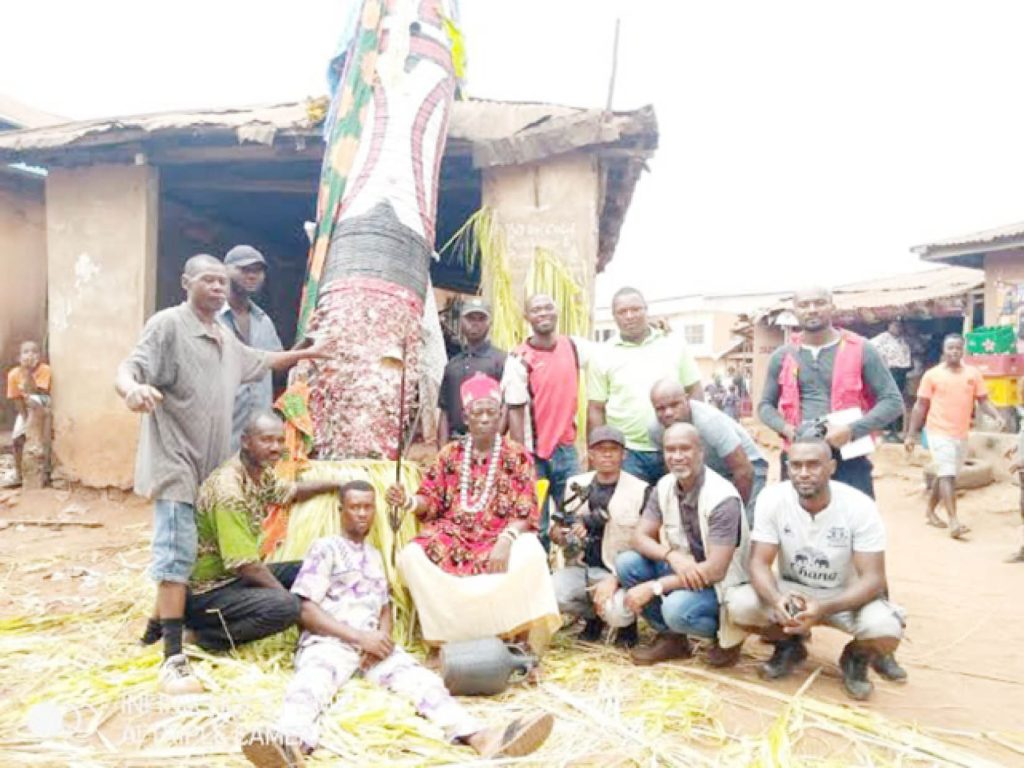
What if your grandparents who had died could come back home for a while?
For some communities in Enugu State, this is part of an old tradition known as the **Odo Festival**.
Also read: Sharo fulani ceremony in northern Nigeria
The Odo Festival is celebrated by some communities in Nsukka and other parts of northern Igboland. The word “Odo” refers to the spirits or ancestors who are believed to return to the community during the festival.
According to the tradition, the ancestors come back to visit their families and communities. Their return is not seen as something to fear. Instead, it is a time for people to welcome them, remember their loved ones and celebrate their connection with those who came before them.
The festival does not happen every year. In many communities, it is held after several years. This makes it a very special occasion when it finally arrives.
One of the most interesting parts of the festival is the **Odo masquerade**. People who take part in the masquerade wear special costumes and masks. These costumes can look very different from the clothes people normally wear.
During the celebrations, the masquerades move through the community. There may be singing, dancing, drumming and other traditional activities.
Families also use the festival as a time to remember their ancestors. Older people tell stories about members of the family who have died. Children can learn the names, stories and achievements of relatives they may never have met.
The festival can also bring families together. Relatives who live in other towns or cities may return home to take part in the celebration.
But there is an interesting part of the tradition: the ancestors are not believed to stay forever.
After spending some time with the living, they are expected to return to the spirit world. This is marked by another set of ceremonies to say goodbye.
The Odo Festival therefore has both a happy and serious side. People celebrate the return of the ancestors, but they also understand that the visit will come to an end.
Today, some communities continue to celebrate Odo while others do not hold it as often as they did in the past. Modern life has also changed the way some traditional festivals are organised.
Still, Odo remains an important part of the cultural history of the people who celebrate it.
It teaches a simple lesson: ‘our families are not only made up of the people we see today. The stories of those who came before us are also part of who we are.’
Leave a Comment