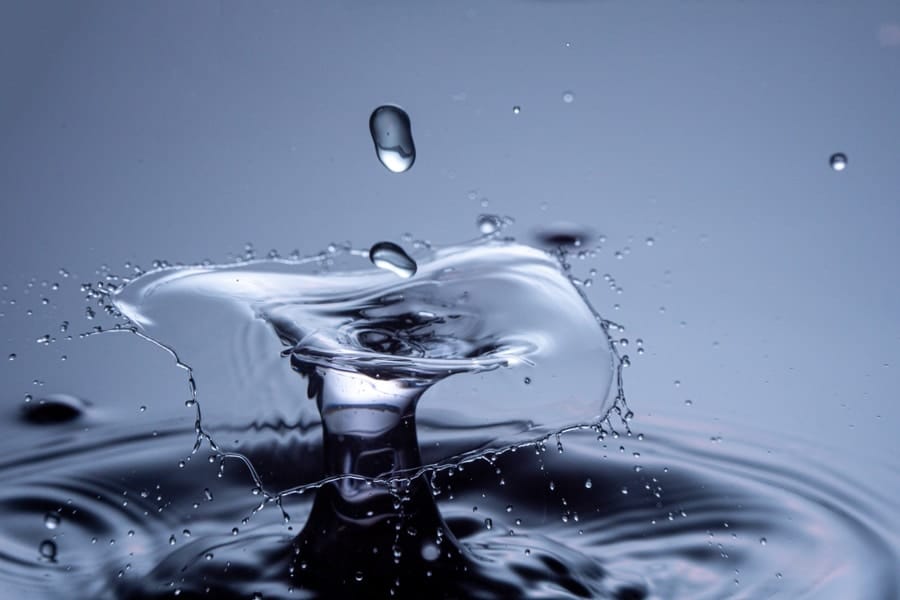
Have you ever watched raindrops slide down a window or fall into a puddle? Each tiny drop is part of a remarkable journey that helps keep our planet alive. Long before it lands on your roof, waters a plant or splashes against your shoes, a raindrop has travelled through the water cycle.
Let us follow one little drop called Raina and discover the secret behind its journey.
Also read: How dehydration affects your brain function, mood
A trip into the sky
Raina began her journey in a large lake. One sunny morning, the Sun warmed the water, causing some of it to change into an invisible gas called water vapour. This process is known as evaporation.
Raina rose into the air as water vapour, joining countless other tiny amounts of moisture travelling upwards. She was no longer a visible drop, but her journey was far from over.
Higher in the sky, the air became cooler. The water vapour cooled and changed into tiny droplets of liquid water. This process is called condensation. The droplets gathered around tiny particles in the air, forming a cloud.
Inside the cloud, Raina met many other water droplets. They floated together, carried by moving air. Some clouds stayed high in the sky, while others grew darker as they collected more moisture.
Time to fall
As the droplets collided and joined together, some became larger and heavier. Eventually, Raina grew too heavy to remain suspended in the air. She began to fall towards the ground as rain.
This part of her journey is called precipitation. Depending on the temperature and conditions in the atmosphere, precipitation can also fall as snow, sleet or hail.
Raina landed on a mango tree in a school compound. For a moment, she rested on a broad green leaf before sliding down its surface and falling into the soil.
Nearby, a young plant was thirsty. Some of the rainwater soaked into the ground, where the plant’s roots could absorb it. Other water flowed over the land into a small stream.
The journey continues
Raina travelled with the stream until it joined a river. The river carried her towards a larger body of water, where she could begin her journey again.
Not every raindrop follows the same path. Some soak into the ground and become part of underground water supplies. Others flow into rivers and lakes, while some are taken up by plants and later released into the air through a process called transpiration.
Together, evaporation, condensation, precipitation and the movement of water across and beneath the ground help keep the water cycle going.
Why does Raina matter?
Raina may be tiny, but water is essential to life. People need it for drinking, cooking and cleaning. Farmers depend on it to grow crops, and animals need it to survive. Rain also helps refill rivers, lakes and other water sources.
However, too much rain in a short period can cause flooding, while too little rain can lead to drought. This is why understanding rainfall and protecting our water sources are important.
Raina’s journey teaches us that water does not simply disappear when it dries up. It moves from one place to another, changing form along the way.
The next time rain falls, remember that each drop is part of a much bigger story. From the lake to the clouds, from the clouds to the ground and back again, the water cycle keeps moving—quietly helping life flourish on Earth.
Leave a Comment