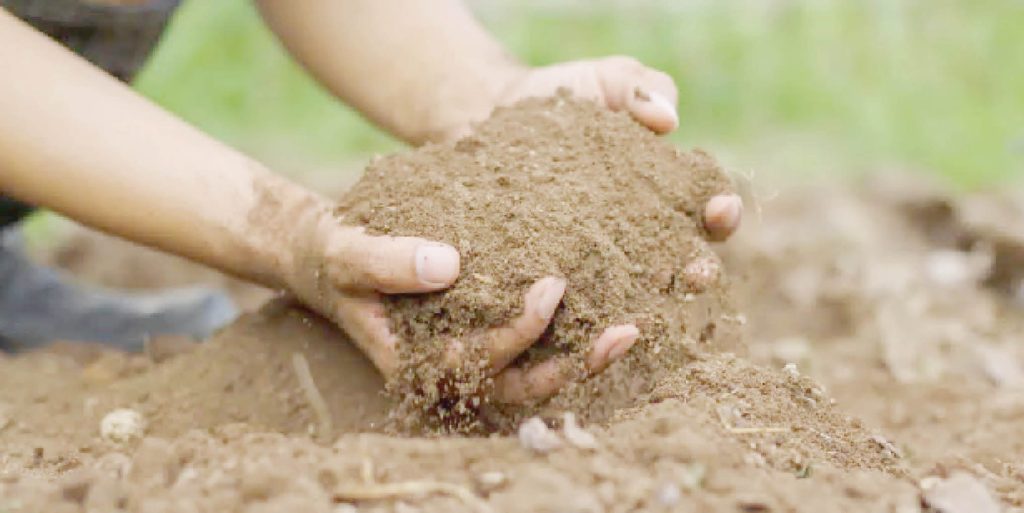
Before the rice we eat reaches our plates or the vegetables in our meals arrive at the market, they begin their journey in the soil. Soil is one of nature’s most valuable resources because it provides plants with the nutrients, water, and support they need to grow. Without healthy soil, farming would become difficult, and producing enough food would be a major challenge.
Farmers understand how important soil is, which is why they use different methods to protect and improve it. Taking care of the soil helps crops grow better and ensures that the land remains useful for many years.
Also read: How to prevent contacting Cholera
One way farmers care for the soil is by adding manure and compost. Manure comes from animal waste, while compost is made from materials such as dry leaves, vegetable peels, and other decomposed plant matter. These materials add nutrients to the soil and help plants grow strong and healthy. They also improve the soil’s ability to hold water.
Another method is crop rotation. This means planting different crops on the same piece of land during different farming seasons. For example, a farmer may plant maize on a farm during one season and beans during the next. This helps prevent the soil from losing the same nutrients repeatedly. Some crops, such as beans, can also help add nitrogen to the soil, making it more suitable for growing other plants.
Farmers also protect the soil by planting cover crops. These are plants grown mainly to cover the ground rather than for harvesting. They protect the soil from heavy rainfall and strong winds, which can wash or blow away its top layer. Some farmers also plant grass and trees around their farms to reduce soil erosion.
Mulching is another useful farming practice. It involves covering the soil with materials such as dry grass, leaves, or crop remains. Mulching helps the soil retain moisture, reduces weed growth, and protects the ground from too much heat from the sun.
Farmers must also be careful when watering their crops. Too much water can wash away important nutrients, while too little water can make plants dry up. Using water wisely through methods such as drip irrigation helps keep the soil moist without wasting water.
Another important practice is avoiding bush burning and excessive use of chemicals. Burning farmland can destroy useful organisms living in the soil, while the careless use of fertilisers and pesticides can affect soil health and pollute nearby water sources. Farmers are encouraged to use these products carefully and follow proper farming advice.
Earthworms and other tiny organisms also help keep the soil healthy. They break down dead plants and other organic materials, helping to release nutrients into the ground. Farmers who protect these organisms are also helping their crops.
Taking care of the soil is not only the responsibility of farmers. Everyone can help by planting trees, avoiding unnecessary burning, and supporting practices that protect the environment.
Healthy soil gives us healthy plants, food, and a better environment. Farmers know that the land is a valuable gift, and caring for it today means protecting our food supply for tomorrow. After all, when we take care of the soil, the soil takes care of us.
Leave a Comment