By Asmau Yusuf Isa, SS1 Science, Shehu Shagari Model Islamic Centre, Abuja
Hygiene is one of the simplest yet most effective ways to protect ourselves and those around us. It involves keeping our bodies, surroundings, food, and daily habits clean to prevent diseases and promote healthy living. Although some people see hygiene as just another routine, its importance cannot be overstated.
Also read: Exploring Entrepreneurship: A memorable school excursion
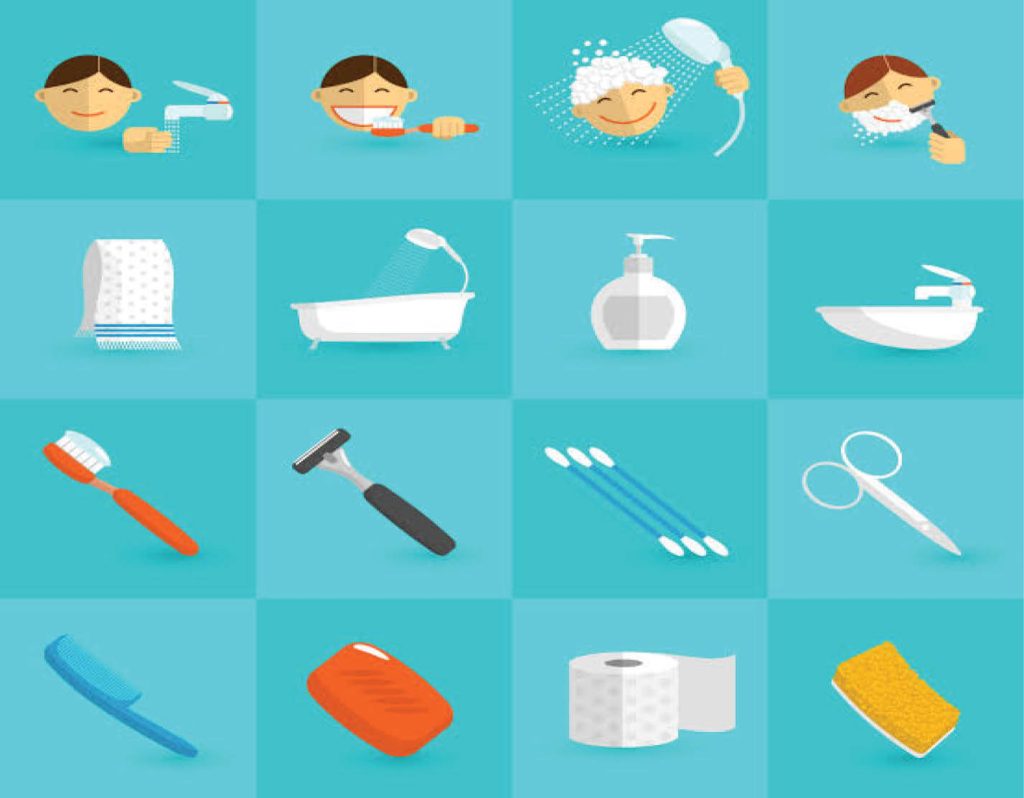
Maintaining personal hygiene begins with simple habits such as washing our hands regularly, brushing our teeth, bathing daily, wearing clean clothes, and keeping our surroundings tidy. These practices help prevent the spread of harmful germs that cause illnesses such as diarrhoea, malaria, and other infections. A clean body also boosts confidence and helps us interact better with others.
Good hygiene is especially important for students because a healthy student is more likely to concentrate, learn effectively, and participate actively in school activities. An untidy environment can attract pests and create conditions that allow diseases to spread quickly. Therefore, keeping our classrooms, homes, and public places clean is a responsibility we all share.
Hygiene is not just about looking neat; it is about protecting our health and showing consideration for others. Everyone has a role to play by avoiding littering, disposing of waste properly, and encouraging others to practise cleanliness.
In conclusion, maintaining good hygiene is a habit that should be part of our everyday lives. By taking small steps to stay clean, we can build healthier communities and create a safer future for everyone.
Leave a Comment