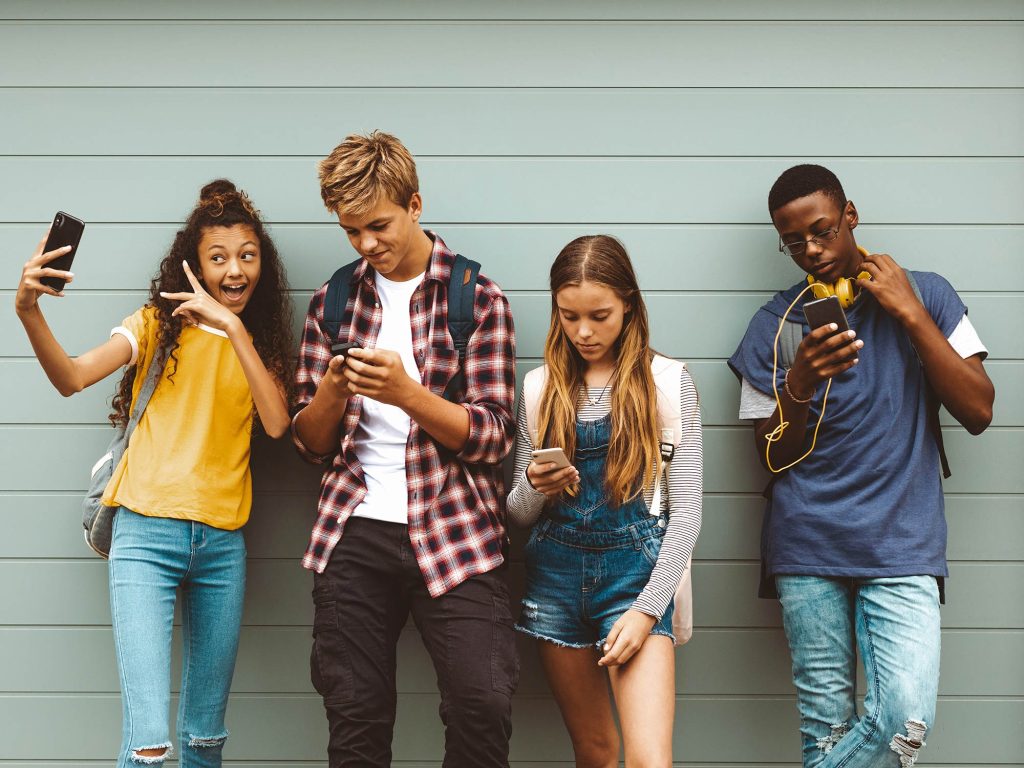
If you’ve overheard a child say “skibidi” and wondered whether it meant something, or nothing at all, you’re not alone. Gen Alpha, generally defined as kids born between 2010 and roughly 2015 and beyond, has developed a slang vocabulary that even Gen Z sometimes struggles to keep up with.

Also read: ‘Hard work, determination are key to excel’
Where Gen Z’s slang leaned on drag culture, AAVE, and early TikTok trends, Gen Alpha’s vocabulary has been shaped almost entirely by short-form video, meme culture, and gaming livestreams. Many of their words are deliberately absurd or nonsensical, built to be funny rather than meaningful, which is part of why parents and teachers often find it so hard to decode.
Why Gen Alpha’s Slang Feels So Different
Several factors explain why this generation’s vocabulary can feel like a different language entirely:
- Gen Alpha are the first generation to grow up entirely within the era of short-form video platforms like TikTok and YouTube Shorts.
- Much of their slang originates in gaming livestreams and meme formats rather than song lyrics or television.
- Many popular terms are intentionally silly or nonsensical, valued for being funny rather than for having a clear meaning.
- Words spread and burn out even faster than Gen Z slang did, since content moves through algorithmic feeds at high speed.
What’s Driving Gen Alpha’s Vocabulary
A few cultural forces show up again and again in Gen Alpha’s slang:
- Meme remixing. Words and phrases from viral videos, often involving absurd or exaggerated characters, get repeated until they become inside jokes shared by millions of kids at once.
- Gaming culture. Livestream and gaming communities contribute heavily, especially terms describing skill, failure, or in-game behavior.
- Borrowed Gen Z terms. A large portion of Gen Alpha slang is inherited directly from older Gen Z vocabulary, sometimes with slightly shifted meanings.
- Group identity. Like every generation before them, using shared slang helps Gen Alpha kids signal belonging and humor that adults aren’t quite in on.
List of Gen Alpha Slang Words
This guide breaks down why Gen Alpha’s slang looks and sounds so different from previous generations, what’s driving it, a full list of essential terms with explanations of how and where they’re used, and answers to common questions parents and educators ask.
1. Skibidi
A nonsense word from a viral meme series featuring a bizarre singing head emerging from a toilet. It doesn’t have one fixed meaning; kids use it to mean “bad,” “cool,” or nothing at all, depending entirely on tone and context, which is exactly why it confuses so many adults.
2. Sigma
Describes someone seen as independently cool, self-reliant, and unbothered by traditional social hierarchies. It’s loosely tied to an internet “personality type” framework and is often used half-jokingly to praise someone who does their own thing.
3. Gyatt
An exclamation reacting to something shocking, impressive, or eye-catching, often shouted for comedic emphasis. It originated in gaming and reaction-video culture and is now used broadly as an all-purpose exclamation of surprise.
4. Fanum tax
Refers to playfully “stealing” a bite of someone’s food without asking, based on a running joke from a popular livestreamer’s content. Kids now use the phrase anytime someone takes a portion of their food, even outside of the original context.
5. Rizzler
Someone with a lot of “rizz,” meaning natural charisma or flirting skill. It’s essentially a playful title given to someone who’s especially smooth or confident in social situations.
6. NPC
Short for “non-player character,” a term borrowed from video games to describe someone who seems to be acting robotically, repeating the same behavior, or lacking an original personality of their own.
7. Chicken jockey
An exclamation drawn from a viral movie trailer moment referencing a Minecraft in-game combination. It’s now shouted as a general catchphrase or reaction, often with little connection to its original meaning.
8. Skill issue
A teasing way of telling someone their failure is due to a lack of ability rather than bad luck or unfair circumstances. It’s most commonly used in gaming contexts to dismiss excuses after losing.
9. Ohio
Used to describe something strange, chaotic, embarrassing, or generally “off,” based on a meme trend portraying the state as a symbol of weirdness. Someone or something can be called “so Ohio” as a lighthearted insult.
10. Brainrot
Describes low-quality, repetitive, or nonsensical internet content, or jokingly refers to the mental state of having consumed too much of it. Kids might say they “have brainrot” after binge-watching short-form videos for too long.
11. Cringe
Embarrassing or uncomfortable to witness, whether it’s an awkward video, an outdated trend, or someone trying too hard. Gen Alpha tends to use this word even more frequently and broadly than Gen Z did.
12. Bussin’
Describes food, and occasionally other things, that are extremely good, most often used in quick reactions or reviews. It’s a direct carryover from Gen Z slang that Gen Alpha adopted almost unchanged.
13. Cooked
Means finished, doomed, or in serious trouble, usually said about someone who’s about to face consequences or has clearly failed at something. “Bro is cooked” implies there’s no coming back from the situation.
14. Dog water
Describes something extremely bad or low quality, most commonly used to mock poor performance in a video game. It’s a more intense, exaggerated version of simply calling something “bad.”
15. Mid
Average or unimpressive, especially when something was expected or hyped to be better. It’s a low-effort, dismissive way of saying something didn’t live up to expectations.
16. Sus
Suspicious or untrustworthy, a term carried over almost directly from Gen Z, originally popularized by the game Among Us. It’s used for anything from a shady classmate to an oddly specific online scam.
17. Cap / No cap
“Cap” means a lie or exaggeration, while “no cap” is used to insist something is true. Both terms are inherited from Gen Z but remain just as common in Gen Alpha conversations.
18. Slaps
Describes something, especially a song, that’s really good or hits harder than expected. “This song slaps” is one of the most common ways Gen Alpha praises music.
19. Delulu
Short for “delusional,” used playfully to describe someone holding onto an unrealistic hope, especially about a crush. It’s almost always used affectionately rather than as a genuine criticism.
20. Ick
A sudden, strong turnoff toward someone, usually triggered by one small, specific detail like a mannerism or habit. Once someone “gets the ick,” any romantic interest typically disappears instantly.
21. It’s giving…
Used to describe the vibe, aesthetic, or energy something gives off, followed by a description, as in “it’s giving chaos.” It’s flexible enough to serve as either a compliment or a gentle jab depending on what follows.
22. Hits different
Describes something that feels more intense, emotional, or meaningful than usual, often due to timing or mood. It’s typically used about music, memories, or specific moments that stand out from the ordinary.
23. Low-key / High-key
“Low-key” softens a statement, implying something is felt secretly or mildly, while “high-key” does the opposite, emphasizing that a feeling is obvious and strongly held.
24. On God
A way of swearing that something is completely true, similar to saying “I promise” or “for real.” It’s used to add weight and sincerity to a claim.
25. And did that
Confirms that someone followed through on a claim or boast, essentially saying “you said it, and you delivered.” It’s typically used as praise after someone succeeds at something they talked up beforehand.
26. Devious lick
Originally referred to stealing or vandalizing something from school as part of a viral prank trend, but it’s now used more loosely to describe taking something, often jokingly and without any real theft involved.
27. Crash out
Describes losing emotional control or acting destructively when upset, whether that means yelling, breaking something, or otherwise reacting dramatically. “He’s about to crash out” is often said as a warning that someone’s patience has run out.
28. Touch grass
A joking way of telling someone to step away from their screen and reconnect with the outside world, usually aimed at someone overly invested in an online argument or trend.
29. Ratio
Describes a situation where a reply to a social media post gets more engagement than the original post itself, implying the original poster said something unpopular or wrong. Being “ratioed” is generally seen as a public loss in an online exchange.
30. Glaze / Glazing
Refers to excessively praising or hyping someone up, sometimes to an uncomfortable or exaggerated degree. Calling someone out for “glazing” suggests their compliments have gone overboard.
31. OMG
Short for “oh my God” or “oh my gosh,” used to express surprise, excitement, or disbelief, much as it has for earlier generations.
32. OML
Short for “oh my lord,” used similarly to OMG, often to express shock or exasperation.
33. PMO
Short for “pissing me off,” used to express frustration or annoyance about a specific situation or person.
34. FR
Short for “for real,” used for emphasis to show a statement is sincere rather than exaggerated.
35. Bet
A casual way of agreeing to something or confirming plans, carried over directly from Gen Z slang.
36. W / L
Shorthand for a win or a loss, used to quickly react to any kind of success or failure, big or small.
37. GOAT
Short for “greatest of all time,” used to praise someone as the best in their category, whether that’s gaming, sports, or music.
38. Bruh
A flexible, all-purpose exclamation that can express disbelief, frustration, amusement, or mild disappointment, depending entirely on tone.
39. Pluh
A sound or word used to express indifference, disinterest, or mild disgust, often as a dismissive one word reaction.
40. Yeet
Means to throw something with a lot of force, or can be used simply as an exclamation of excitement or energy, often shouted while doing something bold or impulsive.
How Parents and Teachers Can Make Sense of It
- Ask instead of assuming. Most kids are happy to explain a slang term if asked directly, and it often opens up a fun conversation rather than an awkward one.
- Don’t overreact to nonsense words. Many of these terms, like “skibidi” or “Ohio,” aren’t meant to carry deep meaning; they’re absurdist humor by design.
- Watch for context, not just vocabulary. Tone and delivery often matter more than the literal definition of a word.
- Stay aware of terms tied to problematic content. A small number of slang terms have origins in inappropriate online trends, so it’s worth occasionally checking in on where a phrase came from.
Common Myths About Gen Alpha Slang
Myth: It’s all meaningless noise. While some terms are intentionally nonsensical, many others carry clear, consistent meanings within Gen Alpha’s social circles.
Myth: Gen Alpha invented all of it. A significant portion of their vocabulary is inherited directly from Gen Z slang, sometimes with slightly altered meanings.
Myth: Using this slang is a sign of a problem. For most kids, slang is simply a normal, age-appropriate way of bonding with peers, not a red flag on its own.
Gen Alpha Slang vs. Gen Z Slang
Gen Z slang tended to draw from music, drag culture, and early social media platforms like Vine and Tumblr, and it often carried clearer, more consistent meanings. Gen Alpha’s slang, by contrast, is shaped almost entirely by short-form video and gaming livestreams, leans more heavily into absurdist or nonsensical humor, and cycles through trends even faster thanks to algorithm-driven content feeds.
Frequently Asked Questions
What Age Range is Considered Gen Alpha?
Gen Alpha generally refers to children born from around 2010 through the mid 2020s.
What Does “Skibidi” Actually Mean?
It doesn’t have one fixed meaning. It originated from a viral animated meme series and is often used just for comedic effect rather than a literal definition.
Is Gen Alpha Slang the Same as Gen Z Slang?
Not entirely. Gen Alpha has borrowed and remixed a lot of Gen Z vocabulary, but has also developed its own set of terms rooted in newer meme and gaming culture.
Why Does Gen Alpha Slang Change So Quickly?
Because it spreads primarily through short-form video and algorithm-driven platforms, trends can rise and fall within weeks.
Should Parents Be Concerned About Brainrot Slang?
Not usually. Most of it is harmless generational humor, though it’s reasonable to occasionally check in on where specific terms or trends originated.
Leave a Comment