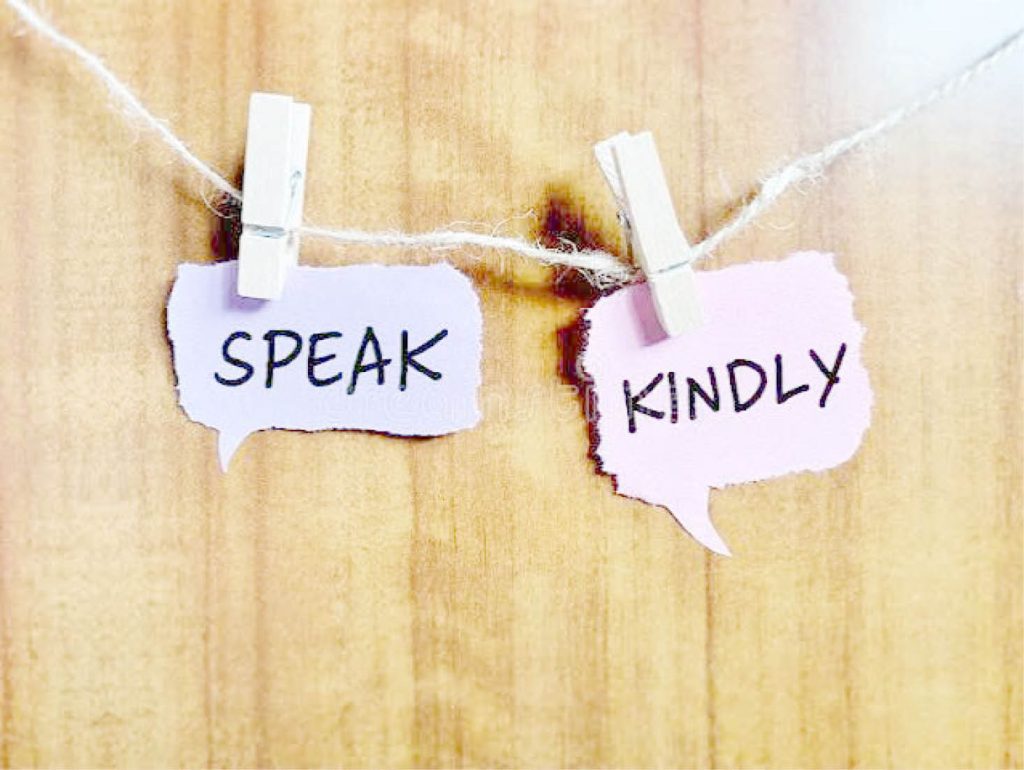
Words may be small, but they can have a big effect on how people feel. A simple “thank you” can brighten someone’s day, while a careless comment can leave a person feeling hurt for a long time. Learning to speak kindly is an important skill that helps us build friendships, solve problems and make others feel valued.
Words can make a difference
Also read: Sustainability terms you need to know
Imagine arriving at school feeling tired and worried about an examination. Just when you think nobody notices, a classmate smiles and says, “You can do it. I believe in you!” Those few words might give you the courage to try your best.
Now imagine making a mistake in class and hearing everyone laugh at you. Instead of feeling encouraged to learn, you might become afraid to answer questions again.
This is why the way we speak matters. Our words can encourage people or discourage them, bring friends closer or create unnecessary arguments.
Speaking kindly does not mean that we must agree with everyone. It means expressing our thoughts without deliberately hurting or embarrassing others.
Kindness starts with listening
Sometimes, people speak harshly because they are angry, frustrated or eager to prove that they are right. Before responding to someone, it helps to pause and think.
Ask yourself: Is what I want to say helpful? Could I express it in a better way? Am I trying to solve the problem or simply hurt the other person?
Listening is also part of kind communication. When a friend is talking about a problem, allow them to finish instead of interrupting or making fun of their feelings. You may not have a solution, but paying attention can show that you care.
Simple expressions such as “please,” “thank you,” “I am sorry” and “Are you okay?” can make everyday conversations warmer. However, kindness is not only about using polite words. It is also about speaking honestly, showing respect and considering how others may feel.
What about disagreements?
Even good friends disagree sometimes. You may dislike a classmate’s idea, feel upset about a joke or believe that someone has treated you unfairly. You do not have to pretend that everything is fine.
Instead of saying, “You are so foolish,” you could explain, “I do not agree with what you said, and here is why.” Rather than shouting, you can ask to discuss the matter when everyone is calmer.
If you hurt someone with your words, take responsibility. A sincere apology is better than saying, “I was only joking,” when the other person is clearly upset.
Remember, too, that speaking kindly does not mean allowing others to mistreat you. You can firmly tell someone to stop, stand up for yourself and seek help from a trusted adult when necessary.
Make kindness a habit
You can practise kind speech at home, in school, online and everywhere you meet people. Compliment someone sincerely, encourage a classmate who is struggling and avoid spreading hurtful rumours. Before posting a comment online, think about whether you would say the same thing to the person’s face.
You will not always get it right. Everyone makes mistakes, but you can learn to choose your words more carefully.
Kindness does not cost money, require special talent or take a lot of time. Sometimes, all it takes is a little patience and the decision to treat others with respect.
Your words may be forgotten eventually, but the way you make people feel can stay with them. Choose words that help others feel seen, respected and encouraged. A kinder world can begin with the way you speak today.
Leave a Comment