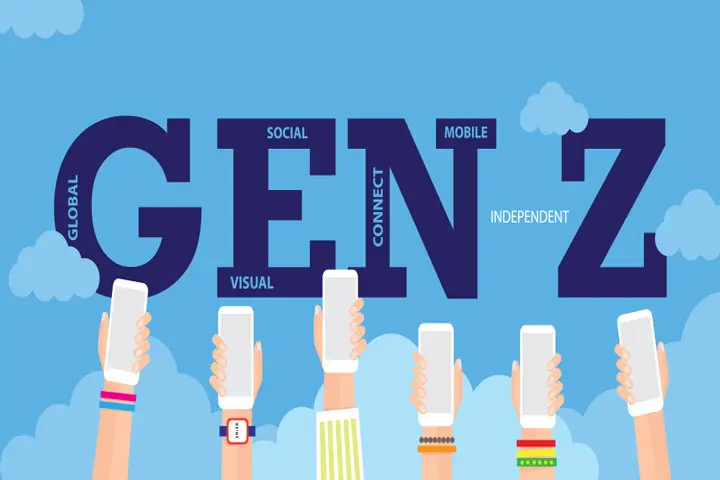
If you’ve ever been mid conversation with a teenager or twenty-something and suddenly felt like they switched to another language, you’re not imagining it. Gen Z has built its own vocabulary out of TikTok trends, gaming culture, meme humor, and internet shorthand, and it changes faster than most people can keep up with.

Also read: How to create the perfect girl wardrobe
Gen Z slang draws from many sources: African American Vernacular English, drag culture, K-pop fandoms, gaming communities, and viral TikTok sounds. New words appear almost weekly, and older ones quietly fall out of favor once they go mainstream. That constant churn is part of the appeal. It’s a way for young people to build an identity and a sense of belonging that adults haven’t caught onto yet.
In this guide, we’ll walk through why this vocabulary matters, what shapes it, and a full breakdown of 50 essential Gen Z slang words and phrases, organized so they’re easy to reference, with an explanation of how and why each one is used.
Why Understanding Gen Z Slang Matters
Being able to follow Gen Z’s vocabulary is useful for more than casual conversation. It helps you:
- Understand what’s actually being said in texts, comments, and captions.
- Follow trending content on TikTok, Instagram, and X without feeling lost.
- Communicate more naturally with younger family members, students, or employees.
- Avoid misreading a joke as an insult, or vice versa.
- Stay relevant if you work in marketing, education, or youth facing fields.
Dismissing slang as “just nonsense” often creates distance between generations. Learning it, even a little, signals genuine interest rather than judgment.
What Shapes Gen Z’s Vocabulary?
Gen Z slang doesn’t appear out of nowhere. It’s shaped by a mix of cultural forces, including:
- Short-form video platforms like TikTok, where a single sound or phrase can spread to millions of users in days.
- Online gaming communities, which have long produced their own shorthand.
- Black and queer cultural expression, which has historically driven much of American slang.
- K-pop and international fan communities, which introduce new terms and remix existing ones.
- A general preference for irony, exaggeration, and humor over literal meaning.
Because so much of this language spreads through video and audio rather than text, pronunciation and delivery often matter as much as the words themselves.
50 Gen Z Slang Words and What They Mean
Understanding this generation isn’t just about sounding “cool.” Slang is one of the clearest windows into how young people think, joke, and connect with each other. Whether you’re a parent trying to decode a text message, a teacher trying to stay relatable, or a brand trying to speak to a younger audience, having a working knowledge of Gen Z slang makes communication a lot smoother.
1. Vibe
The overall mood or feeling of a person, place, or moment. It’s one of the most flexible words on this list because it can describe anything from a room’s atmosphere to a person’s general energy, and it works equally well as praise (“good vibes”) or criticism (“bad vibes”).
2. Rizz
Charisma, particularly the ability to flirt smoothly and confidently. The term became so widespread that it was named Oxford’s 2023 Word of the Year, and it’s now used loosely to describe anyone who’s naturally likable or persuasive, not just in romantic contexts.
3. Simp
Someone who is overly devoted to a person they’re attracted to, often to the point of doing favors or showing excessive attention without much in return. It started in online gaming and meme communities and is usually used teasingly rather than as a serious insult.
4. Flex
Showing off money, achievements, or possessions, whether subtly or obviously. It can be used as a verb (“stop flexing”) or a noun (“nice flex”), and it’s often used sarcastically to call out someone who’s clearly trying to impress others.
5. Drip
A stylish, put-together outfit or overall look, borrowed from hip-hop and streetwear culture. Someone with “drip” is dressed well enough to draw attention, and the word can also describe accessories, shoes, or an entire personal style.
6. Receipts
Screenshots, messages, or other evidence used to prove a claim, most often during online arguments or callouts. The term treats digital proof like a literal receipt: something you can pull out to settle a dispute over what was actually said or done.
7. Main character energy
Acting with the confidence of someone who is the star of their own story, rather than a background character in someone else’s life. It’s often used to describe a bold outfit, a confident decision, or simply someone carrying themselves with unusual self-assurance.
8. Glow-up
A dramatic, positive transformation in appearance, style, or confidence, usually shown through before-and-after comparisons on social media. It can refer to a physical change, but is increasingly used for personal growth or lifestyle improvements too.
9. W
Short for “win,” used to celebrate any kind of success, big or small. It’s often paired with an exclamation point or repeated for emphasis (“W W W”) and works for anything from a personal achievement to a piece of good news.
10. L
Short for “loss,” the direct opposite of a W. It’s used to acknowledge a failure, disappointment, or embarrassing moment, sometimes seriously and sometimes as a lighthearted way of poking fun at a friend.
11. Ghost
To suddenly stop responding to someone with no explanation, most commonly in the context of dating or friendships. The term evokes the idea of someone vanishing without a trace, and being “ghosted” is generally understood as a frustrating, one sided way to end contact.
12. Stan
To be an enthusiastic, devoted fan of someone, especially a celebrity or musician. The word originated from an Eminem song about an obsessive fan and has since been reclaimed as a mostly positive term for passionate fandom, often used in K-pop and pop music communities.
13. Serve
To deliver an excellent look, performance, or moment, especially in fashion or on camera. It’s frequently paired with a specific description, as in “she served elegance,” and comes from ballroom, where “serving” a look has long been a form of praise.
14. Spill the tea
To share gossip or juicy information, often used as a direct request (“spill the tea”) when someone wants details about a situation. The phrase comes from Black culture, where “tea” has long been slang for gossip or truth.
15. Ate (and left no crumbs)
To do something exceptionally well, with no room left for criticism. The imagery suggests someone performed so completely and flawlessly that there’s nothing left over to critique, similar to finishing a meal without leaving a single crumb.
16. Bet
A casual way of agreeing to something or confirming plans, similar to saying “okay” or “deal.” It works as a one-word response to almost any suggestion and can also be used sarcastically to express doubt, depending on tone.
17. Touch grass
A joking way of telling someone to step away from their screen and get outside, usually aimed at someone who seems overly invested in an online argument or trend. It implies the person has lost touch with reality by spending too much time online.
18. Hype (someone/something) up
To build excitement or enthusiasm around a person, event, or piece of content before it happens. Being “hyped up” by friends is often seen as a supportive, encouraging act, while something that’s “overhyped” failed to live up to the excitement built around it.
19. Cancel
To publicly withdraw support from a public figure, brand, or piece of content after they’ve said or done something considered offensive or harmful. “Cancel culture” refers to the broader pattern of this kind of public backlash playing out on social media.
20. Slay
To do something impressively well, whether it’s a performance, an outfit, or handling a difficult situation with confidence. It’s one of the most widely used compliments in Gen Z vocabulary and works in almost any context where someone wants to express admiration.
21. Lit
Exciting, fun, or impressive, most often used to describe parties, music, or events with high energy. Something described as “lit” is generally understood as memorable in a good way.
22. Cringe
Something so awkward or embarrassing it’s uncomfortable to watch or think about. It’s used both as an adjective (“that was cringe”) and increasingly as a dismissive one-word reaction to something someone finds try-hard or outdated.
23. Sus
Suspicious or untrustworthy, popularized by the online game Among Us, where players had to identify a hidden impostor. It’s now used broadly for anything that seems shady, off, or worth questioning.
24. Fire
Excellent or impressive, especially when describing music, style, or food. It functions similarly to “lit” or “slay,” and is one of the more universally understood compliments across different slang generations.
25. Mid
Average, unimpressive, or disappointing, especially when something was expected to be better. Calling something “mid” is a low-effort way of saying it simply didn’t live up to the hype.
26. Delulu
Short for “delusional,” used playfully to describe someone holding onto unrealistic hopes, especially about a crush or a long-shot outcome. It’s rarely meant as a harsh criticism; instead, it’s often used affectionately or self-deprecatingly.
27. Lowkey
Mildly, secretly, or without wanting to draw too much attention to a feeling or opinion. It softens a statement, as in “I lowkey love this song,” suggesting the feeling is real but not something being loudly announced.
28. Highkey
The opposite of lowkey: openly, obviously, and without hiding a feeling or opinion. If lowkey downplays something, highkey emphasizes it, as in “I highkey need a nap.”
29. Salty
Bitter or annoyed, usually about something relatively minor, like losing a game or being teased. It implies the irritation is a bit disproportionate to the situation, often used to gently call someone out for holding onto a small grudge.
30. Based
Confidently expressing an opinion, especially one that goes against the mainstream or is considered blunt or unapologetic. Calling someone “based” is a way of respecting their honesty, even if you don’t necessarily agree with what they said.
31. Cheugy
Outdated or trying too hard to seem trendy, often used to describe styles, phrases, or habits associated with millennials. It’s a way of marking something as no longer cool without being overtly harsh about it.
32. Bussin‘
Describes food that tastes extremely good, most often used in casual reviews or reactions to a meal. It’s one of the more food-specific slang terms and rarely used outside of that context.
33. Extra
Overdramatic, excessive, or doing more than a situation calls for. Someone being “extra” isn’t necessarily doing anything wrong, just responding with more intensity or flair than expected.
34. Unbothered
Calm, composed, and unaffected by drama, criticism, or chaos happening around someone. Being described as unbothered is generally seen as a compliment, suggesting confidence and emotional control.
35. Shook
Shocked or emotionally caught off guard by unexpected news or an event. It’s an exaggerated reaction word, often used for both genuinely surprising news and minor surprises played up for effect.
36. No cap
“I’m not lying” or “for real,” used to emphasize sincerity after a statement that might otherwise sound exaggerated. Its opposite, “cap,” is used to call out a lie or exaggeration.
37. It’s giving…
Used to describe the specific vibe, aesthetic, or energy something gives off, followed by a noun or description, as in “it’s giving main character energy.” It’s a flexible sentence structure that can express approval or gentle mockery depending on what follows.
38. I’m dead / I’m screaming
An exaggerated reaction to something extremely funny or shocking, implying the reaction was so strong it felt overwhelming. Neither phrase is meant literally; they’re both hyperbole for genuine amusement or disbelief.
39. Big yikes
Expresses secondhand embarrassment or discomfort, typically in reaction to someone else’s awkward or poorly judged moment. It’s a stronger, more emphatic version of simply saying “yikes.”
40. The audacity
Expresses disbelief at someone’s boldness, usually when that boldness feels inappropriate or out of line. It’s typically delivered with a sense of mock outrage rather than genuine anger.
41. We move
Acknowledges a setback or disappointment while signaling a choice to stay resilient and keep going rather than dwell on it. It’s often used after something minor goes wrong, paired with a shrug-it-off attitude.
42. Say less
“I understand, no need to explain further,” used to confirm agreement quickly and enthusiastically. It’s typically a positive response to an invitation or suggestion.
43. It hits different
Describes something that feels more meaningful, emotional, or impactful than it normally would, often due to timing or context. A song might “hit different” late at night, or after a specific personal experience.
44. Sleep on
To underestimate or overlook someone or something, usually followed by a warning not to make that mistake, as in “don’t sleep on this album.” It implies the underestimated thing deserves more credit than it’s getting.
45. Periodt
Used to emphasize finality in a statement, similar to saying “and that’s that” or “end of discussion.” It comes from Black culture and adds a punctuating, confident tone to whatever was just said.
46. FR
Short for “for real,” used to emphasize that a statement is sincere and not exaggerated. It’s often repeated for extra emphasis, as in “FR FR.”
47. IYKYK
“If you know, you know,” used when referencing an inside joke or niche experience that only certain people will fully understand or find funny. It signals shared context without needing to explain it.
48. NPC
Short for “non-player character,” a video game term now used to describe someone acting robotic, unoriginal, or as if they’re just following a script rather than thinking for themselves.
49. FOMO
Short for “fear of missing out,” describing the anxious feeling of being left out of something fun or important that others are experiencing. It’s often used to explain why someone said yes to plans they otherwise would have skipped.
50. HMU
Short for “hit me up,” a casual invitation to get in touch or make plans. It’s commonly used at the end of a message to leave the door open for future contact.
How to Use Gen Z Slang Without Sounding Forced
Dropping slang into conversation naturally takes a bit of practice. A few tips:
- Use it sparingly. Overusing slang, especially several terms in one sentence, tends to read as trying too hard.
- Pay attention to tone. Many of these words rely on delivery and context, not just the words themselves.
- Let younger people set the pace. If a term feels unfamiliar, it’s fine to ask what it means rather than guessing.
- Know that slang expires quickly. A word that was popular a year ago may already feel dated, so treat any list, including this one, as a snapshot in time.
Common Myths About Gen Z Slang
Myth: Slang is just meaningless noise. In reality, most slang terms carry specific, consistent meanings within their communities, even if they sound silly out of context.
Myth: Using slang makes you seem younger or more relatable. Poorly timed or outdated slang often has the opposite effect, especially with the generation it’s borrowed from.
Myth: Gen Z invented all of it. Much of this vocabulary has roots in African American Vernacular English, ballroom culture, and earlier internet slang. Gen Z has popularized and remixed it, not created it from scratch.
Gen Z Slang vs. Millennial Slang
Millennial slang, like “on fleek,” “adulting,” or “extra AF,” tended to spread through blogs, early Twitter, and Tumblr. Gen Z slang spreads primarily through short form video, meaning pronunciation, sound bites, and visual context matter more than text alone. Millennial slang also tends to stick around longer, while Gen Z terms often burn out within months as new trends replace them.
Frequently Asked Questions
What Are the Top 10 Gen Z Words?
Some of the most recognizable include slay, sus, no cap, bet, vibe, stan, fire, flex, lowkey, and rizz.
Is Gen Z Slang the Same Everywhere?
No. While social media spreads terms globally, usage and popularity can vary by country, region, and online community.
Why Does Gen Z Slang Change So Quickly?
Because it spreads primarily through short-form video platforms, trends move fast, and terms can feel “used up” once they reach a mainstream audience.
Is It Okay for Adults to Use Gen Z Slang?
Yes, in the right context. It’s best used casually and sparingly rather than forced into every sentence.
Where Can I Keep Learning New Slang Terms?
Following youth culture publications, social platforms directly, or slang-tracking sites can help you stay current, since new terms emerge constantly.
Leave a Comment