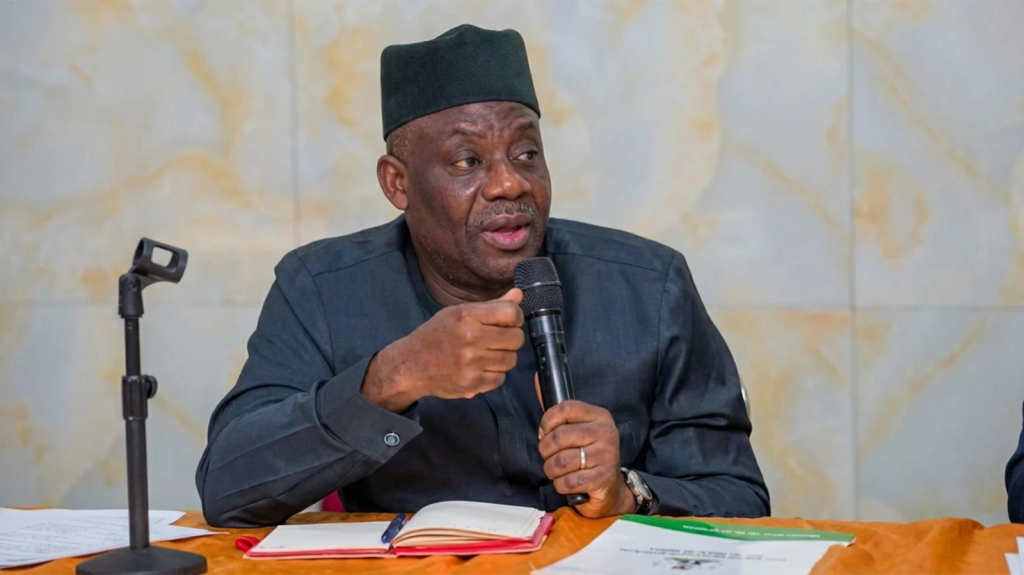
The Federal Government has announced plans to scrap the long-standing Junior Secondary School (JSS) and Senior Secondary School (SSS) structure as part of efforts to address Nigeria’s worsening education crisis, which has left more than 20 million children out of school.
Also read: Al-Bayyinah students visits Media Trust Group
Minister of Education, Dr. Tunji Alausa, made the announcement on Tuesday during the inauguration of the Universal Basic Education Commission (UBEC) Ministerial Implementation and Monitoring Committee in Abuja.
According to the minister, the current policy separating junior and senior secondary education has failed to achieve its objectives and has instead created barriers that prevent millions of children from progressing beyond primary school.
Alausa revealed that Nigeria currently has about 80,000 public primary schools but only around 15,000 junior secondary schools, creating a significant gap in access to basic education.
“We have over 20 million children dropping out between primary school and junior secondary school. We also discovered that we have 80,000 public primary schools and only about 15,000 junior secondary schools. That one-to-eight ratio is unacceptable,” he said.
The minister explained that the shortage of junior secondary schools has led to overcrowded classrooms, while many senior secondary schools remain underutilised.
He described the JSS-SSS structure, introduced in 1982 under the 6-3-3-4 education system, as a policy that has failed to deliver its intended objectives.
“This disarticulation policy has failed. We will phase it out because our priority is to do what is best for every Nigerian child, not to preserve an administrative arrangement that is no longer working,” Alausa stated.
He disclosed that the proposal to abolish the policy would be presented at the next meeting of the National Council on Education for consideration and approval.
The minister said the reform is part of the Federal Government’s broader efforts to improve access to education, reduce the number of out-of-school children and strengthen learning outcomes across the country.
Alausa also raised concerns over Nigeria’s growing learning poverty, revealing that three out of every four children at the basic education level cannot read and understand an age-appropriate text by the age of 10.
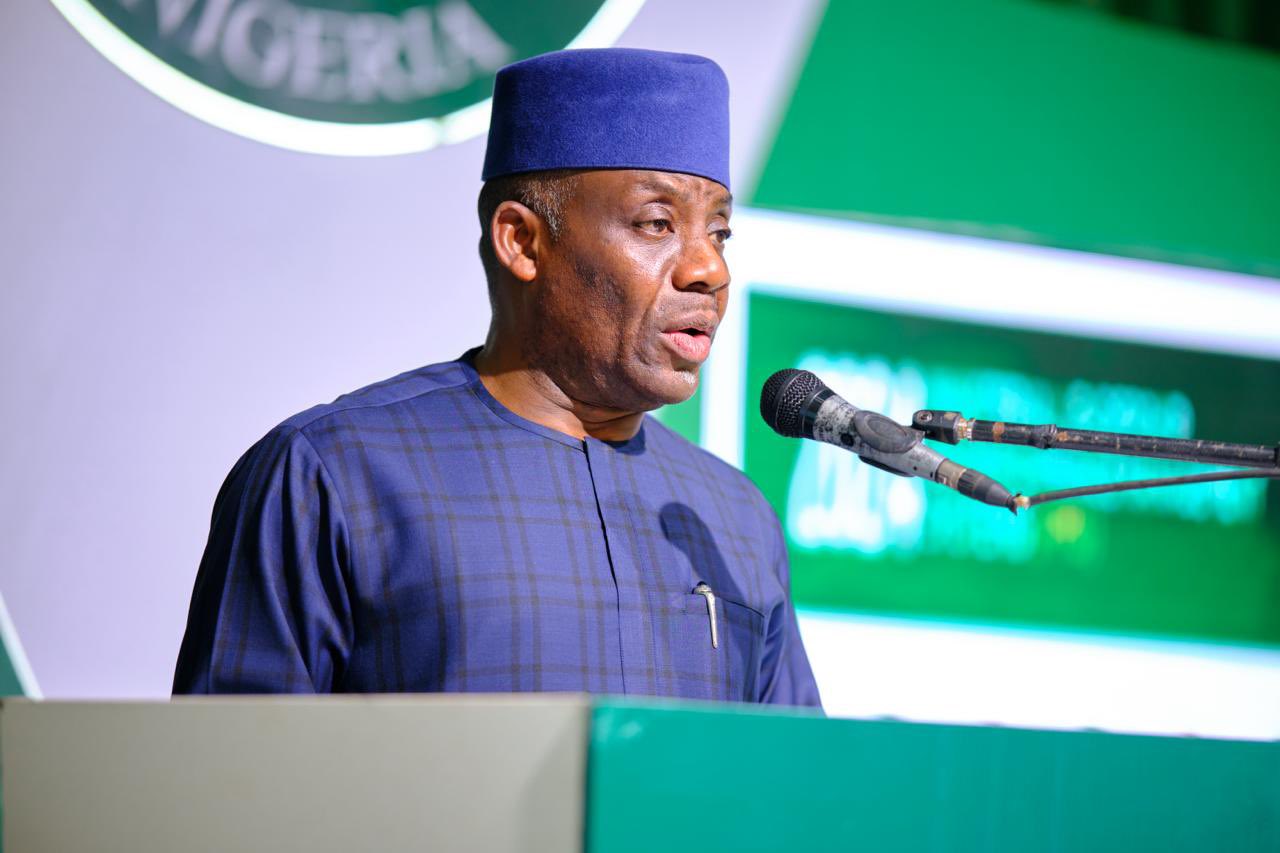
Speaking at the Federal Ministry of Education and UBEC Roundtable on Digital Resources for Learning Outcomes, he described the statistics as alarming and called for urgent reforms.
“Learning poverty means that by the age of 10, a child cannot read and understand an age-appropriate text. In Nigeria today, three out of every four children are learning poor. That is simply unacceptable,” he said.
To tackle the challenge, the minister urged state governments to embrace digital learning solutions already developed by the Federal Government, including the Nigeria Learning Passport, Inspire, Ignite, EduRevamp, E-Learn, the Greenfield Learning Management System and virtual classroom platforms.
He stressed that technology would play a critical role in transforming teaching and learning across Nigeria, particularly in rural communities with limited access to quality education.
According to Alausa, the proposed reforms are aimed at ensuring that every Nigerian child has access to quality education and better learning opportunities, regardless of their location.
1 Comment
Adamawa Relocates NECO Centres Over Security Fears – Teen Trust News
[…] affected schools include Government Day Secondary School, Kwabapale, Kuburshosho, Kirchinga, Wagga, Shuwa, Guyaku, Dzangola, Garaha, Mukuvinyi, Gawkilba, […]
Leave a Comment