By Al-Mustapha A. Mustapha
When the rainy season starts in Nigeria, many people are happy. The air becomes cooler, and plants grow well. But sometimes, heavy rain also brings a big problem — flooding.
Also read: Important of self-reliance
In some areas, roads fill up with water, traffic slows down, and even homes can get flooded. While many people blame the rain, there is another hidden cause that people often forget — rubbish.
Have you ever seen empty water sachets, snack wrappers, or plastic bottles on the ground at school or by the roadside? They may look harmless, but they can cause serious problems later.
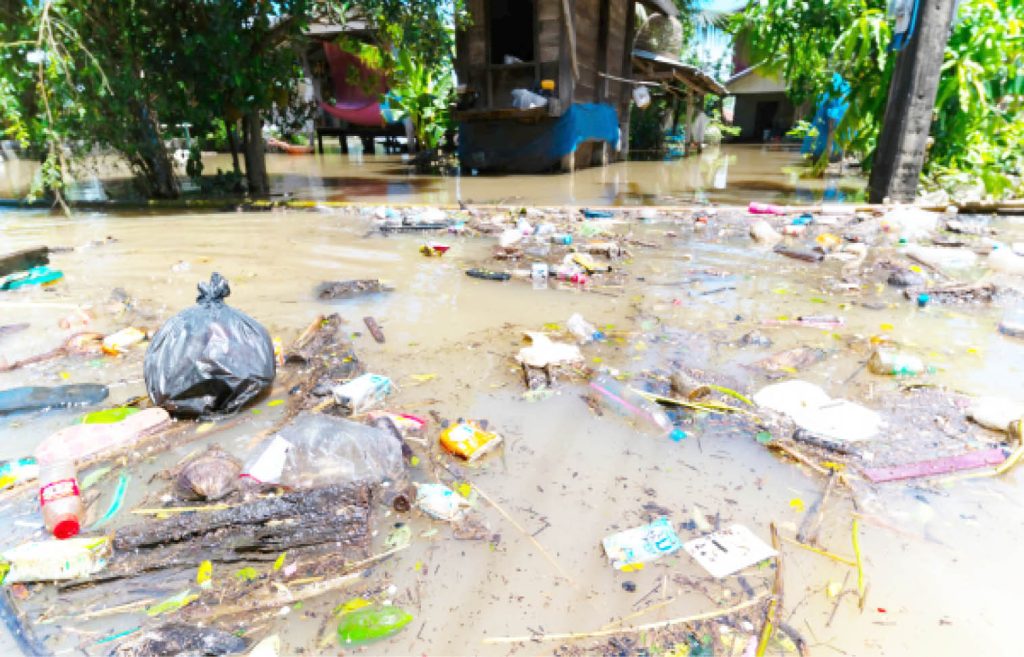
When rain falls, water moves across the ground and carries these items into gutters and drainage channels. Slowly, the waste builds up and blocks the flow of water. When this happens, the water has nowhere to go, so it overflows onto roads and into homes.
This is how flooding begins.
Experts explain that drains are supposed to help rainwater flow safely away. But when they are blocked with plastic and trash, they stop working properly. That is when streets turn into “mini rivers” during heavy rain.
Flooding can affect students in many ways. It can make it hard to walk or travel to school. Sometimes, schools may even close for a while. Books, uniforms, and school bags can get damaged. Floodwater can also bring mosquitoes and make people sick.
But here is the important part — many of these problems can be prevented by simple actions.
Every student has a role to play. Throwing waste into a bin instead of on the ground is a small action that makes a big difference. Encouraging friends not to litter is also helpful. Even joining school clean-up activities can protect the environment.
Teachers and parents also help by making sure bins are available and by teaching children good habits early.
The truth is, rubbish does not disappear. A small wrapper thrown today can travel with rainwater and end up blocking a drain tomorrow.
So the next time you finish a drink or snack, pause for a second and ask yourself, ‘Where will this go?’
Because sometimes, one small piece of plastic can be part of a much bigger flood problem.
And sometimes, keeping your community safe starts with something as simple as using a bin.
Leave a Comment