By Hassan Babatunde Idris, Teacher, I-Scholars International Academy, Abuja
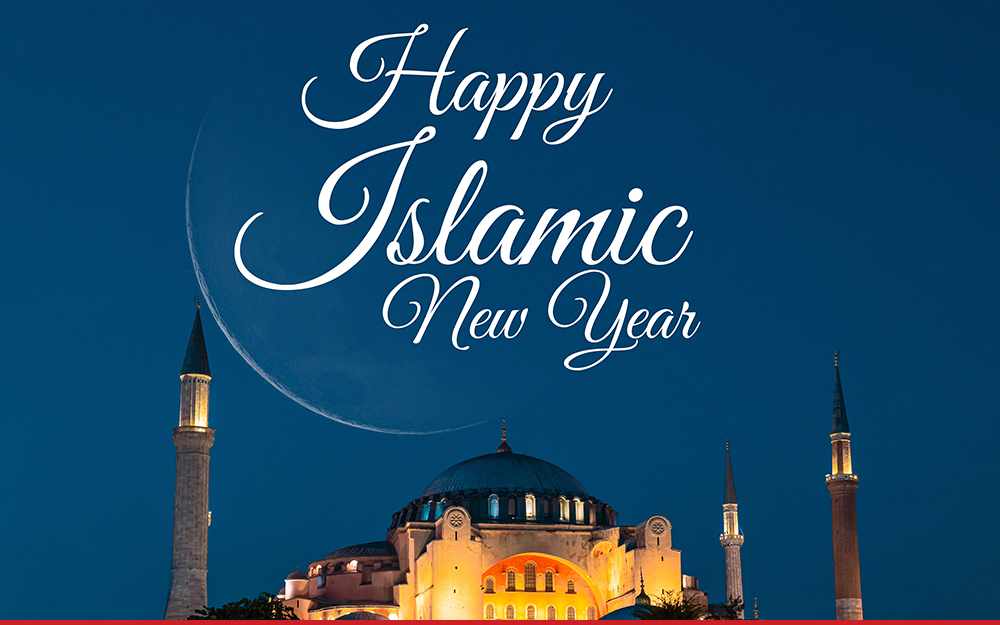
The Islamic New Year marks the beginning of a new year in the Islamic calendar. The year 1448 AH reminds Muslims around the world of the historic migration (Hijrah) of Prophet Muhammad (SAW) from Mecca to Medina. This event was so significant that it became the starting point of the Islamic calendar. The Islamic New Year is therefore a time for reflection, gratitude, and spiritual renewal.
Also read: Developing leadership skills in high school
The importance of the Islamic New Year lies in its reminder of faith, sacrifice, and obedience to Allah. It encourages Muslims to evaluate their lives, strengthen their relationship with Allah, and make positive changes. It is not merely a celebration but also an opportunity for self-improvement and a renewed commitment to Islamic values.
One of the greatest lessons from the Hijrah is perseverance. Despite facing persecution, insults, and hardship in Mecca, Prophet Muhammad (SAW) remained steadfast in his mission. His patience and determination show that success often comes after enduring challenges with faith and courage.
Another important lesson is complete trust in Allah. During the journey to Medina, the Prophet and his companion, Abu Bakr, faced many dangers. Yet the Prophet remained calm because he trusted fully in Allah’s protection. Muslims learn from this example to place their trust in Allah during difficult times.
The Islamic New Year also highlights the importance of sacrifice. Prophet Muhammad (SAW) left his beloved homeland, family, and possessions for the sake of preserving and spreading Islam. This reminds Muslims that serving Allah may require sacrifices, but such sacrifices bring great rewards.
The Prophet’s migration also demonstrated outstanding leadership and planning. Although he relied on Allah, he took practical steps to ensure the success of the journey. This teaches Muslims the importance of combining faith with careful planning and hard work.
Unity and brotherhood are among the most important lessons of the Hijrah. In Medina, the Prophet established strong bonds between the Muhajirun (migrants) and the Ansar (helpers), creating a united Muslim community. Muslims today are encouraged to promote unity, cooperation, and mutual support regardless of ethnic or cultural differences.
The life of Prophet Muhammad (SAW) also teaches compassion and forgiveness. Even after years of persecution, he showed mercy to many of his former enemies. This lesson encourages Muslims to forgive others, avoid hatred, and work towards peace and reconciliation.
The Islamic New Year further reminds Muslims of the importance of good character. The Prophet was known for his honesty, kindness, humility, and justice. These qualities earned him respect even among those who disagreed with him. Muslims are encouraged to follow his example in their daily lives.
For young Muslims, the New Year is a time to set spiritual goals. They can strive to improve their prayers, increase their knowledge of Islam, respect their parents, help those in need, and contribute positively to their communities. Small acts of goodness can lead to lasting positive change.
The lessons of the Hijrah are not only for Muslims but for the entire world. Values such as perseverance, tolerance, justice, cooperation, and peaceful coexistence are universal principles that can help build stronger and more harmonious societies. The example of Prophet Muhammad (SAW) continues to inspire people from different backgrounds.
In conclusion, the Islamic New Year 1448 AH is a significant occasion that reminds Muslims of the historic Hijrah and its timeless lessons. It encourages faith, patience, sacrifice, unity, and good character. By reflecting on the life of Prophet Muhammad (SAW) and applying these lessons, Muslims and people around the world can work towards a more peaceful, compassionate, and prosperous future.
Leave a Comment