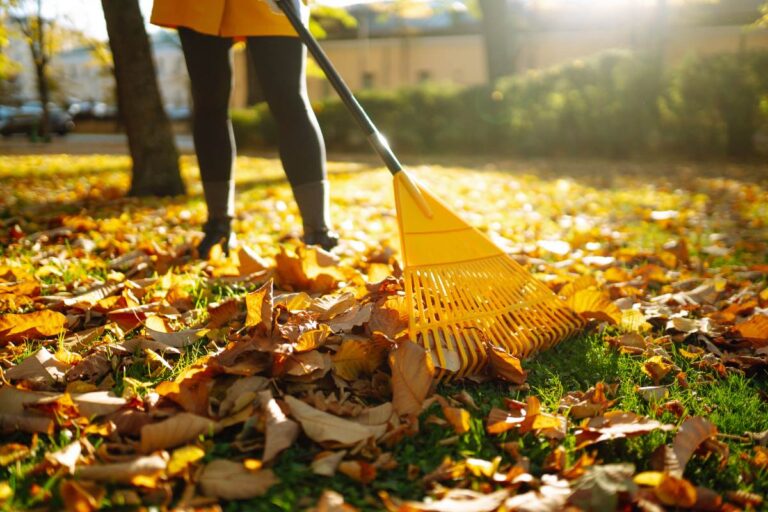
Have you ever walked past a tree and noticed a carpet of brown, yellow and orange leaves scattered across the ground? You might have stepped on them and heard a satisfying crunch beneath your shoes. But have you wondered what happens to those leaves after they fall? Fallen leaves may look like rubbish that needs to be swept away, but they have an important job to do. They help nature recycle nutrients, feed tiny organisms and keep the soil healthy.
Why do leaves fall?
Leaves help trees make food using sunlight, water and air. However, some trees lose their leaves during certain seasons.
Also read: The truth about teachers
In places with cold winters, many trees shed their leaves when the weather changes and sunlight becomes less available. This helps them save water and energy until conditions improve.
In Nigeria, many trees also shed leaves, particularly during the dry season, although the timing depends on the type of tree and the local weather. Once leaves fall, their journey is far from over.
The great breakdown
After reaching the ground, fallen leaves begin to break down through a process called decomposition. This happens with the help of tiny living things such as fungi and bacteria.
Earthworms, termites, millipedes and other small creatures also help by eating, chewing or breaking up dead plant material.
Over time, the leaves become smaller and mix with the soil. Their nutrients are released and can be used by plants again.
It is nature’s way of recycling! Instead of allowing useful materials to go to waste, the environment turns old leaves into something that supports new life.
Fallen leaves feed the soil
As leaves decompose, they help form a dark, crumbly material called humus. Humus improves the soil by helping it hold water and providing a better environment for plant roots and useful soil organisms.
This is one reason fallen leaves can be valuable in gardens. When collected and composted properly, they can become part of a natural fertiliser that helps plants grow.
Farmers and gardeners can use compost made from leaves and other suitable organic materials to improve their soil.
So, the next time you see a pile of fallen leaves, remember that it may be helping a plant grow, even though it no longer hangs from a tree.
A home for little creatures
Fallen leaves also provide shelter for small animals and insects. Some creatures hide beneath them to escape the sun, find food or protect themselves from danger.
In forests and gardens, leaf litter creates a tiny world full of life. It can provide hiding places for beetles, spiders and other small creatures that play important roles in the ecosystem.
Removing every fallen leaf from natural areas can disturb these creatures and take away part of their habitat.
Should we leave every leaf on the ground?
Not always. Fallen leaves can block drains, make walkways slippery when wet or create problems when piled against buildings. It is important to keep paths and drainage channels clear.
However, instead of burning dry leaves, which produces smoke and pollutes the air, you can ask an adult about composting them or using them as mulch around suitable plants.
Never handle unknown plants, fungi or insects with bare hands, and always ask an adult before starting a compost pile.
Nothing goes to waste!
Fallen leaves remind us that nature has clever ways of reusing things. What looks old or useless can become food for the soil, shelter for tiny creatures and nourishment for new plants.
The next time you see leaves scattered beneath a tree, take a closer look. You might be watching the beginning of a new cycle of life.
Nature’s lesson: Even when something seems to have reached the end of its journey, it can still be useful. Fallen leaves may be finished growing on a tree, but they continue to help the world around them.
Leave a Comment