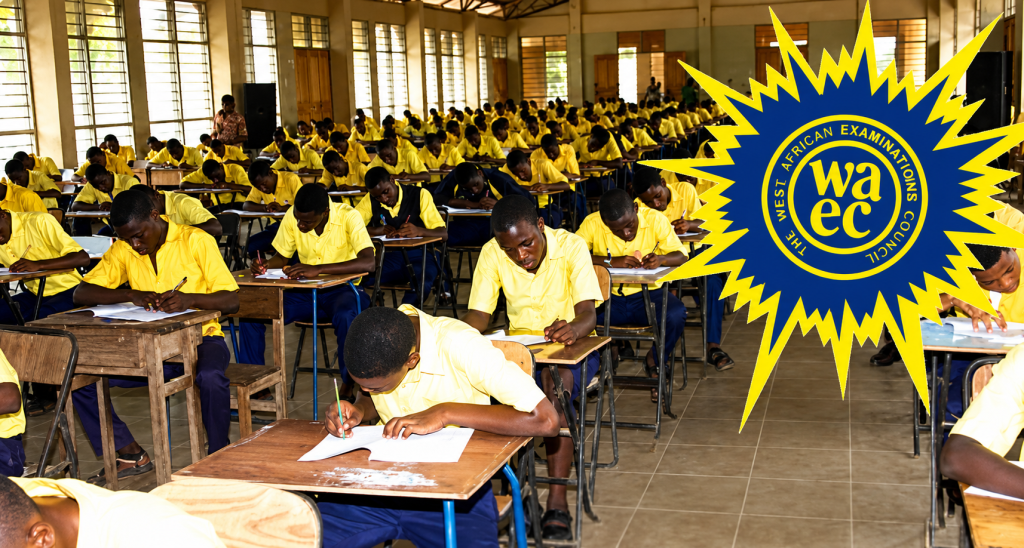
For some Nigerian schools, the release of the 2026 West African Senior School Certificate Examination results was expected to be a moment of celebration.Instead, it opened the door to a storm of questions.
School administrators, education advocates and civil society groups have begun challenging the results, particularly where students who had built strong academic records suddenly received surprisingly poor grades in key subjects.
Also read: Making Nigerian children better citizens through technology
At the centre of the controversy is a troubling question: Can students who consistently excelled throughout their secondary education suddenly become failures in their final examination?
One of the schools raising the alarm is Impact House Model Schools in Mowe, Ogun State. According to its director, Sam Abdulazeez, the school’s academic history makes this year’s results difficult to understand.
The school had built a strong reputation for Mathematics and English Language. In 2024, all 45 of its candidates who sat for Mathematics reportedly obtained A1 grades. The school’s students also performed strongly in the 2026 Unified Tertiary Matriculation Examination, with more than 30 of its 69 candidates scoring above 300. None reportedly scored below 200.
Then came the WASSCE results.
Only three or four candidates reportedly obtained A1 in Mathematics, while performances in English Language and other core subjects also fell sharply.
For Abdulazeez, the contrast was almost impossible to explain.
“Our best students cannot suddenly become failures,” he said, questioning whether something went wrong in the examination or grading process.
The concerns extend beyond one school. Another administrator claimed that some students with impressive UTME scores and previous academic success received D7, E8 and F9 grades in core subjects. Two students who had already secured admission into the University of Ibadan were reportedly recorded as failing Mathematics and English Language in their WASSCE results.
The controversy has also drawn attention to WAEC’s expanding use of Computer-Based Testing, the introduction of serialised question papers and concerns surrounding examination technology and result processing.
Some schools say they experienced technical difficulties during CBT trials, including problems connecting examination systems to WAEC servers. These experiences have fuelled calls for an independent examination of the process.
The dispute has now moved beyond school gates and into the legal arena.
The Initiative for School Excellence and Education Foundation, through its lawyers, has demanded that WAEC preserve electronic examination records, including candidate response databases, server logs, audit trails and scoring records. The organisation also called for an independent audit of the CBT platform and greater access to examination records for affected candidates.
WAEC has been given 14 days to respond to the demands, with the group warning that legal action could follow.
But WAEC has rejected suggestions that the 2026 results lack credibility.
The examination council maintains that the results were produced through established quality-assurance procedures. Its Head of Public Affairs, Moyosola Adesina, said candidates’ scripts passed through multiple stages of marking, moderation and auditing by experienced subject specialists. WAEC has also urged students, parents and schools to avoid relying on unverified claims circulating online and to channel complaints through its official processes.
As the disagreement grows, the real issue is bigger than a collection of grades on result sheets. For thousands of young Nigerians, WASSCE results can determine university admission, scholarship opportunities and the direction of their next chapter.
That is why schools are demanding more than explanations. They want evidence.
They want to know how their students were assessed, how scores were standardised and whether the technology and procedures used during the examination performed as expected.
Until those questions are convincingly answered, the 2026 WASSCE results will remain under an uncomfortable spotlight.
And for the students caught in the middle, one message from their schools continues to echo:
If they were among our best students yesterday, why should a result sheet suddenly tell them they were never good enough?
1 Comment
NOUN Puts Student Health at the Heart of Its Open Learning Mission – Teen Trust News
[…] Peters assured students that the programme was designed for their benefit and that the university would not charge beyond […]
Leave a Comment