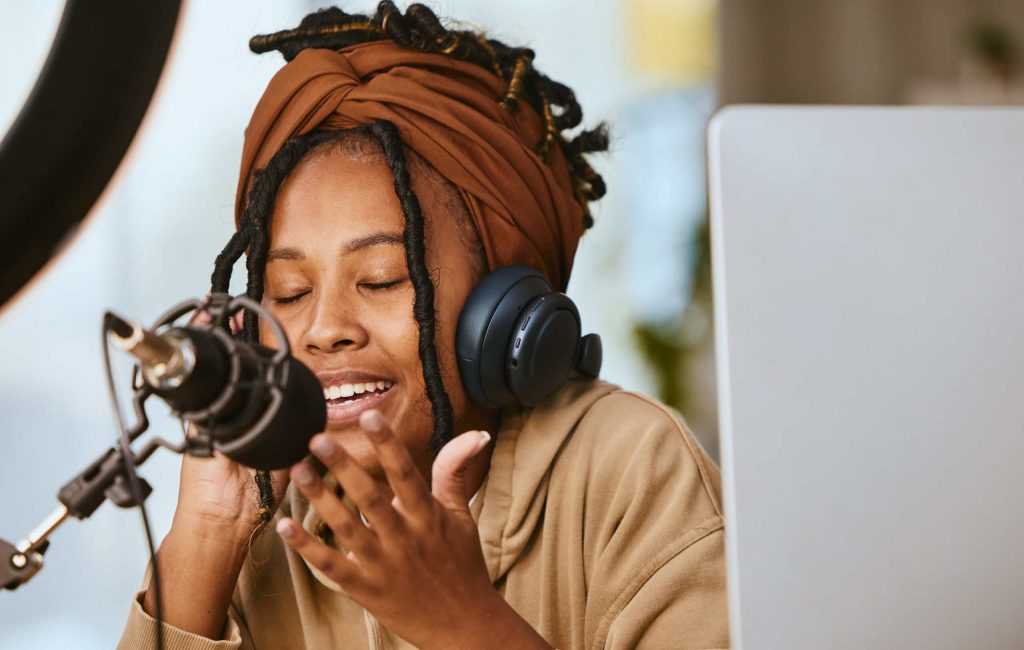
Have you ever watched a cartoon and wondered who gave the funny lion its loud roar or the tiny mouse its squeaky voice? Have you listened to a radio advert and thought, “That voice sounds amazing!” What about the person who reads an audiobook or says, “Please fasten your seat belt,” on a train or plane?
Behind all these voices are voiceover artists, people who use only their voices to entertain, teach, advertise and tell stories. They may never appear on screen, but millions of people hear them every day.
Also read: 11 First Class Graduates Receive N500,000 Each
The exciting part is that you do not have to be a movie star or a famous singer to become a voiceover artist. If you enjoy reading aloud, telling stories or making different character voices, this could be a career worth exploring. While most professional voiceover artists begin earning money as adults, you can start building the skills you need while you are still in school.
BA voiceover artist uses their voice to bring words to life. Instead of acting with their face or body, they act with their voice.
Voiceover artists work on the following:
- * Cartoons and animated films
- * Television and radio adverts
- * Audiobooks
- * Educational videos
- * Documentaries
- * Video games
- * Podcasts
- * Public announcements
- * YouTube videos
- * Phone greetings for businesses
Some voiceover artists sound cheerful and energetic, while others have calm, friendly or dramatic voices. Every voice is different, and that is what makes this career so special.
Can you really make money with your voice?
Yes! Companies, schools, television stations, filmmakers, businesses and content creators all need good voices for their projects. They pay voiceover artists to record scripts that explain, advertise or entertain.
Some artists work full-time, while others do voiceovers after school or after work as a side job. The more experience they gain, the more opportunities they often receive.
How can you prepare while you are young?
- Read out loud every day
Reading aloud helps you speak clearly and confidently. It also teaches you how to pronounce difficult words and use the right emotions while reading. Choose storybooks, newspapers or magazines and practise reading for a few minutes every day.
- Learn to speak clearly
People must understand every word you say. Try not to rush. Slow down, pronounce your words properly and speak with confidence. Tongue twisters can be a fun way to improve your speech.
For example:
- * Red lorry, yellow lorry.
- * She sells seashells by the seashore.
- * Unique New York.
Practising these regularly helps your mouth become more flexible when speaking.
- Use expression
A voiceover is not just about reading words.
Imagine reading this sentence:
*”The puppy found a new friend.”*
Would you read it the same way if the puppy was happy, frightened or excited? Probably not! Good voiceover artists make listeners feel emotions through their voices.
- Listen to professional voices
Pay attention to voices on television, radio and cartoons. Notice how different people sound. Some speak softly. Some speak with excitement. Some sound funny. Others sound serious. Listening carefully teaches you different speaking styles.
- Protect your voice
Your voice is your greatest tool.
Take care of it by:
- * Drinking plenty of water.
- * Avoiding too much shouting.
- * Getting enough sleep.
- * Resting your voice when it feels tired.
Healthy habits help your voice stay strong.
- Join school activities
School gives you many chances to practise speaking.
You could join:
- * Drama club
- * Debate club
- * Reading club
- * School assembly presentations
- * Public speaking competitions
Each activity helps you become more confident.
- Learn basic acting
Voiceover artists are actors.
The only difference is that people hear them instead of seeing them.
Learning how to show happiness, fear, surprise or sadness through your voice makes you a better performer.
- Practise recording yourself
Most phones today have voice recorders. Ask an adult for permission before using one. Record yourself reading stories. Play the recording back.
Ask yourself:
- * Was I clear?
- * Did I sound interesting?
- * Did I speak too fast?
- * Could I improve?
Every recording helps you grow.
- Build confidence
Many talented people have wonderful voices but are too shy to use them. Confidence grows with practice. The more you speak, the easier it becomes. Do not worry if you make mistakes. Even professionals keep learning.
- Keep learning new skills
Many successful voiceover artists also learn the following:
- * Singing
- * Acting
- * Storytelling
- * Video editing
- * Audio recording
- * Communication skills
The more you know, the more valuable you become.
Where can voiceover artists find work?
Professional voiceover artists work with many different people and organisations.
They may record voices for:
- * Television stations
- * Radio stations
- * Animation studios
- * Advertising agencies
- * Schools
- * Film producers
- * Businesses
- * App developers
- * YouTube creators
- * Audiobook publishers
Some even work from home using a quiet recording space and a microphone.
What makes a great voiceover artist?
It is not about having the deepest or funniest voice.
Great voiceover artists are:
- * Good listeners
- * Patient
- * Creative
- * Reliable
- * Friendly
- * Hard-working
- * Willing to practise often
These qualities are just as important as having a pleasant voice.
Can children become voiceover artists?
Yes! Many cartoons and children’s programmes need young voices.
Some children voice cartoon characters, appear in educational videos or record stories for learning apps.
However, they always work with the support and permission of their parents or guardians, while making sure school remains their top priority.
How do adults earn money?
As voiceover artists gain experience, they are paid for each project they complete. Some are paid to record a short advertisement, while others spend days recording an audiobook or a cartoon series. The amount they earn depends on the type of project, how long it takes and their level of experience.
Many experienced voiceover artists also teach others, coach public speakers or start their own recording businesses, creating even more ways to earn an income.
Start today, one word at a time
Every great voiceover artist started somewhere. They practised reading, learned to speak clearly and kept improving little by little.
If people often tell you that you have an interesting voice, enjoy reading stories aloud or love acting out different characters, your voice could become one of your greatest talents.
You may not start earning money today, but every page you read, every story you tell and every speech you practise brings you one step closer to your dream.
Who knows? One day, your voice could be the one that makes children laugh in a cartoon, teaches students through an audiobook or inspires people all around the world.
So keep talking, keep practising, and remember, your voice is unique, and it might just become your future superpower.
Leave a Comment