By Aisha Sani Shehu
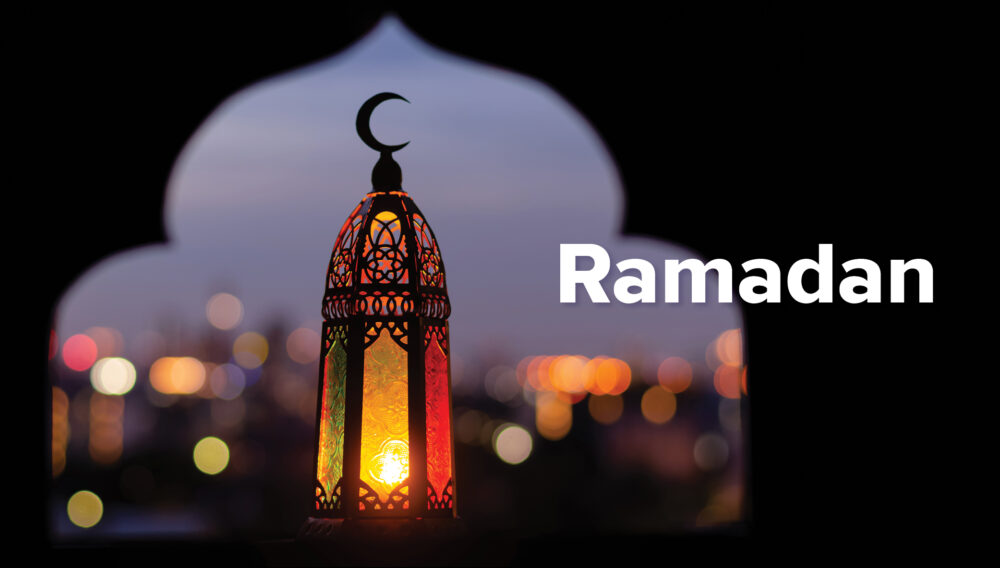
Ramadan is a holy month in Islam when Muslims fast from dawn until sunset. This fast is a personal act of devotion that brings Muslims closer to God. The timing of Ramadan depends on the sighting of the new moon. Once the moon is seen, fasting begins the next day.
Also read: When the going gets tough…
It is important to make the intention to fast, either day by day or for the entire month. If a fast is broken due to sickness, menstruation, or other valid reasons, it must be made up later.
A key practice during Ramadan is Suhoor, the pre-dawn meal. This meal, part of the Sunnah (teachings of Prophet Muhammad), helps reduce the hardship of fasting during the day. If someone eats before dawn but is unsure whether the sun has risen, they should stop eating once they are certain sunrise has occurred. Waking up before dawn for Suhoor is highly recommended.
After sunset, Muslims break their fast with Iftar, usually a light meal. This is followed by Maghrib, the evening prayer, and then a special nightly prayer called Tarawih. When the new moon for the month of Shawwal is sighted, Ramadan ends, and the Eid al-Fitr celebration begins the next day.
Ramadan is a time for worship, self-discipline, and spiritual reflection. It encourages patience, gratitude, and empathy for those less fortunate, strengthening the connection with God and the community.
Aisha Sani Shehu is a student of I Scholars International Academy, Gwarinpa, Abuja.
Leave a Comment