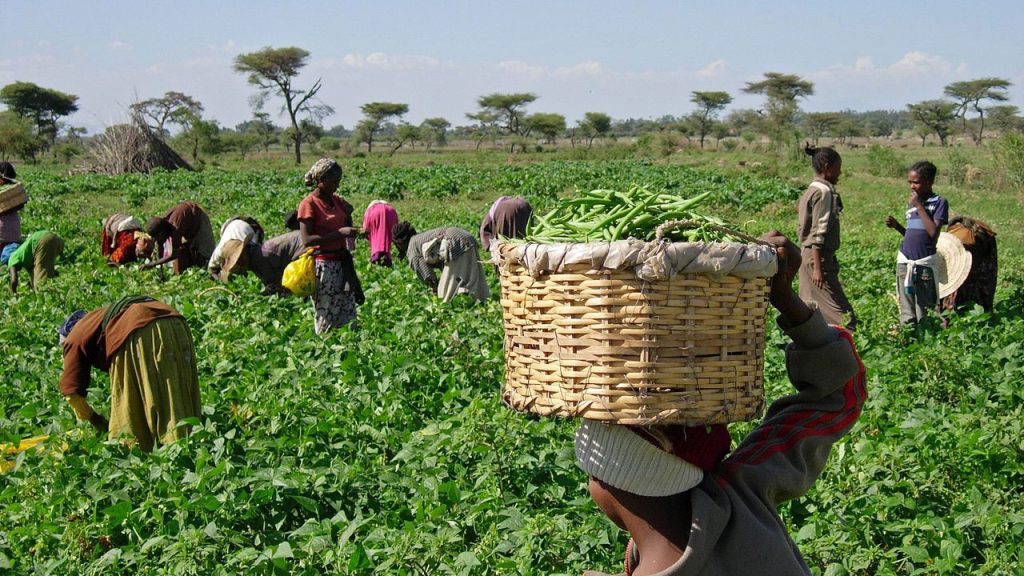
Imagine eating a bowl of cereal in another country and discovering that the dried fruit inside it came from Nigeria. Or picture someone living thousands of kilometres away enjoying Nigerian dried pepper in their favourite meal.
This is one of the ways food export works. It allows people to sell food produced or processed in their country to buyers in other parts of the world. It is also a business opportunity for people who are interested in farming, food production and trade.
Also read: How to make money through Sewing business
Nigeria has many food products that can be sold outside the country. These include cocoa, sesame seeds, ginger, cashew nuts, dried hibiscus flowers, dried vegetables, palm oil and different types of spices.
However, making money from food export is not simply about buying food and sending it abroad. It requires planning, good products, patience and an understanding of how international trade works.
Here are some steps to help you understand how to start a food export business.
- Choose the right food product
The first step is deciding what food you want to sell. It is important to choose a product that people in other countries want to buy. For example, cocoa is used to make chocolate, while sesame seeds are used in cooking and food production. Dried ginger and pepper are also useful because they can be stored for longer than fresh ones when properly processed. You should also consider whether the product is available in large quantities in Nigeria and whether it can remain in good condition during transportation.
Before choosing a product, research the countries that buy it and find out what their customers need.
- Find out who will buy your products
A business needs customers to make money. In food export, these customers are often called buyers or importers. They may be food companies, supermarkets, wholesalers, restaurants or businesses that use farm products to make other goods. You can search for potential buyers online, attend trade fairs or connect with people who already work in the export business. It is important to find out what buyers want before spending money to purchase large quantities of food. Some may prefer whole cashew nuts, while others may want them already peeled and packed.
- Find reliable farmers and suppliers
Once you know what you want to sell, the next step is finding people who can supply it. For example, if you want to export ginger, you need to connect with farmers or suppliers who grow and sell good-quality ginger. Building a good relationship with suppliers is important because you need products that meet your buyers’ expectations. You should also agree on prices, quantities and delivery dates. Buying directly from farmers may help you get better prices, but you must still check that the products are clean, safe and properly handled.
- Make sure the food is clean and safe
People in other countries expect food products to meet certain quality and safety standards. This means you cannot simply package any food and send it abroad. Some products need to be washed, dried, sorted, cleaned or processed before they can be exported. For example, ginger may need to be properly dried, while cashew nuts may need to be cleaned and sorted according to size. Food must also be protected from insects, dirt, moisture and other things that could damage it. Some countries have strict rules about the food they allow into their markets. Exporters must learn these rules and make sure their products meet the required standards.
- Learn the rules and get the necessary documents
Food export is a regulated business. In Nigeria, exporters must understand the requirements of the Nigerian Export Promotion Council (NEPC), which helps businesses develop and promote non-oil exports. Depending on the product, exporters may also need approvals, inspection reports and certificates from relevant government agencies. For example, the National Agency for Food and Drug Administration and Control (NAFDAC) regulates certain processed food products, while the Nigeria Agricultural Quarantine Service (NAQS) handles important plant and animal health requirements. Other documents may include a certificate of origin, which shows where a product comes from, and shipping documents that provide details about the goods being transported. The requirements depend on the food product and the country receiving it. This is why exporters must get proper guidance before sending their goods.
- Decide how to package and transport the food
Packaging is another important part of food export. Products must be packed in a way that keeps them safe during transportation. For example, dried vegetables and spices may be packed in sealed bags, while fresh fruits may require special containers and temperature control. Exporters must also decide how the products will reach their buyers. Some goods are transported by sea, while others are sent by air. Sea transportation is often used for large quantities of goods, while air transportation may be suitable for products that need to arrive quickly. The cost of packaging and transportation must be included when calculating how much money the business will make.
- Calculate your costs and selling price
Before selling your products, you need to know how much it costs to produce or buy them, process them, package them and transport them. You must also consider payments for inspections, certificates, storage and other business expenses. For example, imagine you spend money buying and preparing dried ginger for export. You must add all your expenses before deciding how much to charge your buyer. If you sell the ginger for more than the total amount you spent, the difference may be your profit. However, you must be careful not to set your price too high because buyers may choose another supplier.
- Build trust with your buyers
A successful export business depends on good relationships. Buyers want to work with people who deliver the right products, meet deadlines and communicate clearly. You should always be honest about the quality and quantity of your goods. If you promise to supply 500 bags of dried ginger, you must be sure you can provide that quantity. It is also important to agree on payment arrangements before sending goods. New exporters should seek professional advice and use safe payment methods to avoid being cheated.
- Start small and grow gradually
You do not need to begin by exporting huge quantities of food. Starting with a small order can help you understand how the business works and identify problems before investing more money. You can also learn from established exporters, attend business training programmes and seek advice from people who understand international trade. As your business grows, you may employ workers, work with more farmers and supply buyers in different countries.
Food export can create opportunities for more than just the person who owns the business. It can provide income for farmers, transport workers, food processors, packaging companies and other people who help move products from farms to international markets. Nigeria has many food products that people around the world can enjoy. With the right knowledge, good planning and hard work, these products can become valuable businesses. The next time you see a bag of Nigerian cashew nuts or dried ginger, remember that it could have travelled across the world to reach its buyer. Behind that journey may be a business owner who saw an opportunity and decided to make something out of it.
Leave a Comment