By Aisha Abdullahi, FOMWAN Basic School, Abuja
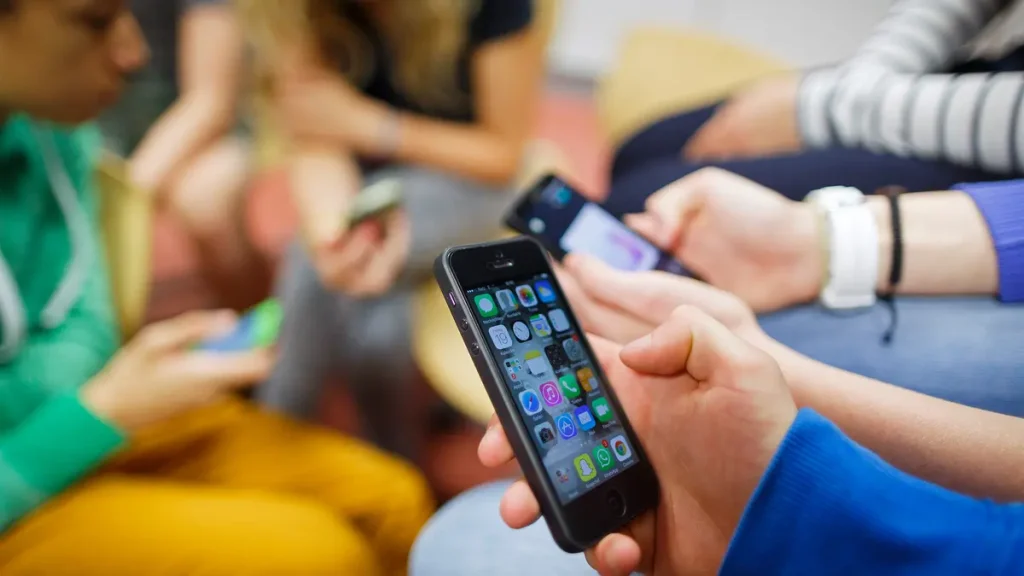
A mobile phone is a portable device primarily used for communication, internet access and entertainment. In today’s digital age, it has evolved from being a luxury to becoming an everyday necessity. For many teenagers, smartphones are the main gateway to social interaction, learning and entertainment. However, beneath this convenience lies a growing concern. Excessive smartphone use can harm teenagers by affecting their mental health, distracting them from their studies and encouraging unhealthy habits.
Also read: The essence of sports in a student’s life
One of the most alarming effects of excessive smartphone use is its impact on young people’s mental health. Teenagers are especially vulnerable to the pressures of social media, where they often compare their everyday lives with the carefully edited highlights of others. This constant comparison can lead to low self-esteem, anxiety and body image issues. In addition, many social media platforms are designed to keep users engaged through features such as endless scrolling and constant notifications, making it difficult for teenagers to disconnect. Cyberbullying also exposes many young people to emotional distress that can follow them wherever they go.
Smartphones can also interfere with learning and academic performance. Frequent notifications and the temptation to check messages or social media make it difficult for students to concentrate for long periods. As a result, their attention spans may become shorter, making it harder to develop critical thinking and problem-solving skills. Even when a smartphone is not in use, its presence nearby can distract students, reducing their focus and affecting their ability to retain information.
Excessive smartphone use may also encourage a sedentary lifestyle. Instead of engaging in outdoor activities, reading or spending time with family and friends, many teenagers spend hours on their devices. Over time, this can reduce productivity and limit opportunities for physical activity and personal development.
In conclusion, while smartphones provide valuable benefits such as communication, access to information and improved safety, their excessive use can have serious consequences for teenagers. Parents, teachers and carers should encourage healthy screen habits and set reasonable limits to help young people enjoy the benefits of technology without compromising their well-being, education or personal growth.
Leave a Comment