By Ammar Ibrahim, SS1 Science, Shehu Shagari Model Islamic Centre, Abuja
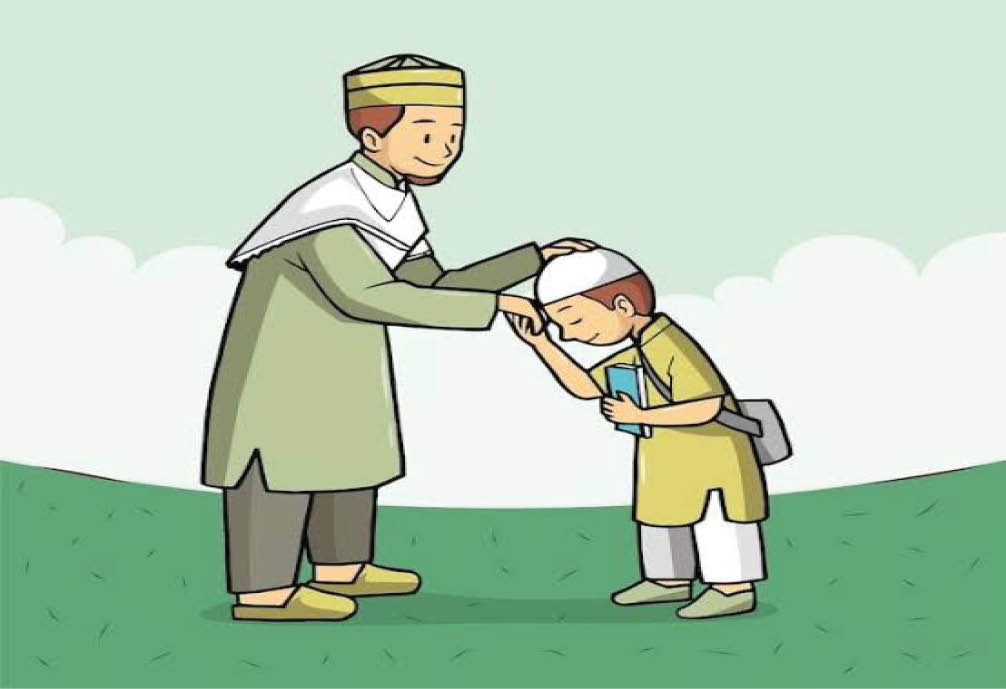
Respect for elders is one of the important values passed down from generation to generation. It means showing kindness, honour, and appreciation to older people because of their experience, wisdom, and contributions to society. A community where respect exists is often one where people live in peace and harmony.
Also read: The dangers of disrespecting teachers
Elders have gained valuable knowledge through their life experiences. Listening to their advice can help younger people avoid mistakes and make better decisions. Their guidance often encourages, especially during difficult times. Respecting elders does not mean young people should not express their opinions; rather, it means communicating with politeness and understanding.
One major benefit of respecting elders is that it promotes strong relationships between generations. When young people treat older people with kindness, trust is built and families become stronger. Respect also helps develop important qualities such as humility, patience, discipline, and responsibility.
In schools and communities, respect for elders creates a peaceful environment where people can cooperate. Students who learn to respect teachers, parents, and other older members of society are more likely to develop positive attitudes that will benefit them throughout life.
However, respect should be shown through actions, not just words. Simple gestures such as greeting elders politely, helping them when needed, and valuing their opinions can make a big difference.
In conclusion, respect for elders is a valuable virtue that strengthens society. By appreciating the older generation and learning from their wisdom, we can build stronger families, healthier communities, and a better future for everyone.
Leave a Comment