By Khadijah Iranloye
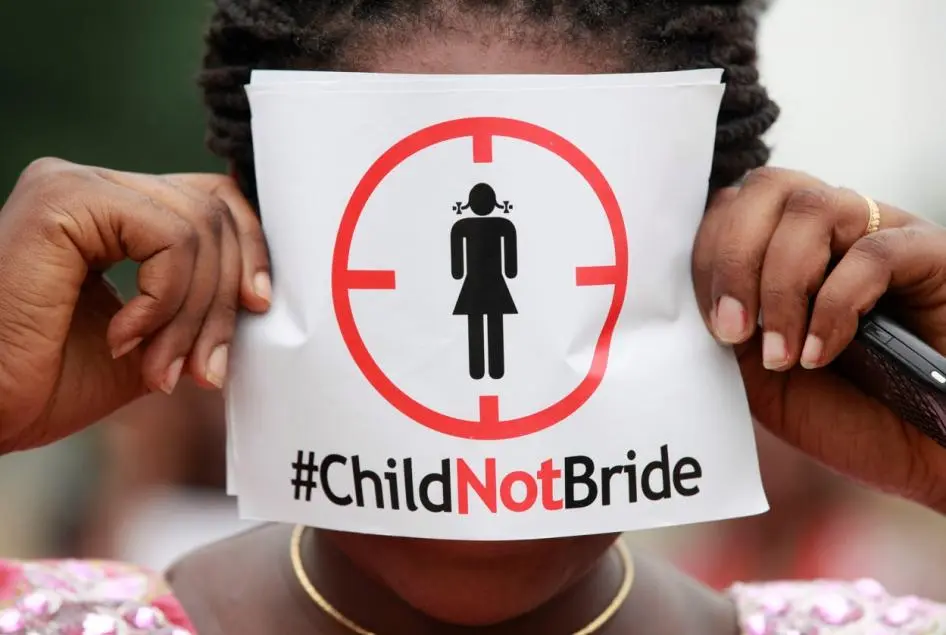
Underage girl marriage, also known as child marriage, refers to the marriage of a girl below the age of eighteen. It is a serious social problem in Nigeria and many other developing countries. Despite laws and awareness campaigns against it, many young girls are still forced into marriage before they are physically and emotionally ready.
Studies show that Nigeria has one of the highest rates of child marriage in the world. According to UNICEF, about 43 per cent of Nigerian girls are married before the age of 18, while 18 per cent are married before the age of 15. These numbers show how widespread the problem is and why it needs urgent attention.
One major cause of underage girl marriage is poverty. Some parents believe that marrying off their daughters early will reduce financial stress at home. Cultural beliefs and fear of shame also push families to force young girls into marriage. In addition, lack of education makes girls more vulnerable, as girls who are not educated often have little power to resist such decisions.
The effects of underage marriage are harmful and long-lasting. Young girls face serious health risks during pregnancy and childbirth. Many are forced to drop out of school, which denies them the chance to achieve their dreams and contribute positively to society.
In Nigeria, the Child Rights Act of 2003 clearly states that no person under the age of 18 should be married. Sadly, weak enforcement of this law has allowed the practice to continue in some parts of the country.
In conclusion, underage girl marriage is a violation of the rights of the girl-child. Society must protect girls through proper education, strong law enforcement and continuous awareness. When the girl-child is protected, the future of the nation is also protected.
Khadijah Iranloye is an SSS 2 science student of Shehu Shagari Model Islamic Centre, Abuja
Leave a Comment