

However, getting tweens interested in reading isn’t always easy. Many children prefer video games, social media, television, and other digital entertainment. A well-organized book club can make reading more enjoyable by turning it into a shared social experience.
Instead of reading alone, tweens meet other children who enjoy stories, mysteries, adventures, and interesting characters. They exchange opinions, participate in creative challenges, and discover books they might never have considered.
Also read: VDM Pledges $50,000 to Send 18-Year-Old Nigerian Inventor to University in China
Whether you’re a parent, teacher, librarian, or youth group organizer, starting a tween book club can be rewarding. This comprehensive guide explores the benefits, book recommendations, meeting ideas, discussion questions, reading challenges, and practical steps for creating a successful book club.
What Are Book Clubs for Tweens?
Book clubs for tweens are organized reading groups designed for children transitioning from childhood into their teenage years. Most groups accommodate children between 8 and 12, although some include younger teenagers.
Members read selected books individually or together. They then meet regularly to discuss stories, share interpretations, ask questions, and participate in related activities.
Unlike traditional classroom reading assignments, book clubs encourage voluntary participation. Children can express their opinions without worrying about getting every answer correct. They can also recommend books, introduce new genres, and suggest activities.
Most tween book clubs meet weekly, every two weeks, or monthly. Some operate through schools and public libraries, while others meet in homes, churches, community centers, and online platforms.
Why Are Book Clubs Important for Tweens?

The tween years are an excellent time to establish positive reading habits. Children are becoming more independent thinkers and developing stronger interests in different subjects.
Book clubs provide an environment where these interests can grow. Furthermore, group reading introduces children to different opinions and experiences.
1. They Develop a Lifelong Love of Reading
Some children struggle to enjoy reading because they associate books with schoolwork, examinations, and compulsory assignments. Book clubs introduce a different experience.
Members can explore fantasy, adventure, mystery, comedy, historical fiction, and other exciting genres. They also discover books recommended by friends who share similar interests.
Additionally, group discussions create anticipation around finishing a book. Children become curious about what other members think. This excitement can motivate them to read more consistently.
Over time, regular participation can help children develop reading routines. They may eventually begin exploring books independently without needing reminders from parents or teachers.
2. They Improve Vocabulary and Language Development
Reading exposes tweens to unfamiliar words, expressions, sentence structures, and writing styles. Consequently, children gradually expand their vocabulary and improve their understanding of language.
Book club discussions reinforce this learning. Members explain unfamiliar expressions, describe characters, and summarize important events.
For example, a child reading a mystery novel may encounter words associated with investigation, evidence, suspicion, and discovery. Discussing these terms helps reinforce their meanings.
Furthermore, children who regularly read different genres encounter more varied language. This exposure can support writing, comprehension, spelling, and verbal communication.
3. They Strengthen Critical Thinking and Problem-Solving Skills
Books frequently present difficult situations, unexpected decisions, conflicts, and complicated relationships. Discussing these situations encourages tweens to think beyond the story.
For instance, members reading a mystery novel can identify clues and predict the ending. They can also discuss whether characters made sensible decisions.
Similarly, historical fiction can introduce conversations about fairness, courage, responsibility, and social change.
These discussions encourage children to examine information, support their opinions, and consider alternative explanations.
4. They Build Social Confidence and Communication Skills
Not every tween feels comfortable speaking in groups. Some children need opportunities to practice expressing their thoughts in supportive environments.
Book clubs provide those opportunities through conversations about familiar stories.
Members learn how to introduce ideas, ask questions, disagree respectfully, and listen to different perspectives.
Additionally, discussion leaders can encourage quieter children through smaller group activities. This approach helps everyone participate without feeling pressured.
5. They Encourage Empathy and Emotional Intelligence
Stories allow children to experience situations through different characters. They may read about friendship problems, family challenges, personal achievements, discrimination, or difficult decisions.
As a result, tweens begin considering how other people feel and why they behave differently.
For example, discussing a character who experiences bullying can encourage conversations about kindness, inclusion, and standing up for others.
These experiences can help children develop empathy and better understand their own emotions.
6. They Create Opportunities for Meaningful Friendships
Book clubs bring together children who enjoy stories and learning. Shared interests provide natural opportunities for friendship.
Members can work together on reading challenges, participate in competitions, exchange recommendations, and celebrate completed books.
Moreover, children may discover that they enjoy books outside their usual preferences after listening to other members.
These interactions create a sense of belonging that can make reading more enjoyable.
Best Types of Books for Tween Book Clubs

Choosing the right books is one of the most important parts of organizing a successful reading group. The selection should reflect children’s interests, reading abilities, and maturity levels.
A diverse reading list also prevents members from becoming bored with similar stories.
Here are some popular genres to consider.
1. Adventure Books
Adventure books are excellent choices for tweens who enjoy exciting journeys, unexpected challenges, and brave characters.
These stories often involve exploration, friendship, survival, and discovering unfamiliar places. They also encourage imagination and curiosity.
Recommended titles include:
-
Percy Jackson and the Lightning Thief by Rick Riordan.
-
The Wild Robot by Peter Brown.
-
The Explorer by Katherine Rundell.
-
Hatchet by Gary Paulsen.
-
The Mysterious Benedict Society by Trenton Lee Stewart.
Adventure books provide plenty of discussion opportunities. Members can debate character decisions, predict what happens next, and imagine alternative endings.
2. Mystery and Detective Books
Mystery books are particularly enjoyable for tweens who love solving puzzles and discovering hidden information.
These stories encourage readers to pay attention to details, recognize patterns, and connect different events.
Recommended titles include:
-
The Westing Game by Ellen Raskin.
-
Encyclopedia Brown, Boy Detective by Donald J. Sobol.
-
Greenglass House by Kate Milford.
-
The London Eye Mystery by Siobhan Dowd.
-
The Mysterious Benedict Society by Trenton Lee Stewart.
During meetings, organizers can create mystery challenges based on the selected book. Members can investigate clues and compete to solve fictional cases.
3. Fantasy Books
Fantasy books introduce tweens to imaginary worlds, magical creatures, unusual characters, and extraordinary adventures.
They encourage creativity while exploring themes such as friendship, courage, responsibility, and personal growth.
Popular recommendations include:
-
Harry Potter and the Sorcerer’s Stone by J.K. Rowling.
-
The Lion, the Witch and the Wardrobe by C.S. Lewis.
-
The Neverending Story by Michael Ende.
-
The Girl Who Drank the Moon by Kelly Barnhill.
-
Howl’s Moving Castle by Diana Wynne Jones.
Fantasy discussions can explore imaginary worlds, magical systems, character development, and the difference between good and evil.
4. Realistic Fiction Books
Realistic fiction explores situations that children may recognize from everyday life. These stories often address friendships, family relationships, school experiences, personal struggles, and growing up.
They are especially useful for encouraging conversations about emotions and relationships.
Recommended titles include:
-
Wonder by R.J. Palacio.
-
Because of Winn-Dixie by Kate DiCamillo.
-
Front Desk by Kelly Yang.
-
Fish in a Tree by Lynda Mullaly Hunt.
-
The One and Only Ivan by Katherine Applegate.
These books encourage tweens to discuss kindness, acceptance, courage, confidence, and belonging.
5. Historical Fiction Books
Historical fiction introduces children to different periods, cultures, and historical experiences.
These stories combine imaginative storytelling with historical settings. Consequently, they can make learning about history more interesting.
Consider these recommendations:
-
Number the Stars by Lois Lowry.
-
Esperanza Rising by Pam Muñoz Ryan.
-
The War That Saved My Life by Kimberly Brubaker Bradley.
-
Inside Out & Back Again by Thanhha Lai.
-
The Watsons Go to Birmingham—1963 by Christopher Paul Curtis.
Organizers can complement these books with historical photographs, maps, timelines, and research activities.
6. Nonfiction and Biography Books
Not every book club needs to focus on fictional stories. Nonfiction books introduce tweens to real people, scientific discoveries, historical events, and interesting subjects.
Biographies can also inspire children by showing how individuals overcome challenges and accomplish meaningful goals.
Possible selections include:
-
Who Was Albert Einstein? by Jess Brallier.
-
Who Was Harriet Tubman? by Yona Zeldis McDonough.
-
Hidden Figures: The True Story of Four Black Women and the Space Race by Margot Lee Shetterly.
-
The Boy Who Harnessed the Wind by William Kamkwamba and Bryan Mealer, with attention to the appropriate edition.
-
National Geographic Kids nonfiction titles.
These books can inspire conversations about innovation, education, leadership, determination, and discovery.
How to Start a Book Club for Tweens
Starting a tween book club doesn’t require a large budget, professional equipment, or complicated arrangements. What matters most is creating a welcoming environment where children feel excited about reading.
Whether you want to organize a neighborhood reading group or establish a school book club, these steps can help.
1. Decide on the Purpose of Your Book Club
Before inviting members, determine what you want the club to accomplish.
Some book clubs focus primarily on improving reading habits. Others encourage creativity, friendship, academic development, or discussions about important life lessons.
For example, a school book club might prioritize reading comprehension and vocabulary. Meanwhile, a neighborhood book club might focus on friendship, entertainment, and social interaction.
Having a clear purpose makes it easier to select books, plan activities, and establish meeting schedules.
2. Choose the Right Number of Members
Start with approximately six to twelve members. This number allows everyone to contribute without making discussions difficult to manage.
A smaller group also helps organizers understand individual reading preferences and abilities.
If more children express interest, consider creating additional groups. You can organize members according to age, reading level, or preferred genres.
For example, children aged 8–10 might enjoy shorter chapter books. Meanwhile, members aged 11–12 may prefer longer stories with more complicated themes.
3. Find a Comfortable Meeting Location
The meeting environment can influence how much children enjoy participating.
Choose a quiet, comfortable location with sufficient seating and good lighting. Libraries, classrooms, community centers, and living rooms can all work well.
You can also create a dedicated reading corner with colorful decorations, cushions, bookshelves, and posters.
Make sure the environment encourages conversation without unnecessary distractions.
4. Establish a Realistic Reading Schedule
Children have different reading speeds and school commitments. Therefore, choose a schedule that allows everyone enough time to complete selected books.
Weekly meetings work well for shorter books or chapter-based reading. However, monthly meetings may be more appropriate for longer novels.
You can also divide longer books into manageable sections.
For instance, members might read five chapters every week before discussing their progress.
5. Establish Simple Book Club Rules
Clear expectations help members understand how the group operates.
Some useful rules include:
-
Respect everyone’s opinions.
-
Allow members to finish speaking before responding.
-
Avoid making fun of another person’s reading ability.
-
Complete assigned reading whenever possible.
-
Keep discussions friendly and appropriate.
-
Give everyone an opportunity to participate.
-
Handle borrowed books carefully.
Keep the rules simple and involve members in creating them. This encourages children to take responsibility for maintaining a positive environment.
6. Assign Different Responsibilities
Giving members responsibilities makes the book club more interactive.
You can introduce rotating roles so everyone gets an opportunity to contribute.
For example:
| Book club role | Responsibility |
|---|---|
| Discussion leader | Introduces questions and guides conversations. |
| Book reviewer | Shares a short review of the selected book. |
| Vocabulary explorer | Introduces interesting words from the story. |
| Activity coordinator | Helps organize games and creative projects. |
| Reading tracker | Records completed books and reading progress. |
| Recommendation leader | Suggests books for future meetings. |
These responsibilities develop leadership, organization, and communication skills.
Creative Book Club Meeting Ideas for Tweens
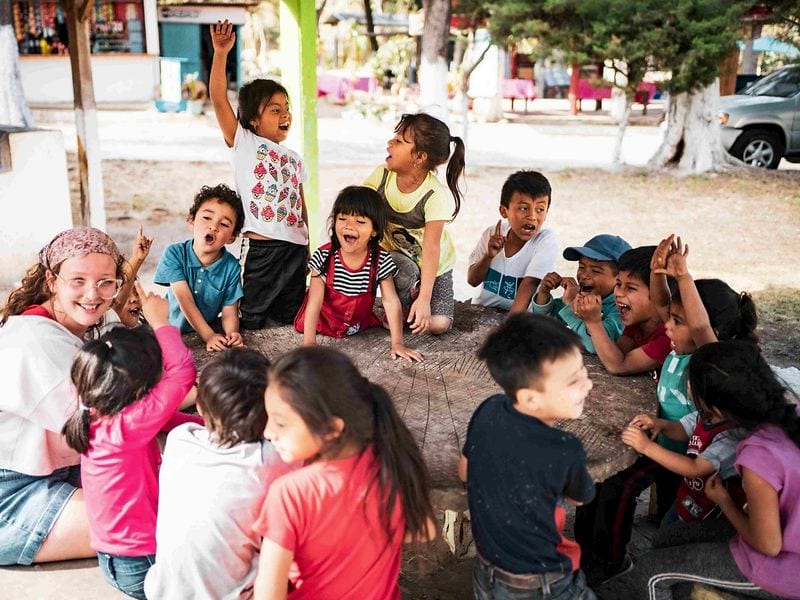
A successful book club should offer more than sitting around a table discussing chapters. Incorporating creative activities keeps children engaged and gives them different ways to interact with stories.
Here are some exciting ideas to try.
1. Book Character Dress-Up Day
Organize a meeting where members dress as characters from their selected books.
They can recreate outfits, hairstyles, accessories, or other recognizable features. Each participant should introduce their character and explain their importance to the story.
You can also organize a friendly costume competition with categories such as:
-
Most creative costume.
-
Best character representation.
-
Funniest character.
-
Best homemade costume.
-
Most imaginative interpretation.
This activity encourages creativity and helps children explore character personalities.
2. Create Your Own Book Cover
Ask members to design alternative covers for books they have completed.
Provide paper, colored pencils, markers, stickers, and other craft materials.
Encourage children to consider the book’s central theme, setting, characters, and mood when designing their covers.
Afterwards, each member can present their design and explain the creative decisions behind it.
You could even organize a small exhibition showcasing everyone’s artwork.
3. Organize a Book Trivia Competition
Book trivia introduces friendly competition into reading discussions.
Prepare questions about characters, important events, settings, memorable scenes, and story endings.
For example, members reading Wonder could answer questions about Auggie’s experiences, friendships, and personal challenges.
Divide participants into teams and award points for correct answers.
However, make sure questions match the sections everyone has read. This prevents unnecessary spoilers and keeps the competition fair.
4. Host a Book-to-Movie Discussion
Some popular tween books have film adaptations. Watching these movies creates an opportunity to compare storytelling across different formats.
Choose a suitable film based on a book the group has already completed.
After watching, discuss questions such as:
-
Which scenes appeared in both versions?
-
What important details did the movie leave out?
-
Did the actors match your imagination?
-
Which version communicated the story better?
-
Would you change anything about the movie?
This activity combines reading, entertainment, observation, and critical thinking.
5. Plan a Book-Themed Treasure Hunt
Create clues based on characters, locations, objects, and events from the selected book.
Hide the clues around the meeting location and divide members into small teams.
Each team must solve the clues to discover the final treasure.
The treasure could include bookmarks, stationery, small notebooks, stickers, or reading-themed gifts.
This activity works particularly well with adventure and mystery books.
6. Write an Alternative Ending
Invite members to imagine what would happen if their favorite book ended differently.
They can write a short alternative ending, create illustrations, or perform their versions as short plays.
Encourage creative freedom rather than focusing on perfect grammar.
This activity helps children explore storytelling, character development, and imaginative writing.
7. Organize a Book Swap Party
Ask members to bring books they have finished and are comfortable exchanging.
Create a small display where everyone can browse available titles.
Each participant can briefly introduce their book and explain why another member might enjoy it.
Book swaps introduce children to new authors while making reading more affordable.
8. Create a Book Club Podcast
Older tweens may enjoy creating a simple book review podcast.
Members can record short conversations about their favorite books, characters, and memorable moments.
They can also invite other members to share recommendations.
With appropriate parental permission and privacy protections, the recordings can remain within the group or be shared with a school community.
9. Host a Literary Awards Ceremony
At the end of each reading season, organize a fun awards ceremony.
Possible award categories include:
-
Favorite book of the season.
-
Most interesting character.
-
Best plot twist.
-
Funniest story.
-
Most inspiring book.
-
Best book recommendation.
-
Most creative book review.
Every member should receive recognition for participating. The goal is to celebrate reading rather than create unnecessary competition.
10. Create a Book Club Memory Scrapbook
Encourage members to document their reading experiences throughout the year.
They can include photographs, book covers, favorite quotes, drawings, reviews, and memories from meetings.
By the end of the year, the scrapbook becomes a collection of their reading achievements and friendships.
Virtual Book Clubs for Tweens: How to Make Online Reading Fun

Virtual book clubs provide opportunities for tweens to connect with other readers without meeting physically.
They are particularly useful for children who live far apart, attend different schools, or cannot regularly attend in-person meetings.
However, online reading groups require proper organization and adult supervision.
1. Choose a Suitable Online Meeting Platform
Parents and organizers should select a secure platform with appropriate privacy and safety controls.
Meetings can use supervised video conferencing, school-approved communication platforms, or moderated online learning environments.
Avoid sharing children’s personal information or allowing unsupervised private communication.
2. Create an Online Reading Schedule
Choose a book and establish weekly reading targets.
For example, members could read three chapters before each meeting.
Send reminders through parents or approved communication channels. This helps everyone stay on schedule.
3. Use Interactive Online Activities
Virtual meetings don’t have to involve conversations alone.
Organizers can introduce:
-
Online book trivia.
-
Digital storytelling games.
-
Virtual character dress-up.
-
Collaborative story writing.
-
Online drawing challenges.
-
Book recommendation presentations.
-
Supervised reading competitions.
These activities make online meetings more engaging.
Encourage Digital Book Reviews
Ask members to create short presentations about their favorite books.
They can include drawings, character descriptions, ratings, and personal recommendations.
These presentations help children develop confidence and digital communication skills.
A 12-Month Book Club Reading Plan for Tweens
One effective way to maintain an active book club is to create an annual reading schedule.
A monthly theme provides direction while allowing members to explore different genres.
Here is an example of a twelve-month reading plan.
| Month | Reading theme | Suggested activity |
|---|---|---|
| January | Adventure stories | Create an adventure map. |
| February | Friendship stories | Make friendship bookmarks. |
| March | Mystery and detective fiction | Organize a mystery challenge. |
| April | Fantasy and magic | Design an imaginary world. |
| May | Historical fiction | Create a historical timeline. |
| June | Funny and humorous books | Host a comedy storytelling session. |
| July | Nature and wildlife | Create nature-inspired artwork. |
| August | Inspirational biographies | Present a real-life hero. |
| September | Science fiction | Design a futuristic invention. |
| October | Spooky and suspenseful stories | Host an age-appropriate mystery night. |
| November | Family and community stories | Discuss kindness and belonging. |
| December | Favorite books of the year | Organize a reading awards ceremony. |
This schedule offers variety while helping organizers prepare activities in advance.
However, members should have opportunities to suggest alternative books and themes. Their participation makes the program more enjoyable.
Essential Supplies for Starting a Tween Book Club
A book club doesn’t require expensive equipment. However, having a few basic supplies can make meetings more organized and enjoyable.
Consider preparing the following:
-
Bookshelves: Keep selected books organized and accessible.
-
Reading journals: Allow members to record thoughts, favorite characters, and interesting discoveries.
-
Bookmarks: Provide personalized bookmarks for every member.
-
Notebooks and pens: Use them for discussion notes, writing exercises, and creative activities.
-
Art supplies: Keep colored pencils, markers, glue, scissors, and craft paper available.
-
Reading trackers: Help members monitor their reading progress.
-
Snacks and refreshments: Provide simple refreshments during longer meetings.
-
Certificates: Recognize participation and reading achievements.
-
Decorations: Create a welcoming environment with literary posters and colorful displays.
You can gradually expand the collection as the book club grows.
Tips for Parents and Teachers Organizing Book Clubs for Tweens
Adults play an important role in creating a successful reading environment. However, they should avoid controlling every aspect of the experience. The goal is to encourage independent thinking while providing appropriate guidance.
1. Allow Tweens to Choose Their Books
Children are more likely to enjoy reading when they have a say in book selection.
Instead of choosing every title yourself, present several age-appropriate options. Let members vote on their preferred selections.
You can also introduce a recommendation box where children submit book suggestions before each meeting.
2. Avoid Turning Discussions Into School Lessons
Book clubs should feel different from ordinary classroom assignments.
Although reading comprehension and vocabulary matter, avoid asking too many examination-style questions.
Encourage open conversations instead. Allow members to laugh, disagree, share personal experiences, and explore unusual interpretations.
3. Consider Different Reading Abilities
Not every tween reads at the same speed or level.
Some children may finish a novel within days, while others need additional time.
Choose books with accessible language and suitable reading lengths. Audiobooks and illustrated editions can also support children who prefer alternative reading formats.
4. Celebrate Progress Rather Than Perfection
Some members may struggle to finish every selected book. Others may participate more through conversations than written assignments.
Recognize different contributions and avoid embarrassing children who need additional support.
Small rewards, certificates, and positive encouragement can help maintain motivation.
5. Make the Book Club Inclusive
Choose stories featuring different cultures, experiences, family backgrounds, and perspectives.
This allows children to encounter unfamiliar ideas and understand different communities.
Also, make reasonable accommodations for children with reading difficulties, disabilities, or different learning needs.
6. Maintain Appropriate Supervision
Book clubs involving minors require responsible adult oversight.
Establish clear attendance procedures, emergency contacts, communication rules, and appropriate safeguarding arrangements.
For online clubs, protect children’s identities and avoid publishing photographs or recordings without permission.
Common Mistakes to Avoid When Running a Tween Book Club
Even an exciting book club can lose members when organizers overlook children’s interests and expectations.
Here are some mistakes worth avoiding.
Choosing books that are too difficult: Extremely complicated books can discourage developing readers. Match selections to the group’s reading abilities.
Making meetings too formal: Long lectures and compulsory assignments can make children lose interest. Include interactive activities and informal conversations.
Ignoring members’ suggestions: Children want to feel involved. Give them opportunities to recommend books and suggest activities.
Selecting too many books: An unrealistic reading schedule can create unnecessary pressure. Allow sufficient time for members to enjoy each selection.
Allowing a few members to dominate: Establish discussion guidelines that encourage everyone to participate.
Focusing only on reading speed: Reading is about understanding and enjoyment, not simply finishing books quickly.
Ignoring age appropriateness: Review books before introducing them to the group. Consider language, themes, emotional content, and individual maturity.
Frequently Asked Questions About Book Clubs for Tweens
1. What Age is Appropriate for a Tween Book Club?
Most tween book clubs accommodate children between 8 and 12 years old. However, some groups include children aged 13 or older who enjoy more advanced books. Organizers should consider reading abilities and maturity when selecting members.
2. How Many Children Should Join a Tween Book Club?
A group of six to twelve children is a practical starting point. This size allows everyone to participate while keeping discussions manageable. Larger clubs can divide members into smaller discussion groups.
3. How Often Should Tween Book Clubs Meet?
Most groups meet weekly, biweekly, or monthly. Weekly meetings work well for shorter books, while monthly meetings provide additional reading time. The best schedule depends on members’ availability and reading speeds.
4. What are the Best Books for 10-year-olds?
Popular choices include Wonder by R.J. Palacio, Matilda by Roald Dahl, The Wild Robot by Peter Brown, and Percy Jackson and the Lightning Thief by Rick Riordan. Parents and organizers should consider reading ability and content suitability.
5. How can I Encourage Reluctant Readers to Join a Book Club?
Start with books that match their interests, such as mysteries, sports stories, graphic novels, fantasy, or humor. Introduce games, movie adaptations, and creative activities. Most importantly, avoid making reading feel like punishment.
6. Can Tweens Start Their Own Book Club?
Yes. Tweens can organize reading groups with support from parents, teachers, or other responsible adults. They can invite friends, select books, create reading schedules, and take turns leading discussions.
7. Are Online Book Clubs Suitable for tweens?
Yes. Online book clubs can help children connect with other readers and participate in discussions remotely. However, they should use age-appropriate platforms, adult moderation, and appropriate privacy protections.
8. What should a tween book club do besides reading?
Members can participate in book trivia, creative writing, character dress-up, movie nights, crafts, storytelling competitions, book swaps, and reading challenges. These activities make meetings more interactive and enjoyable.
9. How much does it cost to start a tween book club?
The cost depends on the meeting location, book availability, and planned activities. Using public libraries, donated books, book exchanges, and printable reading materials can significantly reduce expenses.
10. How do you keep tween book club members interested?
Introduce different genres, rotate discussion leaders, organize themed meetings, celebrate reading achievements, and allow members to recommend books. Giving children ownership of the experience helps maintain their enthusiasm.
In conclusion, book clubs for tweens are valuable opportunities to develop reading habits, strengthen friendships, improve communication, and encourage creativity. They provide children with supportive environments where they can explore stories, exchange opinions, and discover new interests.
However, successful book clubs involve more than selecting books and arranging meetings. They require thoughtful planning, engaging activities, suitable reading materials, and an atmosphere where every child feels welcome.
Whether you’re organizing a school reading group, neighborhood club, library program, or virtual book community, start with simple activities and gradually introduce new ideas.
Most importantly, let children enjoy the experience. When reading becomes something they look forward to rather than another responsibility, a book club can inspire a lifelong love of books.
Leave a Comment