By Zainab Haliru
When people talk about the Fulani tribe in Nigeria, the discussion is often filled with stereotypes and negative impressions. Unfortunately, these one-sided narratives have made many Nigerians forget that the Fulani are one of the most culturally rich, peaceful, and hard-working ethnic groups in the country. As a student, I believe it is important to highlight the better side of the Nigerian Fulani tribe so that we can promote understanding, unity, and national harmony.
Also read: Tips on how to become a Civil Engineer
One admirable quality of the Fulani people is their strong sense of discipline and humility. From a young age, Fulani children are trained to be respectful, patient, and obedient. They value good character and self-control, which are reflected in their calm nature and polite manner of speech. This discipline helps them endure difficult situations without complaint, especially in their traditional pastoral lifestyle.
Another positive aspect of the Fulani tribe is their hard-working spirit. Traditionally, the Fulani are known as cattle rearers who travel long distances in search of pasture and water for their livestock. This nomadic life requires endurance, resilience, and commitment. Despite harsh weather conditions and long journeys, they remain dedicated to their work. Today, many Fulani people are also successful farmers, traders, scholars, and professionals contributing positively to Nigeria’s economy.
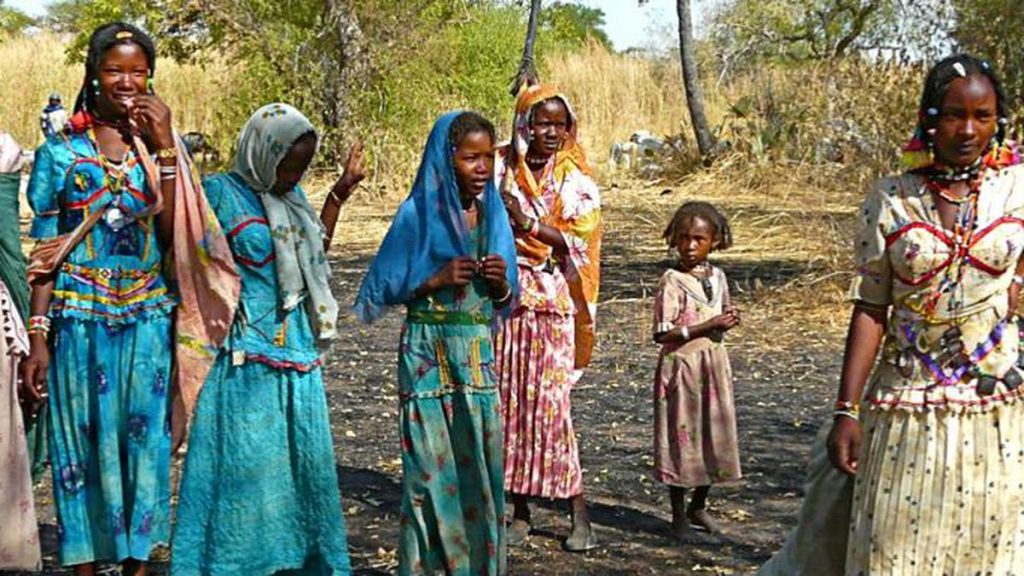
The Fulani are also well known for their rich cultural heritage. Their dressing, music, and traditions are unique and fascinating. Fulani attire is usually simple but elegant, reflecting modesty and cultural pride. Their music and poetry often carry deep messages about love, bravery, patience, and moral values. These cultural expressions help preserve their history and teach younger generations important life lessons.
Hospitality is another good quality of the Fulani people. They are generally generous and welcoming to visitors, especially in rural communities. Sharing food, milk, and shelter with guests is considered a virtue among them. This shows their strong belief in communal living and kindness to others.
Furthermore, the Fulani place high value on education and religion. Many Fulani families encourage both Islamic and Western education. Over the years, the tribe has produced respected scholars, leaders, and professionals who have contributed greatly to national development.
In conclusion, the Nigerian Fulani tribe has many positive qualities that deserve recognition. Their discipline, hard work, hospitality, rich culture, and respect for education show that they are an important and valuable part of Nigeria. Instead of focusing on negative stereotypes, Nigerians should appreciate the better side of the Fulani people and work together for peace and unity in our diverse nation.
Zainab Haliru is an SS2 student of Shehu Shagari Model Islamic Centre, Abuja.
Leave a Comment