By Ige Olumuyiwa
Stevens-Johnson Syndrome, often called SJS, is a rare but serious health condition. It mainly affects the skin and the moist parts of the body, like the mouth, eyes, nose, and genitals. Even though it doesn’t happen often, students should know about it because early awareness and quick action can prevent serious complications—and even save lives.
SJS usually happens when the body reacts strongly to certain medications or infections. Some common triggers include antibiotics, anti-seizure medications, and strong painkillers. Certain viral infections can also cause the condition.
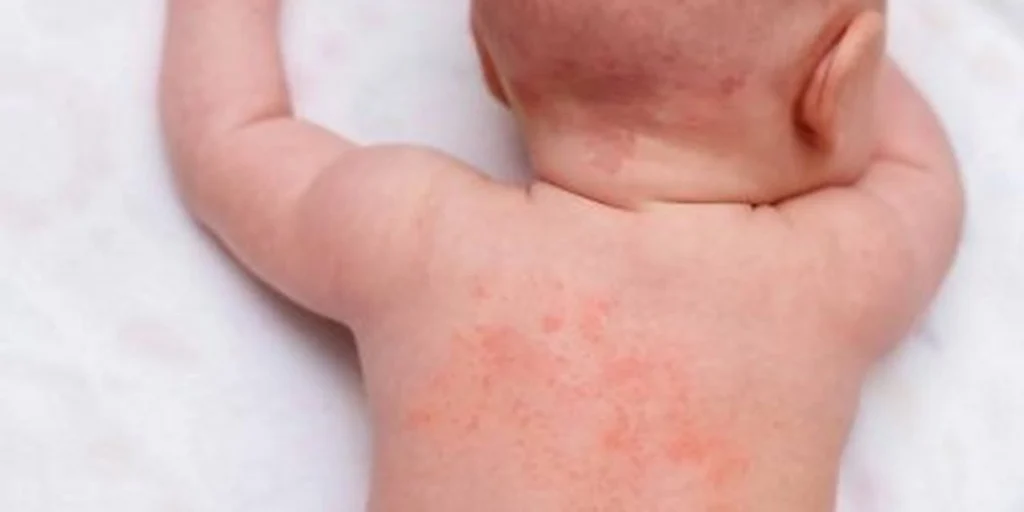
The illness often starts like the flu. A person may feel feverish, tired, have a sore throat or cough, and experience general weakness. Soon after, painful red or purplish rashes can appear on the skin. These rashes may spread quickly and form blisters. In severe cases, the skin can peel, and painful sores may develop in the mouth, eyes, and other sensitive areas.
SJS is dangerous because the skin is the body’s natural protective barrier. When it is damaged, the body becomes more vulnerable to infections, dehydration, and other serious health problems. That is why SJS requires urgent medical attention and hospital treatment.
Doctors treat SJS by stopping the medication that triggered the reaction and providing supportive care. This can include giving fluids to prevent dehydration, medications to reduce pain, and specialised treatment to protect the skin and eyes while the body heals.
The most important lesson for students is simple: never take medications without proper medical advice or supervision. If anyone develops unusual rashes, blisters, or severe reactions after taking a drug, they should seek medical help immediately.
Awareness, caution, and quick action can make a life-saving difference.
Ige Olumuyiwa is an educator at Lagooz Schools
Leave a Comment