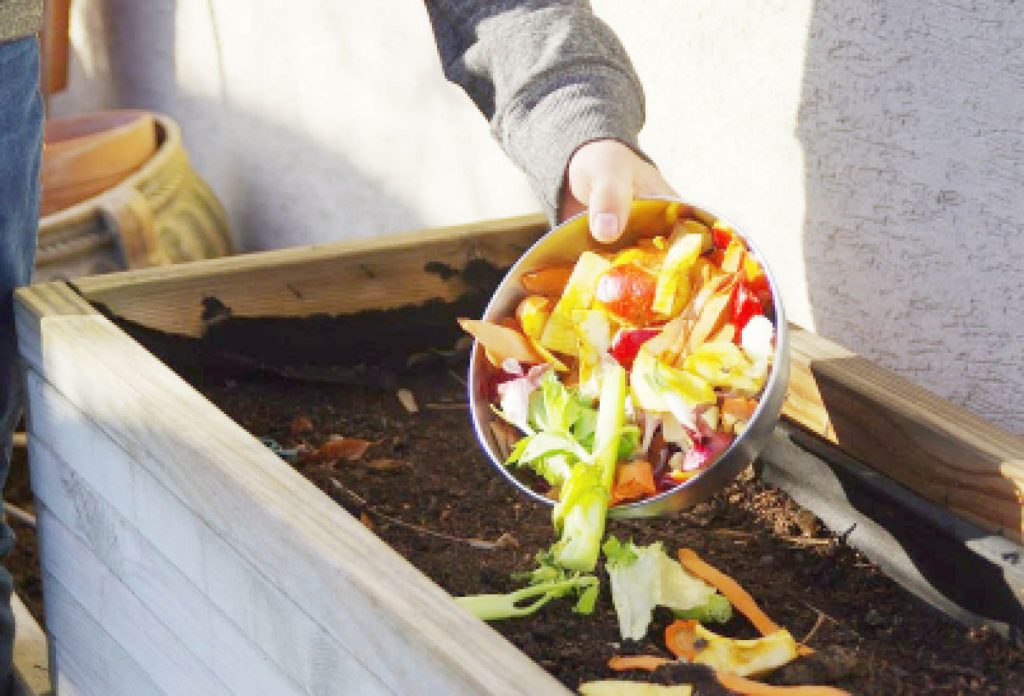
Are you aware that you can make extremely rich soil out of garden scraps and leftover food from your home? Composting is a simple and enjoyable approach to support the environment. Fruit peels, vegetable scraps, and garden clippings can be turned into nutrient-rich soil that supports large, robust plant growth rather than being thrown away.
Composting works because tiny living things, like worms, bugs, and bacteria, break down organic waste into nutrient-rich soil. This soil, called compost, is full of nutrients that plants need, like nitrogen, phosphorus, and potassium. Using compost in gardens, farms, or flower pots can make plants healthier without needing chemical fertilisers. Plus, composting helps reduce the amount of trash that ends up in landfills, which can cause pollution.
You can start composting at home with simple steps. First, choose a small bin or corner of your garden. You can use a compost bin with a lid, a basket, or even a hole in the ground. Next, collect your kitchen scraps, like fruit peels, vegetable scraps, eggshells, and leftover coffee grounds. Garden waste, such as grass clippings, leaves, and small twigs, can also be added. Avoid putting meat, bones, or oily foods in your compost—they can smell bad and attract pests.
The key to good compost is mixing “greens” and “browns”. Greens are wet, soft items like fruit peels, vegetable scraps, and grass clippings. Browns are dry items like leaves, cardboard, and paper. Layering greens and browns and turning the pile regularly helps air get inside, which speeds up the composting process. In a few weeks to months, the pile will shrink and turn into dark, crumbly, earthy-smelling compost.
Composting is not only good for the environment—it’s also a great science experiment for kids! You can watch how worms and microbes work, see how waste changes over time, and learn why soil is so important for plants and animals. You can even decorate your compost bin or keep a compost diary to track its progress.
By composting, you are helping the planet, growing healthier plants, and learning about nature all at once. Every peel, leaf, and scrap counts. So, next time you clean your plate or garden, remember that your waste can become a treasure for the earth. Turn your trash into soil, and watch life grow!
Leave a Comment